Komodo National Park: The Importance of Choosing Responsible Tour Operators – A visit to Komodo National Park is more than a sightseeing experience. The destination protects rare wildlife, coral rich waters, dry forests, savannas, and numerous small islands across a vast marine and terrestrial landscape. UNESCO recognizes the park as a World Heritage property because of its exceptional biodiversity and natural ecosystems.
At the same time, tourism continues to grow around Komodo and Labuan Bajo. More visitors mean more boats, more snorkeling activities, more waste, and greater pressure on popular destinations. Therefore, choosing a responsible tour operator can become an important part of protecting the environment.
Instead of thinking of sustainability as something handled only by park authorities, travelers can contribute through their booking decisions. The operator you choose influences how you move through the park, interact with wildlife, manage waste, and support local communities.
Why Tour Operators Matter in Komodo
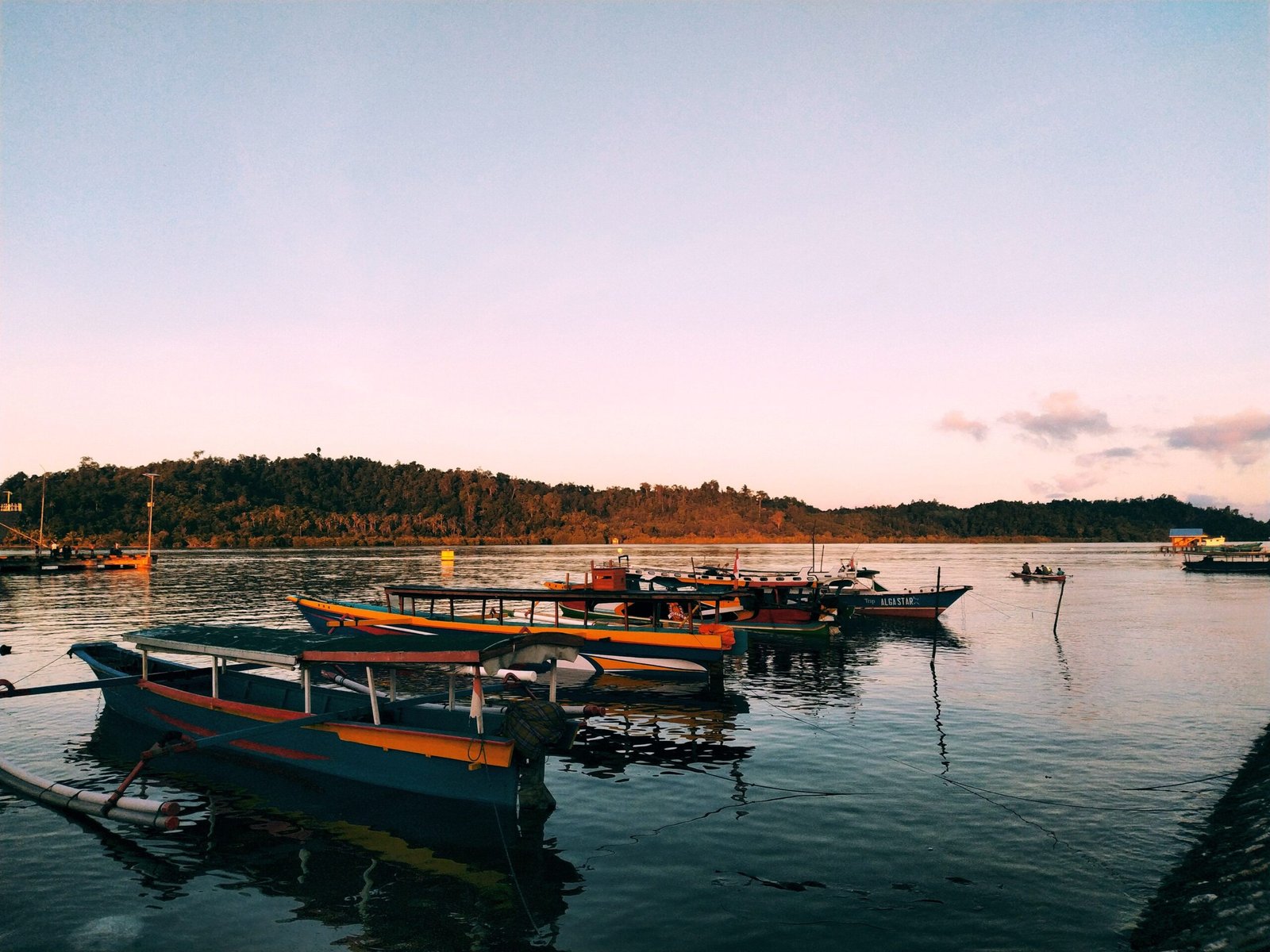
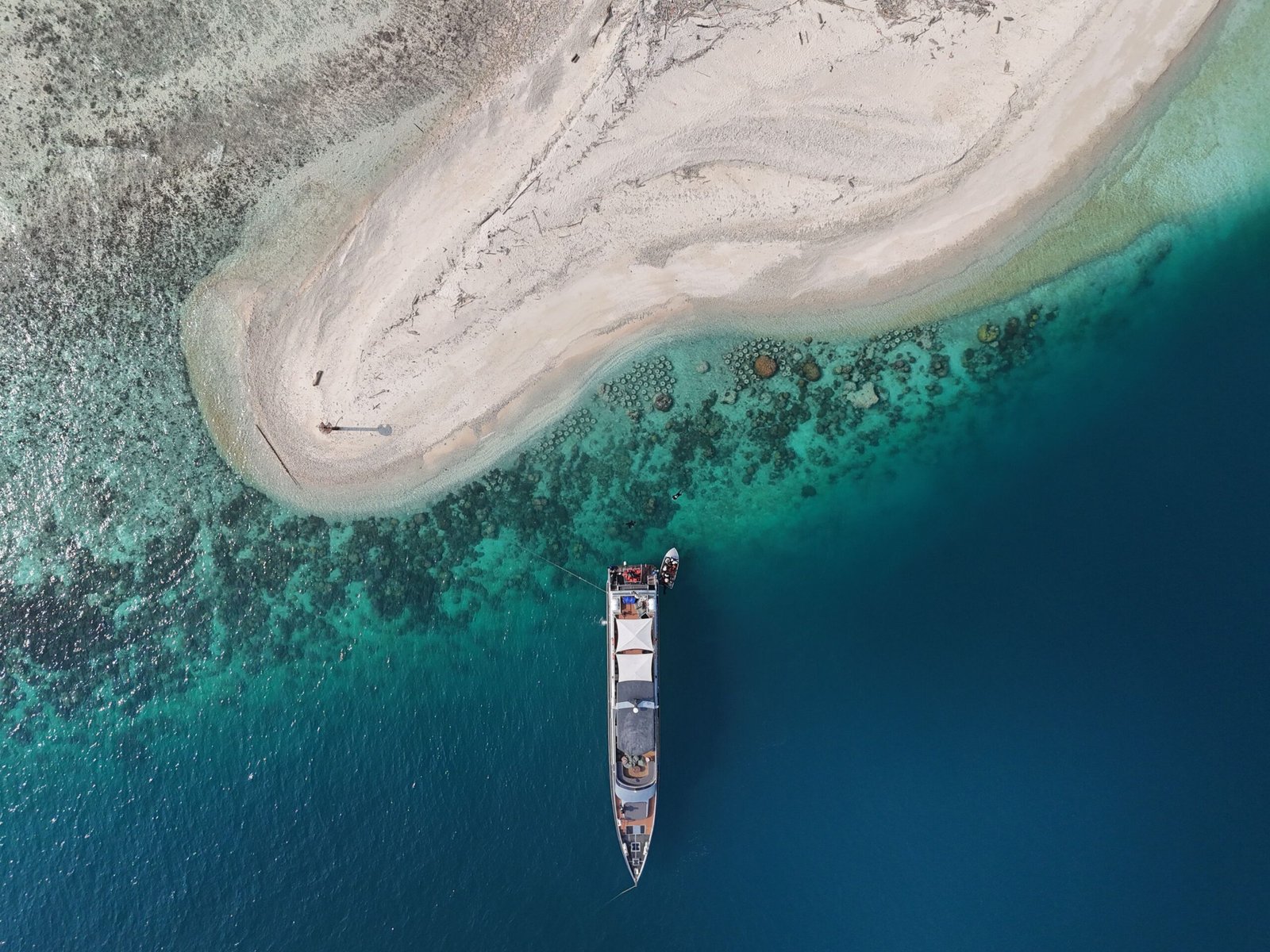
Most visitors explore Komodo National Park by boat. This means tour operators have a direct role in determining how tourism activities affect the surrounding environment.
A responsible operator can make better decisions about routes, anchoring, wildlife encounters, waste management, and snorkeling activities. More importantly, experienced crews can adjust their plans when weather or sea conditions create safety or environmental concerns.
This approach matters because UNESCO has identified increasing tourism and its potential impacts as important management considerations for Komodo National Park. The organization has also called for stronger management of marine tourism, including liveaboard and cruise activities.
Consequently, choosing a responsible company is not simply about having a better travel experience. It can also help reduce unnecessary pressure on the destination.
Read Also: Exploring the Small Islands Around Labuan Bajo Worth Adding to Your Itinerary
Responsible Operators Help Protect Marine Ecosystems
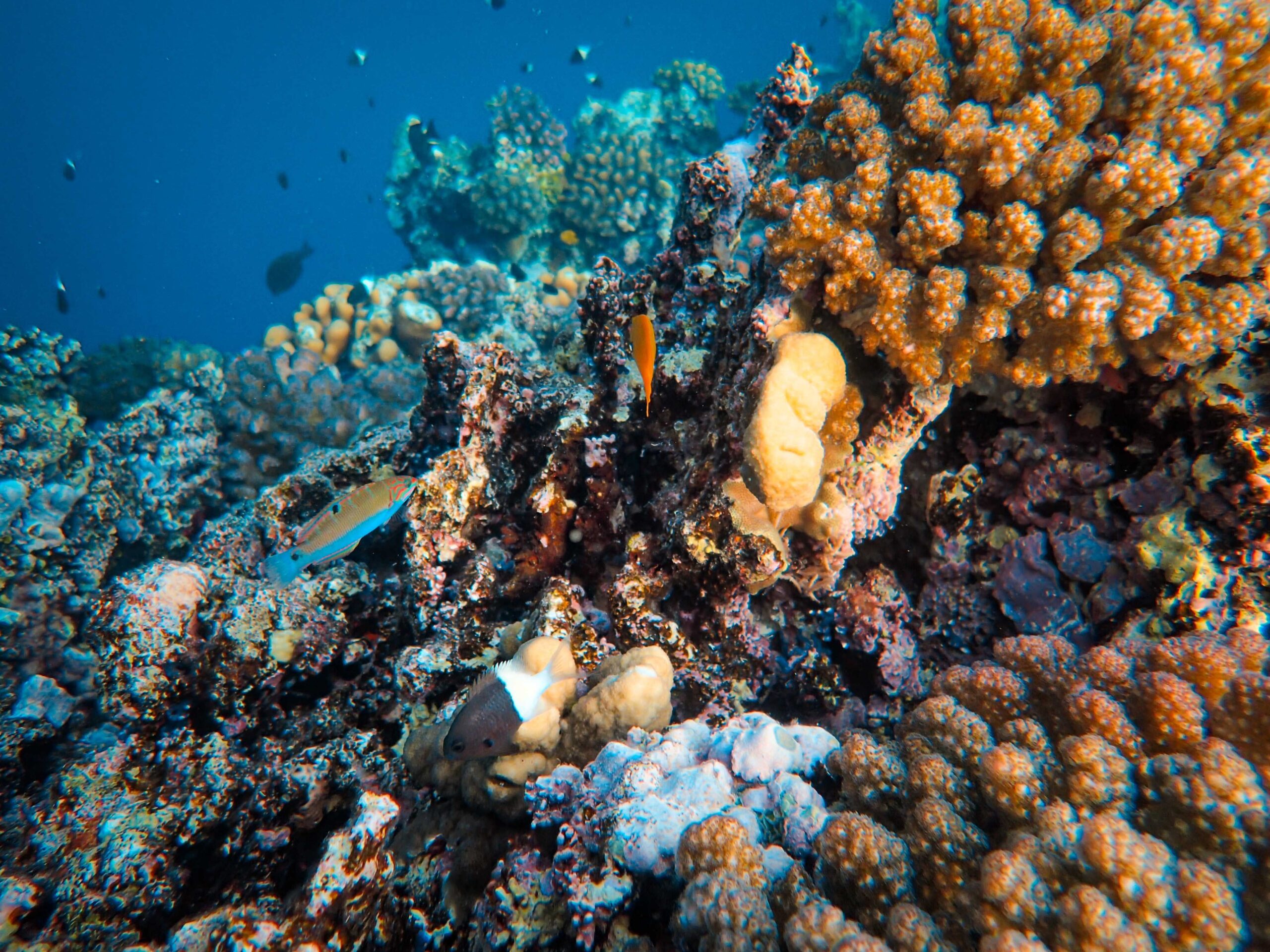
The marine environment represents a major part of Komodo National Park. Coral reefs, fish, turtles, dolphins, dugongs, and other marine species contribute to the park’s exceptional biodiversity. UNESCO notes that approximately 60% of the property is ocean and that marine tourism plays a significant role in the area’s tourism economy.
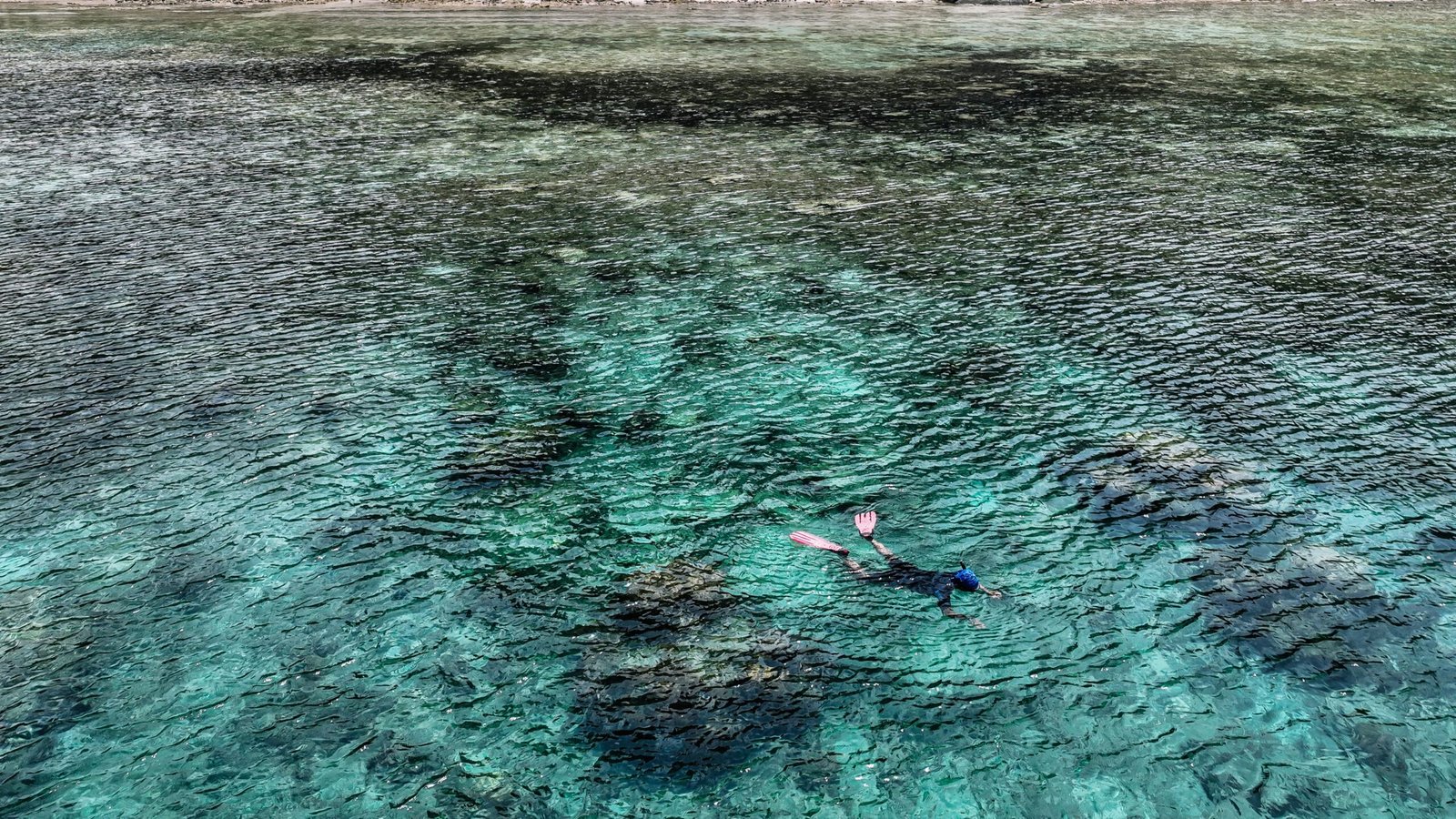
However, marine ecosystems can suffer from careless tourism activities. Poor anchoring practices, physical contact with coral, litter, and irresponsible snorkeling can damage fragile underwater habitats.
A responsible tour operator should therefore understand how to minimize these risks. For example, crews can select appropriate anchoring areas, provide clear snorkeling instructions, and encourage visitors to maintain a safe distance from marine animals.
As a result, travelers can enjoy the underwater environment while creating less disturbance.
Good Operators Teach Visitors About Wildlife
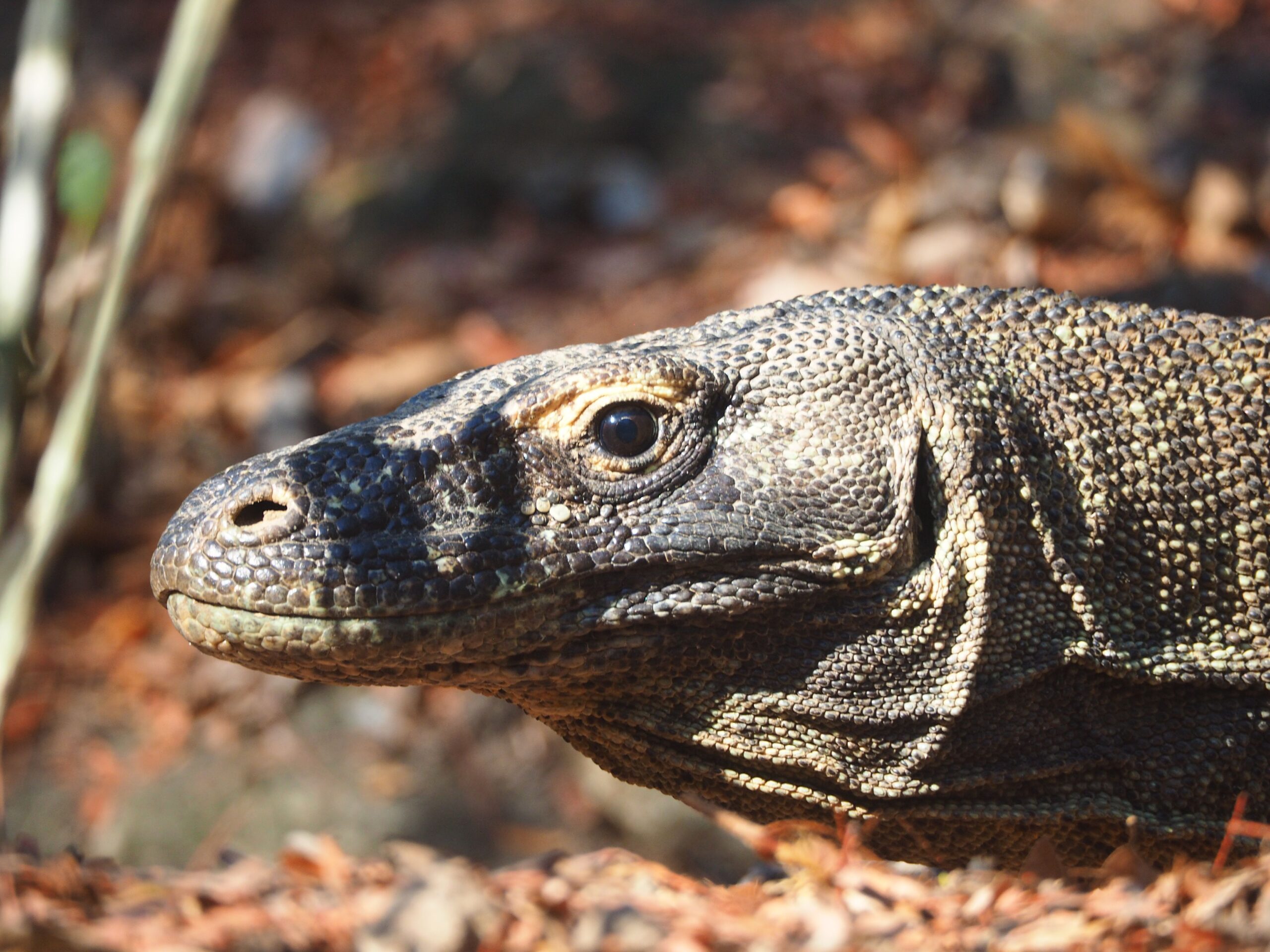
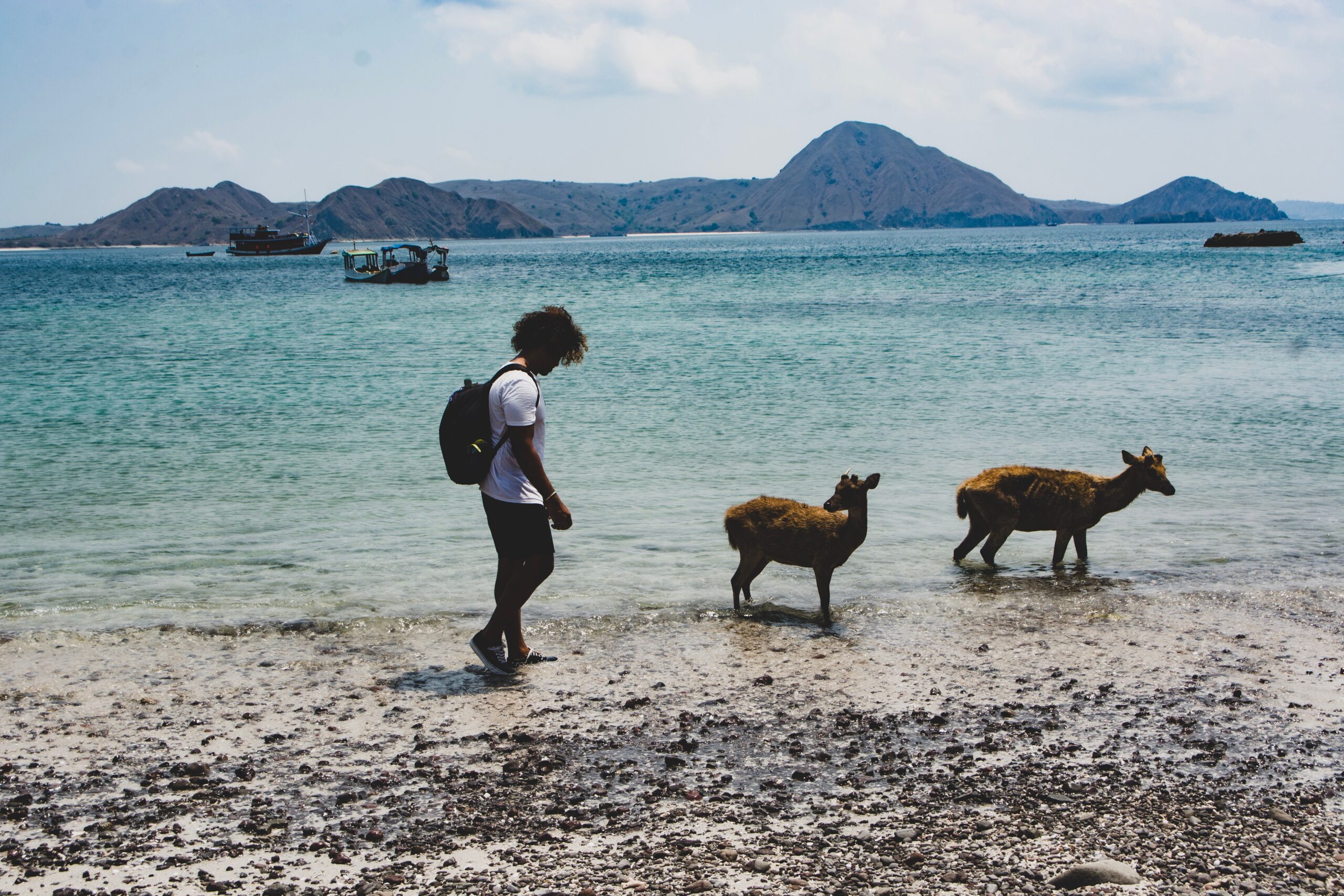
Komodo dragons are the main attraction for many travelers, but visitors need to remember that they are wild animals. A responsible operator should never encourage tourists to approach, feed, chase, or provoke them for photographs.
Instead, trained guides and rangers should explain how visitors can observe wildlife safely. Travelers should follow instructions about where to walk, how close to remain, and how to behave during an encounter.
This approach benefits both people and animals. It allows visitors to observe Komodo dragons in their natural environment without turning wildlife encounters into entertainment that encourages unsafe behavior.
Furthermore, responsible wildlife tourism can help visitors understand why conservation matters. Once travelers recognize that they are entering a protected ecosystem, they are more likely to respect its rules.
Waste Management Makes a Difference
Waste represents another important sustainability issue during an island hopping trip. Plastic bottles, food packaging, disposable containers, and other rubbish can become a problem when travelers visit remote islands.
A responsible operator should have a clear system for collecting and managing waste during the journey. Crews should not leave rubbish behind on beaches or dispose of it carelessly in the sea.
As a traveler, you can support this practice by bringing a reusable water bottle, reducing single use plastic, and keeping your personal rubbish until it can be disposed of properly.
Moreover, ask potential operators how they handle waste before booking. A simple question can reveal whether sustainability is genuinely part of their operations or simply a marketing statement.
Responsible Operators Respect Park Regulations
Komodo National Park uses different zones to manage conservation and human activities. The zoning system helps determine which activities can take place in particular areas and which activities are restricted.
The Integrated Tourism Master Plan for Komodo National Park and Labuan Bajo, for example, identifies marine protection zones where activities such as harvesting are prohibited and emphasizes protecting marine habitats and species.
Therefore, a responsible operator should understand and respect the regulations that apply to each destination.
Instead of trying to find shortcuts around restrictions, reputable operators should explain why certain areas or activities have limitations. This helps protect sensitive environments while giving visitors a better understanding of conservation.
Supporting Local Communities Through Tourism
Sustainability also includes people. Tourism should create opportunities for communities living around Labuan Bajo and the wider Komodo region.
When operators work with local guides, boat crews, accommodation providers, restaurants, and small businesses, tourism spending can circulate within the local economy.
UNESCO has highlighted community involvement and local economic opportunities as important components of sustainable tourism development around Komodo National Park.
Therefore, consider choosing companies that employ local staff and purchase services or products from nearby communities. This can help make tourism more beneficial beyond the visitor experience.
Choose Quality Over the Cheapest Price
Price naturally matters when planning a trip. However, the cheapest tour is not always the most sustainable choice.
An unusually low price may reflect differences in boat maintenance, crew conditions, safety equipment, waste management, or the number of passengers carried. These factors can affect both your comfort and the environmental impact of the trip.
Instead of comparing prices alone, compare what each package includes. Look at the boat, group size, itinerary, crew experience, safety procedures, snorkeling equipment, meals, and environmental practices.
In many cases, paying for a well managed experience can provide better value while supporting businesses that take responsible tourism seriously.
Ask Questions Before Booking
You do not need to be an expert in sustainable tourism to identify a responsible operator. Before booking your Komodo tour package, ask several straightforward questions.
For example:
- How does the company manage waste during the trip?
- Does the crew follow park regulations?
- How does the operator protect coral reefs?
- What instructions do guides provide before wildlife encounters?
- Does the company employ local guides and boat crews?
- What happens if weather or sea conditions become unsafe?
- Does the operator adjust the route when necessary?
The answers can tell you a lot about the company’s priorities.
A responsible operator should be able to explain its practices clearly rather than giving vague promises about being “eco-friendly.”
Responsible Operators Can Improve the Visitor Experience
Sustainability and comfort do not have to compete with each other. In fact, responsible practices can often create a better travel experience.
For example, a knowledgeable guide can explain the behavior of Komodo dragons, identify marine species while snorkeling, and share information about local communities. A well maintained boat can improve comfort and safety while also reducing unnecessary operational problems.
Additionally, responsible operators tend to understand that conditions can change. Rather than forcing the original itinerary, they can adapt the route when waves, currents, or weather make a destination unsuitable.
This flexibility helps protect passengers and the environment at the same time.
Responsible Travel Helps Reduce Tourism Pressure
Komodo National Park faces a challenge familiar to many popular natural destinations: how to welcome visitors without allowing tourism to damage the very environment people come to see.
UNESCO has specifically encouraged a sustainable, high quality approach to tourism in Komodo rather than uncontrolled growth, while also emphasizing monitoring and management of tourism pressure.
Tour operators influence this process because they determine how visitors move through the destination. Operators that spread activities responsibly, respect capacity limits, follow designated routes, and avoid environmentally sensitive areas can help reduce concentrated pressure.
As a traveler, your booking decision can therefore encourage better practices across the tourism industry.
Look Beyond the “Eco-Friendly” Label
Not every company using words such as “green,” “eco,” or “sustainable” necessarily follows strong environmental practices. Therefore, look for specific actions rather than relying on labels.
A responsible operator should be able to explain how it handles waste, wildlife encounters, marine activities, local employment, and safety.
You can also check recent reviews from other travelers. Look for comments about the crew’s behavior, respect for wildlife, cleanliness of the boat, and how the company responded to changing conditions.
This research takes only a few minutes but can help you make a more informed decision.
Read Also: Understanding Weather and Sea Conditions Before Your Komodo Adventure
Your Choices Matter After Booking
Choosing a responsible operator is an important first step, but your own behavior still matters. Listen to your guide, stay on designated paths, avoid touching coral, never feed wildlife, and take your rubbish with you.
When snorkeling, keep your fins away from coral and maintain enough distance from marine animals. On land, avoid taking shells, rocks, plants, or other natural objects as souvenirs.
Furthermore, respect local communities and ask permission before photographing people when appropriate.
These simple actions complement the work of responsible tour operators.