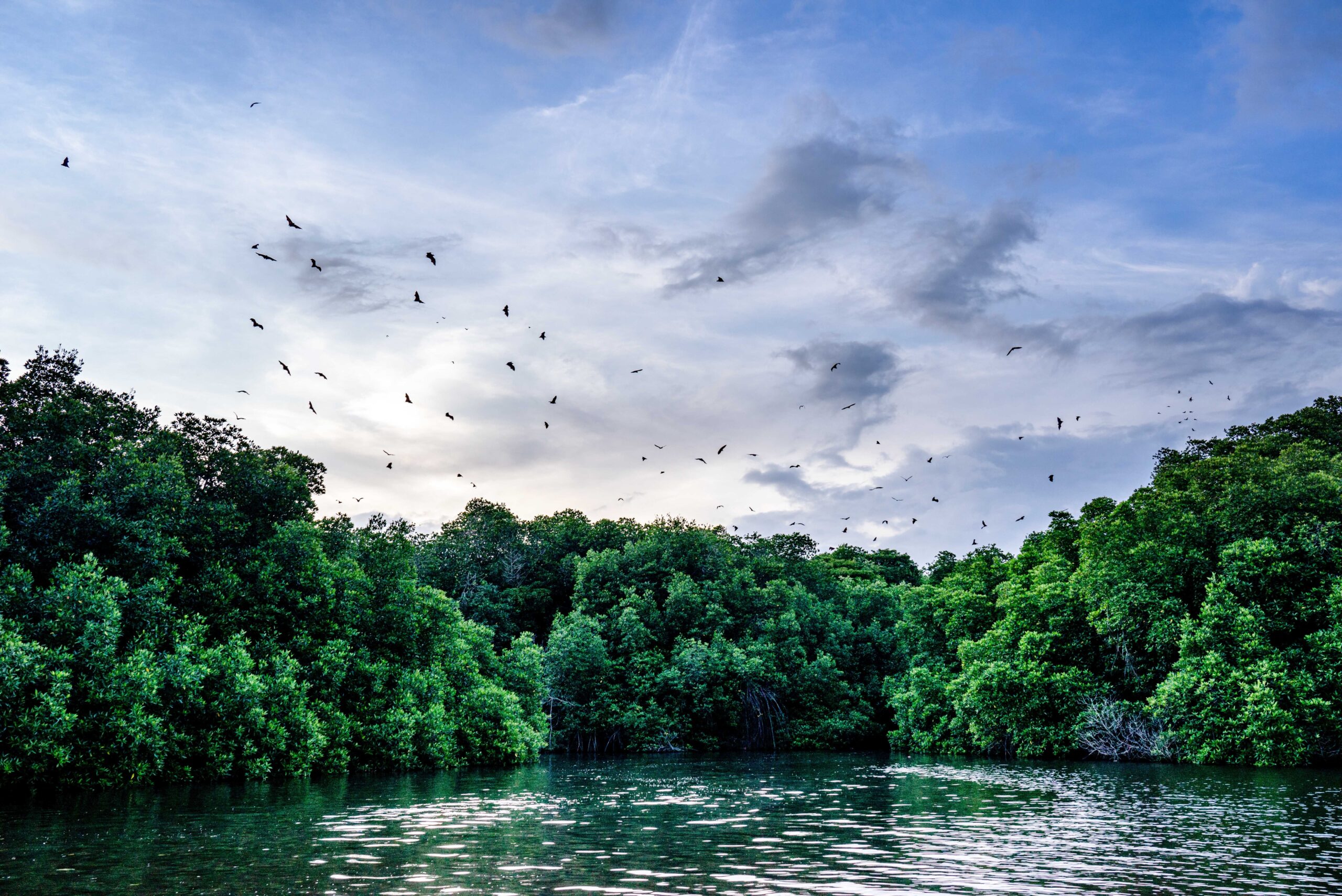
Why Kalong Island Is More Than Just a Sunset Destination – Many travelers associate Kalong Island with one unforgettable scene: hundreds, if not thousands, of flying foxes leaving the mangrove covered island at sunset. The sight of these large fruit bats crossing the colorful evening sky has become one of the most memorable experiences around Komodo National Park.
However, reducing Kalong Island to a sunset stop overlooks what makes the destination interesting. Its mangrove ecosystem, wildlife, location, and peaceful surroundings all contribute to a broader experience. Rather than simply waiting for sunset, travelers can use the visit to understand another side of the natural environment surrounding Komodo.
If your itinerary includes Kalong Island, take a moment to appreciate the destination beyond the famous photograph.
A Unique Part of the Komodo Landscape
The Mangrove Habitat Matters
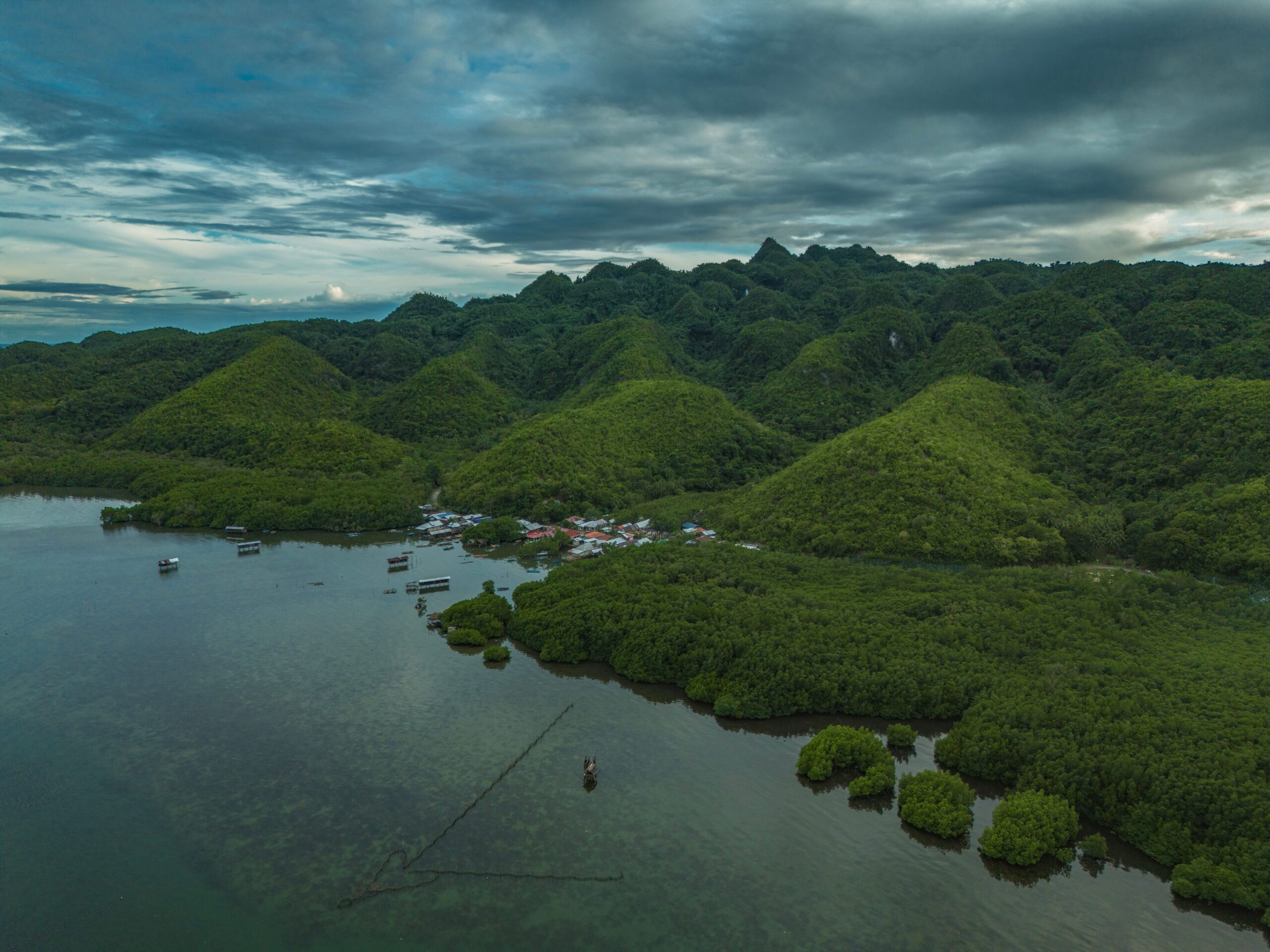
One of the most interesting aspects of Kalong Island is its mangrove environment. Mangrove forests grow in coastal areas where land meets seawater, creating a habitat that supports a variety of plants and animals.
These ecosystems can provide shelter for juvenile marine species and contribute to coastal stability. They also form an important part of tropical coastal landscapes.
Therefore, when you visit Kalong Island, do not focus only on what appears above the water. The mangroves themselves are part of the reason the area supports such interesting wildlife.
This perspective can make the experience more meaningful. Instead of viewing the island simply as a backdrop for sunset photographs, you can appreciate it as part of a functioning coastal ecosystem.
The Flying Foxes Are the Main Attraction
Of course, the flying foxes remain the biggest reason travelers visit Kalong Island.
As daylight begins to fade, large groups of flying foxes can leave their roosts and fly across the sky. Their silhouettes against the evening colors create a dramatic natural spectacle.
Unlike a wildlife encounter on land, this experience does not require visitors to walk through a forest or approach the animals closely. Travelers normally observe the bats from their boat, allowing the animals to continue their natural behavior without direct interaction.
However, the exact number of bats and timing of their departure can vary. Wildlife does not follow a fixed schedule simply because visitors have arrived.
For this reason, approach the experience with realistic expectations. You may see a spectacular group of flying foxes, but sightings and timing remain dependent on natural conditions.
Read Also: The Biggest Mistakes Travelers Make When Visiting Komodo National Park
Why Flying Foxes Matter to the Ecosystem
The flying foxes are more than an interesting visual attraction. As fruit-eating bats, they can contribute to natural ecological processes such as seed dispersal and pollination.
This role connects wildlife with the vegetation around them. When animals move between different areas while feeding, they can help transport seeds and pollen through the ecosystem.
Therefore, observing flying foxes provides a useful reminder that wildlife tourism should focus on animals behaving naturally rather than treating them as performers.
The more visitors understand this relationship, the easier it becomes to appreciate why protecting their habitat matters.
A Different Experience From Other Komodo Destinations
Kalong Island also stands out because it offers a completely different experience from many famous destinations in the region.
Padar Island attracts visitors with its dramatic hilltop views. Pink Beach is known for its unusual shoreline and marine activities. Komodo and Rinca islands provide opportunities to observe Komodo dragons with trained rangers.
Kalong, on the other hand, centers around an evening wildlife spectacle.
This variety can make an island-hopping itinerary more interesting. Rather than spending the entire day repeating similar beach and snorkeling activities, you can finish with an experience that focuses on wildlife and the changing evening landscape.
A Relaxed Stop After a Busy Day
Another advantage of Kalong Island is the relatively relaxed nature of the experience.
After spending hours hiking, swimming, or snorkeling, travelers may appreciate an activity that does not require strenuous physical effort. You can remain on the boat, enjoy the surrounding scenery, and wait for the flying foxes to appear.
Furthermore, the transition from daylight to evening creates a natural pause in your itinerary.
Instead of rushing immediately from one attraction to another, you can slow down and enjoy the final part of the day.
Sunset Adds Another Layer to the Experience
Although Kalong Island offers more than a sunset, the evening light remains an important part of its appeal.
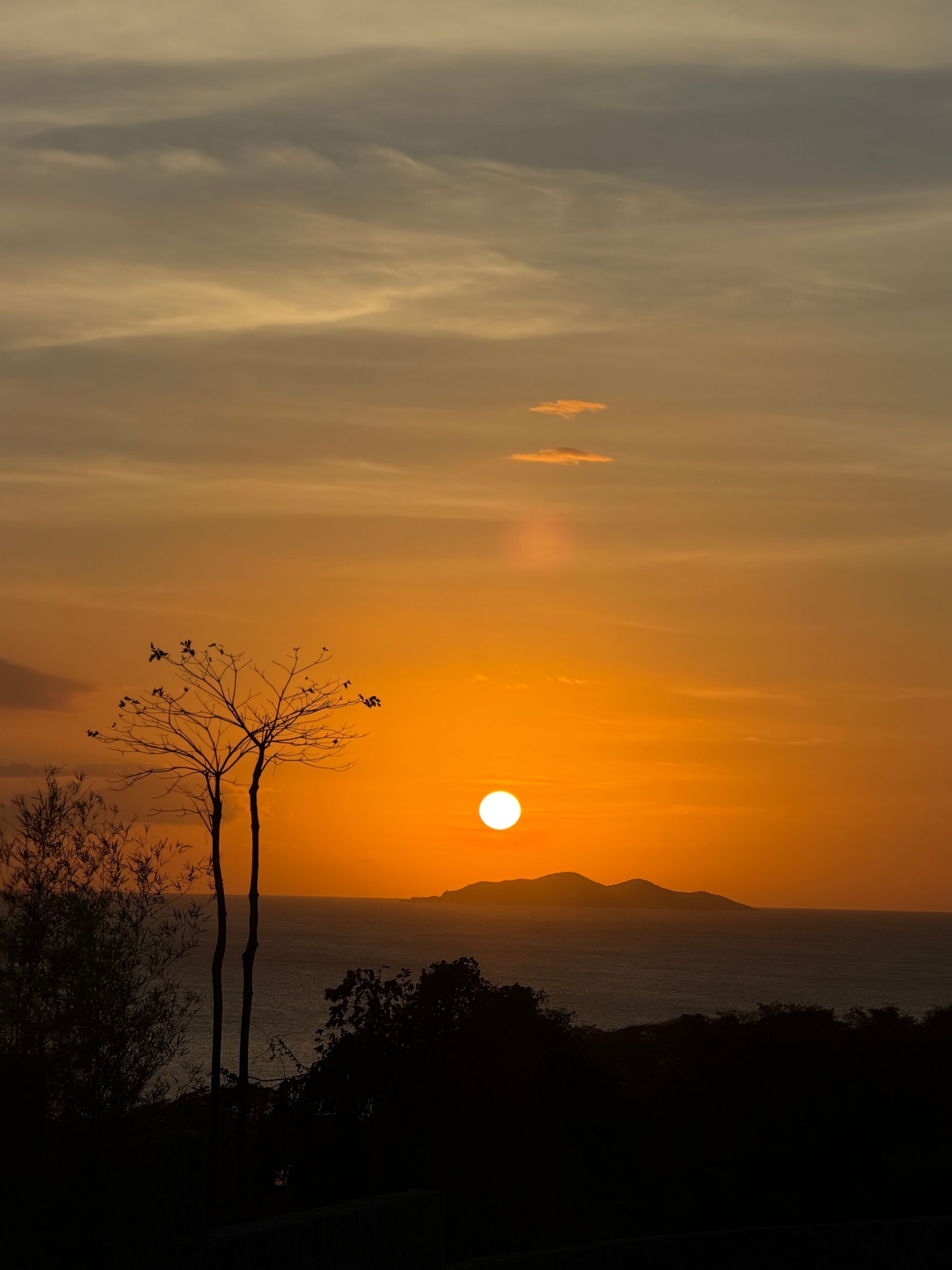
As the sun moves toward the horizon, the surrounding sea and islands can take on warmer tones. At the same time, the flying foxes begin crossing the sky.
The combination of wildlife, water, mangroves, and changing light creates a scene that feels different from a conventional beach sunset.
Therefore, bring your camera if photography interests you, but remember to put it down occasionally and simply observe the landscape.
You Usually Watch From the Boat
Kalong Island is particularly convenient for travelers who prefer not to hike.
Visitors generally observe the flying foxes from boats positioned around the island. This means you can experience the spectacle without climbing a steep hill or walking across difficult terrain.
For families, older travelers, or visitors who have already completed a demanding day of activities, this can provide a comfortable way to experience another part of Komodo’s natural environment.
However, remain seated or follow the crew’s instructions while the boat positions itself for viewing. Water conditions can change, and safety should always come first.
Do Not Expect a Guaranteed Wildlife Show
One important thing to remember is that Kalong Island remains a natural environment.
Flying foxes may leave the island at different times, and their behavior can change depending on environmental conditions. You should therefore avoid thinking of the experience as a scheduled performance.
Instead, treat the sighting as an opportunity to observe wildlife in its natural habitat.
If the animals appear later than expected, remain patient. If fewer animals appear than you hoped to see, appreciate the experience without disturbing them.
This mindset supports a more responsible approach to wildlife tourism.
Respect the Wildlife and Its Habitat
Responsible behavior is particularly important when visiting wildlife destinations.
Do not attempt to approach the flying foxes, make loud noises to attract them, or throw objects into the water or toward the mangroves. Avoid using bright lights directly on the animals unless your guide specifically permits it.
Most importantly, do not leave plastic bottles, food packaging, or other waste behind.
Your visit should have as little impact as possible on the animals and their habitat.
Combine Kalong With Other Destinations
Kalong Island works especially well when combined with other destinations around Labuan Bajo.
For example, you can spend the earlier part of the day snorkeling, exploring beaches, or visiting a viewpoint before heading toward Kalong in the late afternoon.
This structure creates a natural progression:
- Morning: Explore islands or snorkeling locations
- Afternoon: Continue with beaches or marine activities
- Late afternoon: Travel toward Kalong Island
- Evening: Watch the flying foxes and sunset from the boat
- Your actual route will depend on your boat, weather, sea conditions, and tour operator.
Therefore, ask your operator whether Kalong fits naturally into your planned itinerary rather than trying to force the destination into an already crowded schedule.
Read Also: Internet, SIM Cards, and Mobile Signal in Labuan Bajo: What to Expect
Check the Weather and Sea Conditions
Boat travel remains an important consideration. Wind, waves, tides, and currents can influence the route and timing of your visit.
A responsible operator may change the schedule if conditions become unsafe. For this reason, do not assume that the itinerary will always follow the exact order shown during booking.
Instead, remain flexible and follow your crew’s recommendations.
If you are booking a Komodo tour package, ask whether Kalong Island is included and how long the boat normally stays in the area.
Why Add Kalong Island to Your Itinerary?
Kalong Island can add a different type of experience to a Komodo adventure. You are not simply visiting another beach or climbing another hill. Instead, you are observing wildlife, mangrove habitat, coastal scenery, and the transition from day to night.
This variety makes the destination particularly useful for travelers who want more than the standard highlights.
Moreover, the experience requires relatively little physical effort, making it an accessible addition for many different types of travelers.
Final Thoughts
Kalong Island deserves more attention than simply being labeled a sunset destination. Its mangrove habitat, flying fox population, coastal setting, and relaxed boat based viewing experience make it a distinctive stop around Komodo National Park.
The evening spectacle remains the highlight, but understanding the ecosystem behind it can make your visit more meaningful. Instead of arriving only to take photographs, take time to observe the mangroves, appreciate the wildlife, and understand why protecting the surrounding environment matters.
When included thoughtfully in an island hopping route, Kalong Island can provide a memorable final chapter to your day. Adding it to your Day trip Komodo itinerary can give your journey a different experience beyond beaches and snorkeling. With responsible behavior, realistic expectations, and respect for wildlife, you can enjoy this remarkable destination while helping preserve its natural character for future travelers.