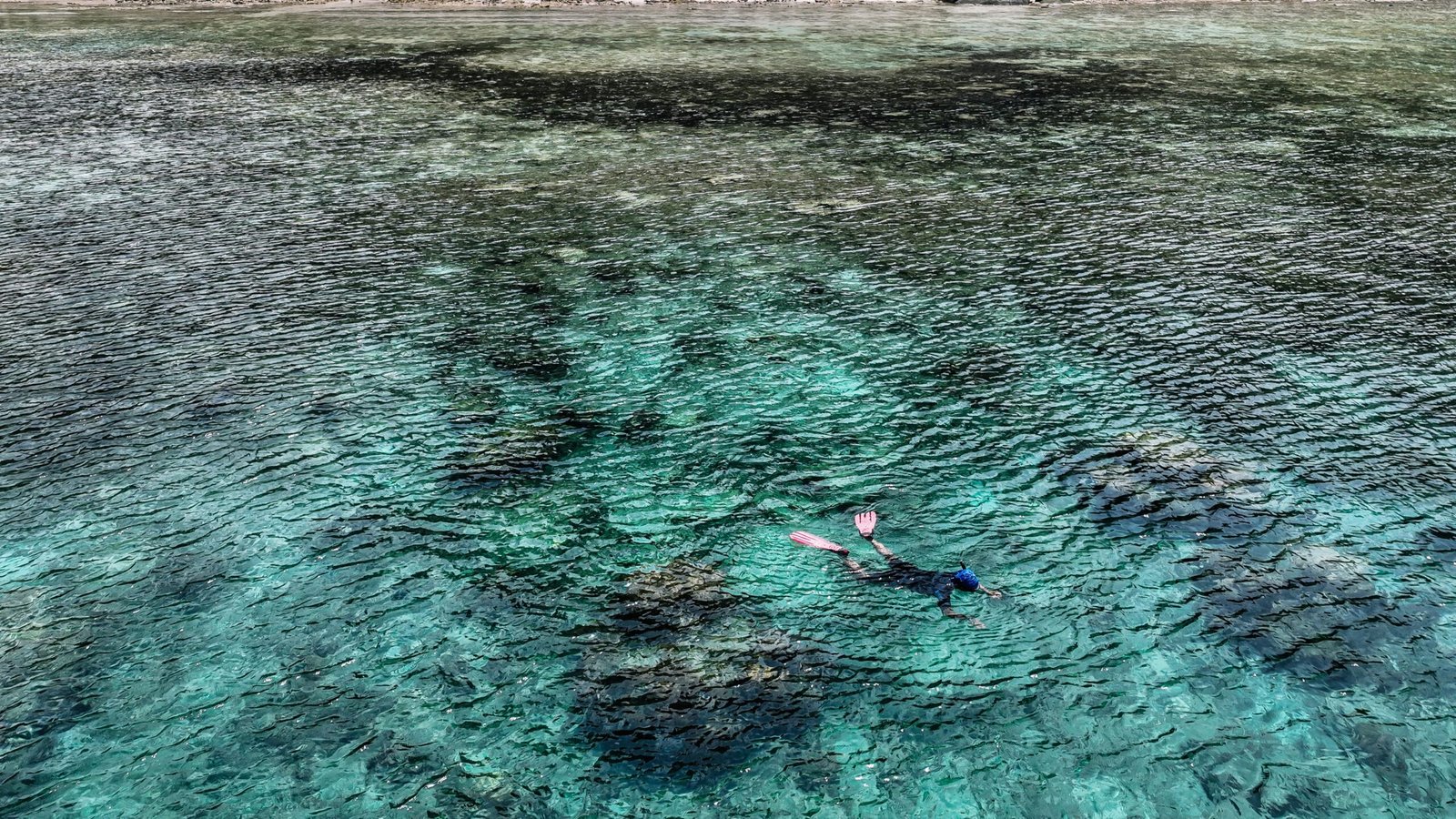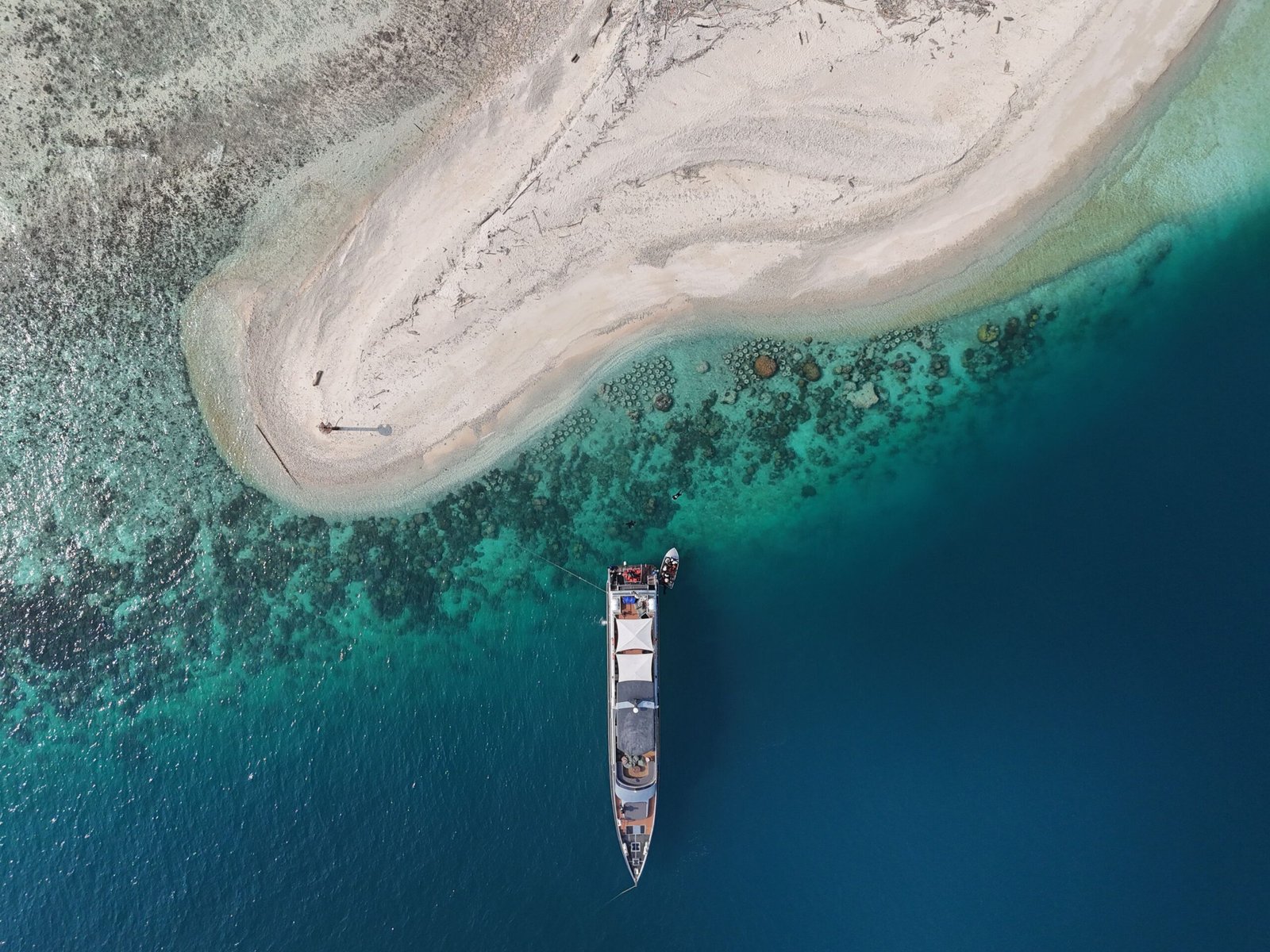

Why Reef-Safe Sunscreen Matters in Komodo National Park – A trip to Komodo National Park offers more than the chance to see Komodo dragons. Beneath the clear tropical waters, travelers can discover colorful coral reefs, seagrass habitats, tropical fish, sea turtles, and other marine species. These underwater ecosystems form an important part of the park’s natural environment and contribute to the region’s appeal as a destination for sustainable tourism.
However, visitors should also consider how everyday travel products can affect the ocean. Sunscreen protects your skin from strong ultraviolet radiation, but some sunscreen ingredients can enter marine environments when swimmers enter the water. Research has linked certain UV filters with harmful effects on corals and other aquatic organisms.
For this reason, choosing a more reef-conscious sunscreen and reducing the amount of product that reaches the sea can become an important part of responsible travel. Whether you are joining a snorkeling trip, swimming at a secluded beach, or following a Day Trip Komodo itinerary, small decisions can help reduce your environmental impact.
Why Coral Reefs Matter in Komodo National Park
Coral reefs are home to an incredible diversity of marine species. The official Komodo National Park website describes coral reefs as complex ecosystems that support fish, invertebrates, sea turtles, sea snakes, and many other organisms.
Moreover, Komodo National Park contains extensive marine areas alongside its islands. The park’s management emphasizes the protection of biodiversity and the sustainable use of natural resources through ecotourism.
Therefore, protecting coral reefs does not simply mean preserving beautiful underwater scenery. Healthy reefs contribute to a much larger marine ecosystem that supports countless species.
When travelers take steps to reduce pollution and avoid damaging coral, they contribute to the long-term health of the destination.

How Can Sunscreen Affect the Ocean?
Sunscreen does not necessarily remain on your skin after you enter the water. Some of the product can wash off and enter surrounding waterways and marine environments.
Scientists have identified concerns surrounding certain sunscreen ingredients. NOAA, for example, reports research linking oxybenzone and other compounds with effects such as coral bleaching, DNA damage, abnormal development, and harm to young coral. At the same time, NOAA notes that scientists are still studying the environmental effects of different sunscreen ingredients.
Because of this, travelers should avoid assuming that every sunscreen has the same environmental impact.
Instead, check the active ingredients and consider products designed with marine environments in mind.
Read Also: Menjerite: A Beautiful Snorkeling Escape Near Labuan Bajo
What Does “Reef-Safe” Sunscreen Mean?
The term reef-safe sunscreen sounds straightforward, but it does not have one universal definition or guarantee that a product has zero environmental impact.
Consequently, do not rely only on marketing language printed on the packaging. Look at the ingredient list and research the product before purchasing it.
Some organizations recommend avoiding ingredients such as oxybenzone and octinoxate because of concerns about their effects on coral reefs. The Coral Reef Alliance also recommends considering non-nano mineral-based sunscreen and using sun-protective clothing as another way to reduce sunscreen use.
However, sunscreen ingredients can behave differently in marine environments, and scientific research continues to develop. Therefore, the safest approach involves combining thoughtful product selection with physical sun protection.
Consider Mineral-Based Sunscreen
If you want to make a more environmentally conscious choice, consider a mineral sunscreen based on ingredients such as zinc oxide or titanium dioxide.
NOAA identifies mineral sunscreen as an option that may have fewer effects on aquatic organisms than some chemical UV filters.
Nevertheless, pay attention to the specific formulation. Some environmental guidance recommends choosing non-nano mineral products rather than assuming every product containing zinc oxide or titanium dioxide automatically has the same environmental profile.
Most importantly, read the ingredient list and follow the product’s application instructions.
Reduce Sunscreen Use With Sun-Protective Clothing
Choosing a more marine-conscious sunscreen is only one part of the solution. You can also reduce the amount of sunscreen that enters the ocean by covering your skin.
For example, wear a lightweight rash guard, long-sleeved swim shirt, hat, and sunglasses when appropriate. These items can provide physical protection while reducing your dependence on sunscreen.
NOAA specifically recommends UPF clothing, seeking shade, and choosing sunscreen ingredients that are less harmful to marine life as ways to reduce pressure on coral ecosystems.
As a result, you can protect your skin while also taking a more responsible approach to marine tourism.
Apply Sunscreen Before Your Boat Trip
Timing can also help reduce the amount of sunscreen that immediately washes into the sea.
Apply sunscreen before you leave for your snorkeling destination and give the product enough time to absorb according to its instructions. Avoid applying large amounts immediately before jumping into the water.
You should still reapply sunscreen as recommended for effective sun protection, particularly after swimming or sweating. However, combining sunscreen with protective clothing and shade can reduce the amount of product you need throughout the day.
This approach works particularly well during a Komodo tour package, where travelers often spend several hours outdoors.
Avoid Spraying Sunscreen Near the Water
Spray products can make application convenient, but they can also spread beyond your skin.
When you apply sunscreen on a boat, beach, or jetty, try to avoid spraying it directly toward the water or surrounding surfaces. Apply it carefully and make sure the product stays on your skin rather than becoming unnecessary environmental waste.
Using a lotion or cream can also make it easier to control where you apply the product.
Small habits like this can make your beach and snorkeling routine more environmentally responsible.
Choose Responsible Travel Products
Sunscreen is not the only personal care product that can enter marine environments. Shampoo, body wash, cosmetics, and other products can also contribute to pollution when they wash into waterways.
Therefore, think about your entire travel routine rather than focusing on one product. When possible, choose products with environmentally considerate formulations and avoid unnecessary personal-care products before entering the ocean.
Additionally, bring reusable containers and minimize single use packaging. These choices can reduce the amount of waste associated with your trip.

Follow Responsible Snorkeling Practices
Your sunscreen choice becomes even more meaningful when you combine it with responsible behavior in the waters of Komodo National Park.
Never stand on coral or use the reef to support yourself. Keep your fins away from fragile coral formations and maintain a comfortable distance from marine animals. When snorkeling or diving in Komodo National Park, being mindful of your movements can help minimize accidental damage to delicate reef ecosystems.
NOAA identifies physical contact, such as standing on coral while snorkeling or diving, as a direct source of reef damage.
Similarly, do not chase or touch sea turtles, fish, or other wildlife in Komodo National Park. Observe them from a respectful distance and allow them to move naturally.
By combining reef-conscious products with responsible snorkeling practices, you can reduce several potential sources of impact while enjoying the remarkable marine environment of Komodo National Park.
Read Also: Labuan Bajo to Komodo National Park: Travel Time
Support Sustainable Komodo Tourism
Komodo National Park aims to protect biodiversity while developing sustainable ecotourism. Its management objectives include conserving ecosystems and supporting nature based tourism without compromising environmental sustainability.
Travelers can support these goals through their own choices.
For example, choose tour operators that explain environmental rules, manage waste responsibly, and encourage guests to respect marine life. Ask questions about snorkeling practices and follow your guide’s instructions throughout the trip.
A responsible Komodo tour package should not focus only on taking visitors to beautiful locations. It should also encourage them to protect those places.
Protect Your Skin and the Sea at the Same Time
Sunscreen remains an important part of protecting yourself from excessive UV exposure during a tropical holiday in Komodo National Park. The goal is not to stop using sun protection. Instead, you can make more informed choices about the products you use and how you apply them.
Choose a sunscreen with ingredients you are comfortable using around marine environments, consider non-nano mineral options, wear UPF clothing, seek shade when possible, and avoid unnecessary products before entering the water around Komodo National Park.
At the same time, remember that sunscreen represents only one part of reef conservation in Komodo National Park. Avoid touching coral, reduce plastic waste, respect marine wildlife, and follow the instructions provided by local guides and park authorities.
Make Every Komodo Trip More Sustainable
A visit to Komodo National Park gives travelers the opportunity to experience extraordinary marine ecosystems up close. That experience also creates a responsibility to minimize our impact.
Choosing reef conscious sunscreen may seem like a small decision, but it forms part of a larger approach to sustainable travel. When you combine thoughtful product choices with responsible snorkeling and respect for conservation rules, you help protect the environment that makes Komodo so special.
So, before your next snorkeling adventure, check your sunscreen, pack your sun protective clothing, and prepare to explore responsibly. Whether you are enjoying a short Day Trip Komodo itinerary or spending several days sailing through the national park, remember that the best souvenir is a beautiful memory not a damaged reef.