How to Photograph Wildlife Responsibly in Komodo – Wildlife photography lets travelers capture unforgettable moments on their journey. In Komodo National Park, visitors may encounter Komodo dragons, tropical birds, marine life, and other fascinating animals in their natural habitats. However, getting a memorable photograph should never come at the expense of wildlife safety or environmental protection.
Every photograph begins with a choice. Travelers can either observe animals patiently from a respectful distance or move closer to achieve a particular shot. Although the second option might seem tempting, approaching wildlife can cause unnecessary stress and interfere with natural behavior. The National Park Service recommends maintaining a safe distance and using camera zoom or binoculars instead of approaching animals.
Therefore, responsible photography involves more than choosing the right camera settings. It requires patience, awareness, and respect for the environment. Whether you are following a Day Trip Komodo itinerary or exploring the region on a longer adventure, these practices can help you capture meaningful images while supporting sustainable tourism.
Keep a Respectful Distance From Wildlife
Maintaining an appropriate distance is one of the most important principles of wildlife photography. Animals need space to move, find food, rest, and interact with their surroundings without unnecessary human interference.
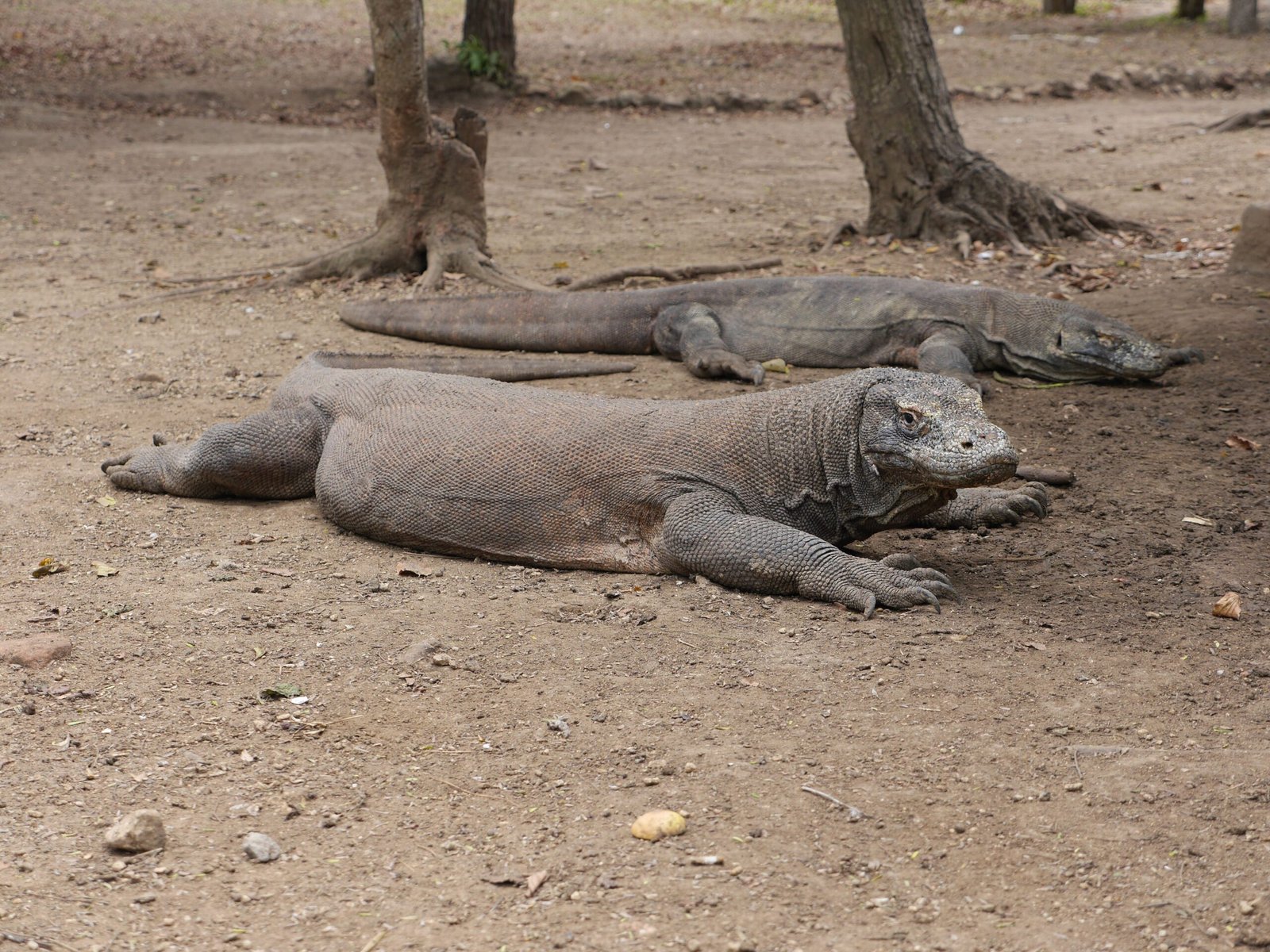
In Komodo National Park, visitors may have the opportunity to observe Komodo dragons in their natural habitat. However, these animals are wild and can behave unpredictably. Always follow your ranger’s instructions and the park’s visitor rules when observing or photographing them.
Instead of approaching an animal for a close-up, use your camera’s optical zoom or a telephoto lens. These tools allow you to capture details without moving closer than the permitted distance.
Furthermore, pay attention to the animal’s behavior. If it changes direction, stops its activity, repeatedly watches you, or moves away after noticing your presence, give it more space. A photograph is never worth causing unnecessary disturbance.
Let Animals Behave Naturally
A meaningful wildlife photograph captures an animal behaving naturally rather than reacting to a photographer.
For example, you might photograph a bird searching for food, a Komodo dragon walking along a trail, or a marine animal swimming through the water. These moments can create compelling images without requiring you to interfere.
To achieve this, find a suitable observation point and wait quietly. Avoid chasing animals, blocking their paths, or making sudden movements to attract their attention.
In addition, never feed wildlife to encourage a particular pose or bring an animal closer to your camera. Human food can interfere with natural feeding behavior, and repeated interactions may cause animals to associate people with food. Komodo National Park’s official guidance prohibits feeding or otherwise disturbing wildlife.
Ultimately, patience often produces more authentic photographs than attempts to control an animal’s behavior.
Read Also: Seraya Island: Explore a Tranquil Tropical Retreat Near Labuan Bajo
Follow Your Guide’s Instructions
Local guides and park rangers play an important role in responsible wildlife encounters. They help visitors navigate designated routes, understand safety requirements, and observe animals without unnecessary risks.
During your visit, listen carefully to their instructions before taking photographs. If a ranger asks your group to remain in a particular area or move away from an animal, follow that direction immediately.
Moreover, avoid treating photography as a reason to ignore safety guidance. Do not leave designated trails, approach restricted areas, or position yourself where you could obstruct other visitors or wildlife.
This approach becomes especially important when photographing Komodo dragons. Their size and appearance may encourage visitors to seek dramatic close-up shots, but a safe observation distance and professional guidance should always take priority.
Capture Wildlife Without Getting Too Close
Photographers sometimes move closer because they want sharper details or a tighter composition. However, you can often improve your images by adjusting your equipment rather than changing your position.
Start by learning how to use your camera’s optical zoom, autofocus, and continuous shooting mode. If you use a smartphone, explore its available zoom and focus controls before your wildlife encounter.
You can also improve your composition by observing the surrounding environment. Trees, rocks, coastal vegetation, and natural light can provide context that makes a photograph more interesting.
Additionally, consider carrying binoculars if you want to observe distant animals before photographing them. The National Park Service recommends binoculars, spotting scopes, and zoom lenses as practical tools for viewing wildlife while maintaining distance.
By preparing your equipment in advance, you can spend less time adjusting settings during an encounter and more time observing the animal.
Avoid Loud Noises and Sudden Movements
Wild animals respond to their surroundings, including sounds and movement. Loud conversations, shouting, sudden gestures, or repeated attempts to attract attention can interrupt their normal activities.
Therefore, keep your voice low when observing wildlife and move calmly through the area. If you are traveling with friends or family, remind everyone to avoid crowding around an animal.
Likewise, turn off unnecessary camera sounds when possible, provided doing so does not interfere with safety instructions. Avoid using flash if it could disturb an animal or if local rules prohibit it.
The goal is simple: allow wildlife to continue its natural behavior without feeling pressured by your presence. A quiet observation experience also helps other visitors appreciate the encounter.
Never Put Wildlife in Danger for a Photograph
Some photographs require patience, but no image justifies creating a dangerous situation. Avoid standing in an animal’s path, approaching nests or resting areas, or attempting to make wildlife react for dramatic footage.
You should also avoid touching, chasing, cornering, or attempting to handle wild animals. These actions can cause stress and may place both visitors and wildlife at risk.
When an animal approaches your position, do not assume that it wants to interact with you. Follow your guide’s instructions and create more space whenever necessary.
Similarly, never encourage another visitor to break park rules for a better picture. Responsible photographers recognize that protecting the subject matters more than achieving a particular composition.
Practice Responsible Photography During Snorkeling
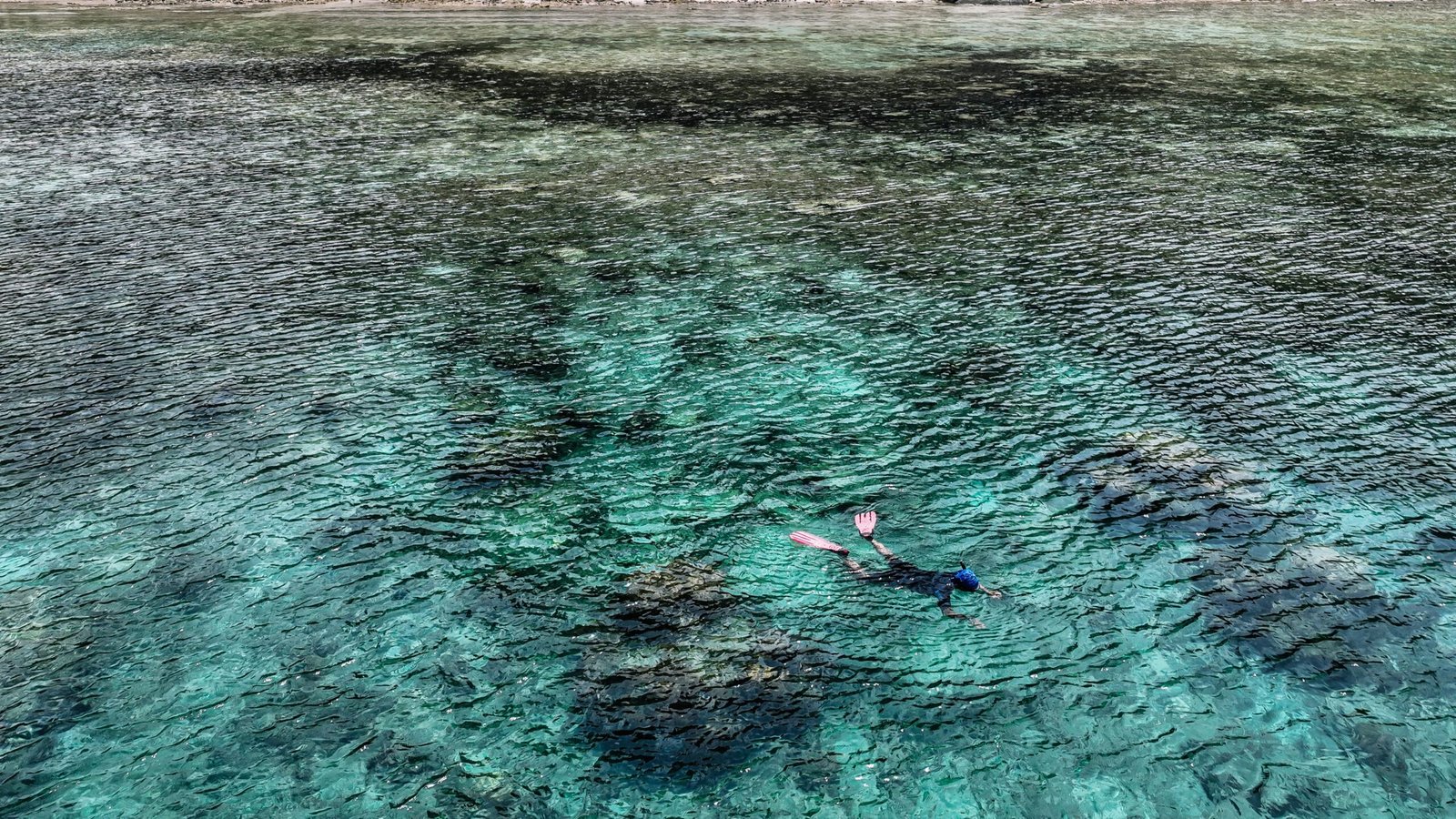
Wildlife photography also extends beneath the water. Around Komodo, travelers may photograph fish, sea turtles, coral reefs, and other marine life while snorkeling or diving.
However, underwater photography requires special care because even small movements can damage fragile habitats. Avoid standing on coral, touching marine animals, or using coral formations to stabilize yourself for a photograph.
Instead, maintain neutral movement in the water, keep your fins away from the reef, and observe marine animals without chasing them. If an animal swims away, let it go rather than following it for another shot.
In addition, listen to your guide or dive professional about currents, visibility, and safe swimming areas. Do not sacrifice your own safety or the well-being of marine life to capture an underwater image.
These practices help preserve the environment that makes a Komodo tour package attractive to nature lovers and underwater photographers.
Stay on Designated Trails and Viewing Areas
Responsible photography also means respecting the places where wildlife lives. Leaving designated trails can damage vegetation, disturb animals, and create additional paths through natural areas.
Before taking a photograph, check your surroundings and make sure you can capture the scene from an authorized location. Avoid climbing onto fragile vegetation, moving rocks, or entering restricted zones to improve your camera angle.
Furthermore, follow any instructions about where visitors may stop to observe wildlife. These boundaries help keep visitor movement manageable and reduce unnecessary disturbance.
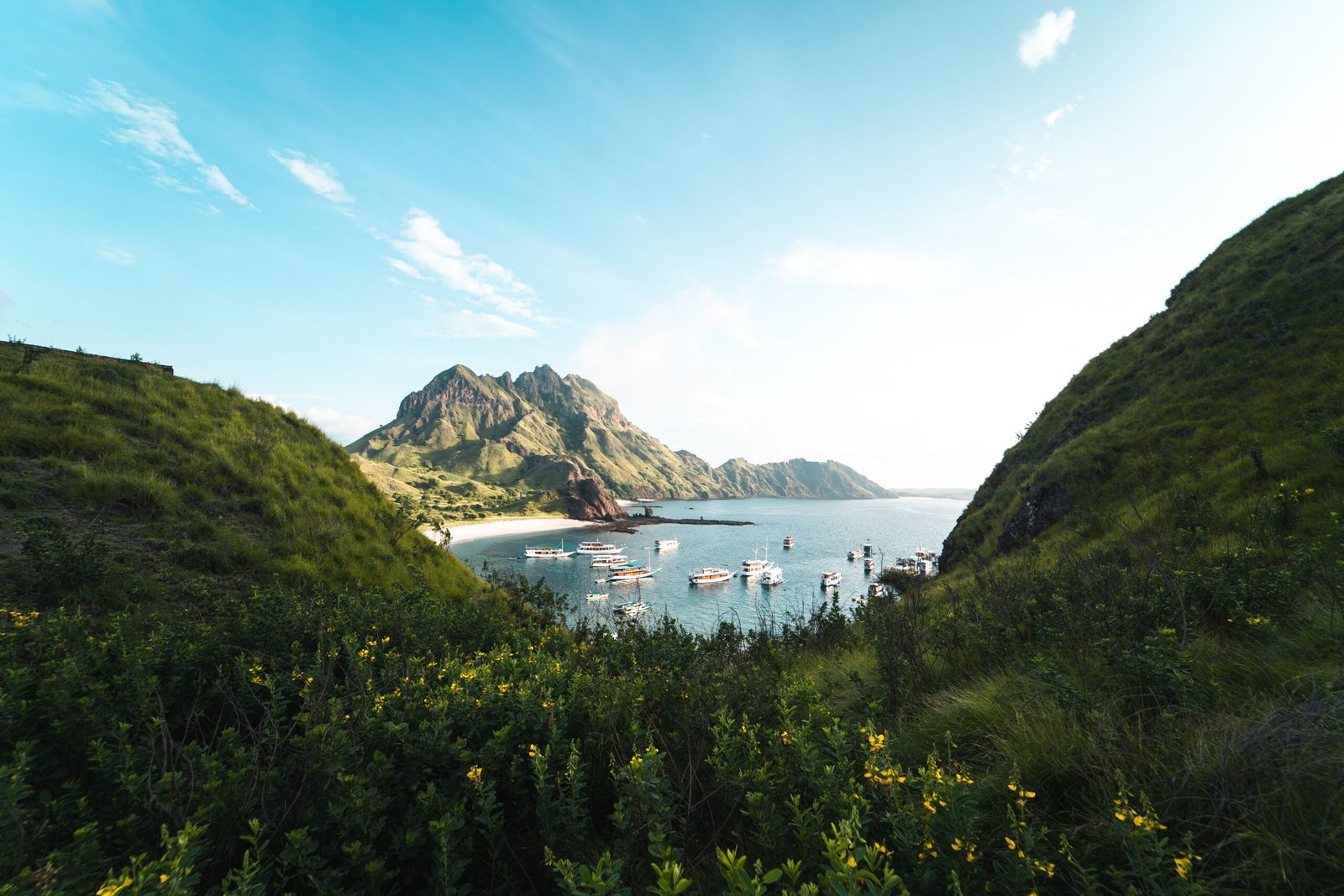
If you cannot capture your desired image from the permitted area, consider a different composition. A wider landscape photograph can communicate the beauty of Komodo just as effectively as a close-up.
Share Wildlife Photos With Responsible Captions
Your responsibility does not end when you take the photograph. Images shared online can influence how other travelers behave during their own wildlife encounters.
For this reason, avoid posting captions that encourage people to touch animals, approach them closely, feed them, or recreate risky situations. Instead, use your photographs to explain why wildlife needs space and why conservation rules matter.
You can also avoid revealing precise locations of particularly vulnerable animals when sharing that information could encourage crowds or unwanted disturbance.
Moreover, represent your encounter honestly. Do not edit photographs in ways that misrepresent animal behavior or suggest that an unsafe interaction was harmless.
Responsible storytelling can help inspire other travelers to appreciate wildlife without treating animals as props for social media.
Read Also: Food and Drinks on Komodo Boats: A Traveler’s Guide
Choose Sustainable Tourism Operators
Your choice of tour operator can also influence how responsibly you photograph wildlife. Before booking a Komodo tour package, ask how the operator manages wildlife encounters and communicates park regulations.
Look for operators that explain safety procedures, respect ranger instructions, and discourage visitors from touching, feeding, or chasing animals. A responsible guide should prioritize the welfare of wildlife rather than promise guaranteed close-up photographs.
Additionally, confirm that your itinerary follows the applicable rules for activities inside Komodo National Park. Official park guidance includes restrictions on disturbing wildlife and requires authorization for drone use in relevant circumstances.
If you plan to use a drone, check the current permit requirements with the park authority before your trip. Never assume that permission to visit an area automatically allows aerial photography.
By choosing responsible operators, you can enjoy your photography experience while supporting tourism practices that respect the destination.
Make Every Wildlife Photograph Count
Responsible wildlife photography does not require expensive equipment or perfect conditions. Instead, it depends on the choices you make before, during, and after an encounter.
Keep a safe distance, follow your guide’s instructions, avoid disturbing natural behavior, and respect designated trails. When photographing marine life, protect coral reefs and allow animals to move freely.
Most importantly, remember that you are a visitor in the animals’ habitat. You can capture beautiful images without touching, feeding, chasing, or disrupting the wildlife you came to see.
Whether you are exploring Komodo National Park on a Day Trip Komodo itinerary or joining a longer island adventure from Labuan Bajo, let conservation guide your photography. By prioritizing animal welfare over the perfect shot, you help preserve the natural experiences that make Komodo special for future travelers.