Kalong Island Sunset: Discover the Magic of Flying Foxes – As the afternoon fades around Labuan Bajo, the islands of Komodo National Park begin to take on a different atmosphere. The sunlight softens, the sea reflects warm colors, and the surrounding mangroves become the center of an extraordinary natural event. At Kalong Island, visitors can witness flying foxes leaving their daytime roosts as the sky transitions from daylight to dusk.
Unlike destinations that attract visitors with hiking trails or white sand beaches, Kalong Island offers a wildlife experience that requires patience rather than physical activity. Travelers usually watch from their boats as these large fruit bats emerge from the mangrove canopy and fly across the evening sky. This combination of wildlife, coastal scenery, and changing light makes the island a memorable stop on a sunset sailing trip.
If you are planning a visit to Labuan Bajo, understanding what happens at Kalong Island can help you appreciate why this destination deserves a place on your travel itinerary.
1. Witness the Flying Foxes at Sunset
The main attraction of Kalong Island is watching flying foxes leave their roosts around sunset. During the day, these fruit bats rest among the island’s mangroves. As evening approaches, they begin to take flight and travel toward feeding areas.
At first, you might notice only a few bats crossing the sky. Gradually, more appear, creating a stream of moving silhouettes above the water. Their dark wings stand out against the remaining sunlight, producing a striking contrast with the orange, pink, and golden tones of the evening sky.
According to Indonesia Travel, the flying foxes are the central attraction of Kalong Island, where visitors can observe their evening departure against the sunset.
What makes this experience particularly interesting is its natural rhythm. The bats do not perform for visitors, and their movements do not follow a fixed tourist schedule. Instead, travelers observe a regular part of the animals’ daily behavior. This makes the experience feel different from visiting a conventional sightseeing attraction.
2. Discover the Importance of Kalong Island’s Mangroves
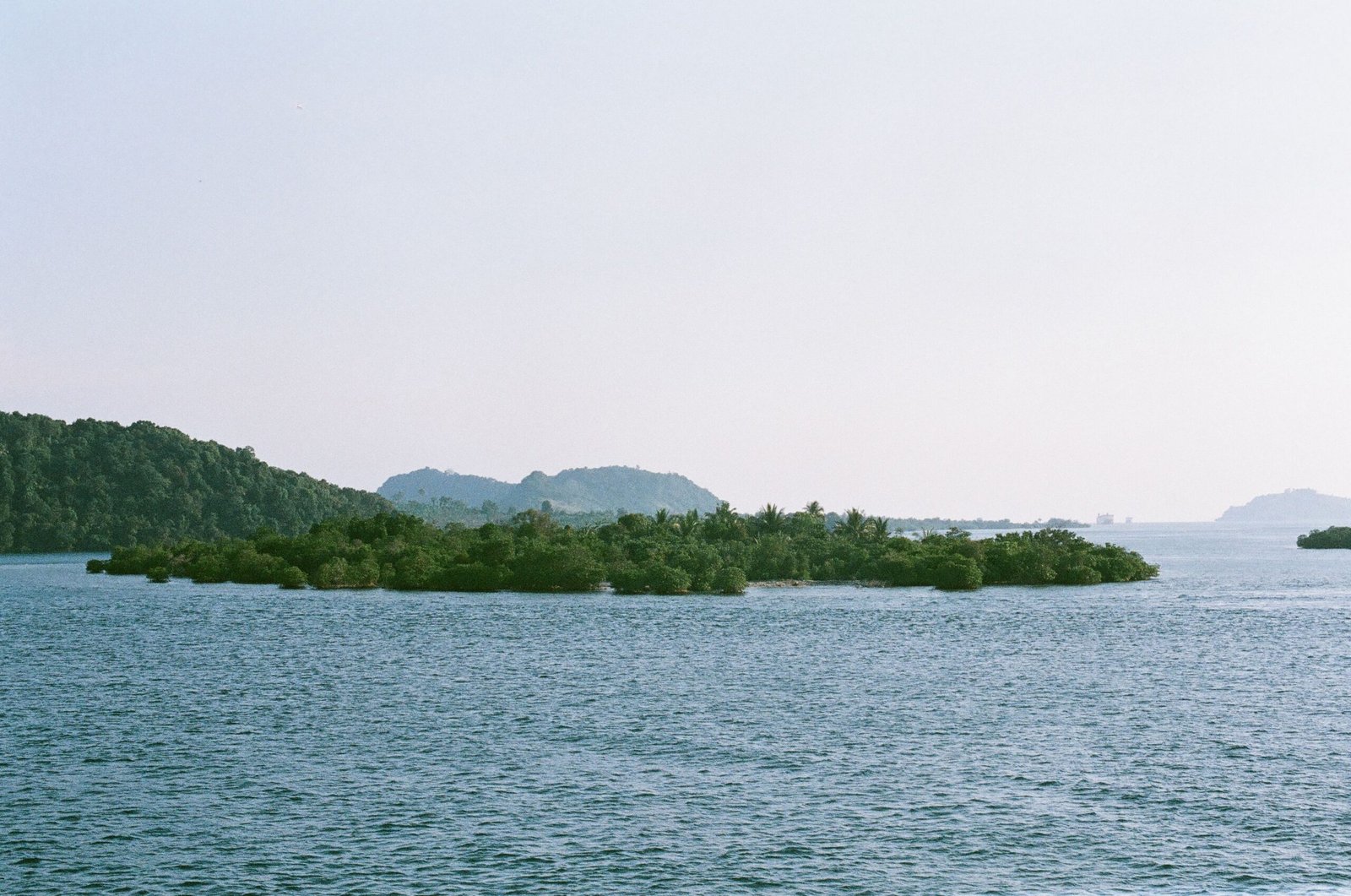
Although the flying foxes attract most visitors, the island’s mangrove habitat also plays an important role in the experience. Mangroves provide a place where the bats can rest during daylight hours before they travel in search of food.
These coastal forests form part of a wider natural environment that connects land and sea. Mangrove roots help stabilize shorelines, while the surrounding ecosystem provides habitat for various organisms.
For flying foxes, suitable roosting areas offer shelter during the day. When evening arrives, the bats leave the trees to search for fruit and other plant-based food sources. Their feeding activities can also contribute to seed dispersal, helping some plants spread across their environment.
Consequently, the experience at Kalong Island offers more than an impressive sunset photograph. It also allows visitors to appreciate how wildlife depends on healthy natural habitats.
Rather than focusing exclusively on the number of bats, take a moment to consider the ecosystem that supports them. Understanding this connection adds another layer of meaning to your visit.
Read Also: How Long Can You Spend at Each Stop on a Komodo Tour?
3. Experience the Sunset Through a Wildlife Encounter
Many travelers associate sunsets around Labuan Bajo with panoramic hilltop views, beaches, or dramatic island landscapes. Kalong Island provides a different perspective because wildlife becomes part of the scenery.
As the sun approaches the horizon, the changing light creates a beautiful backdrop for observing the bats. The silhouettes move across the sky while the boat remains on the water, allowing visitors to enjoy the scene without climbing a hill or walking along a trail.
Moreover, the surrounding sea contributes to the atmosphere. Gentle waves, the evening breeze, and the distant outlines of nearby islands create a peaceful setting before darkness arrives.
The experience also encourages visitors to slow down. Instead of moving quickly between several attractions, you can focus on a single natural event and observe how it develops over time.
For travelers who enjoy photography, the combination of wildlife and sunset colors provides an interesting subject. However, the moment remains rewarding even if you put your camera away and simply watch the scene unfold.
4. Experience Kalong Island During a Sunset Boat Trip
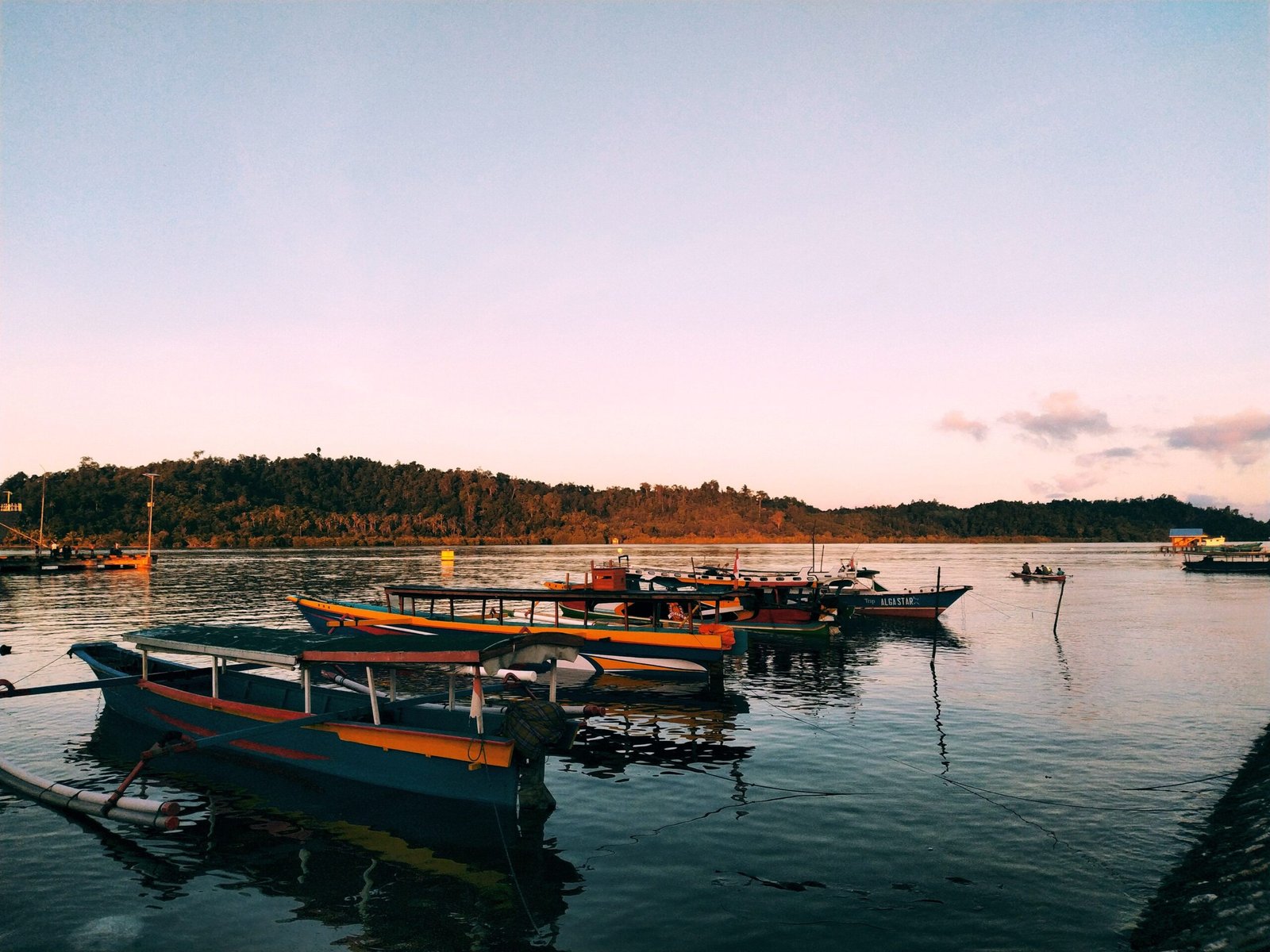
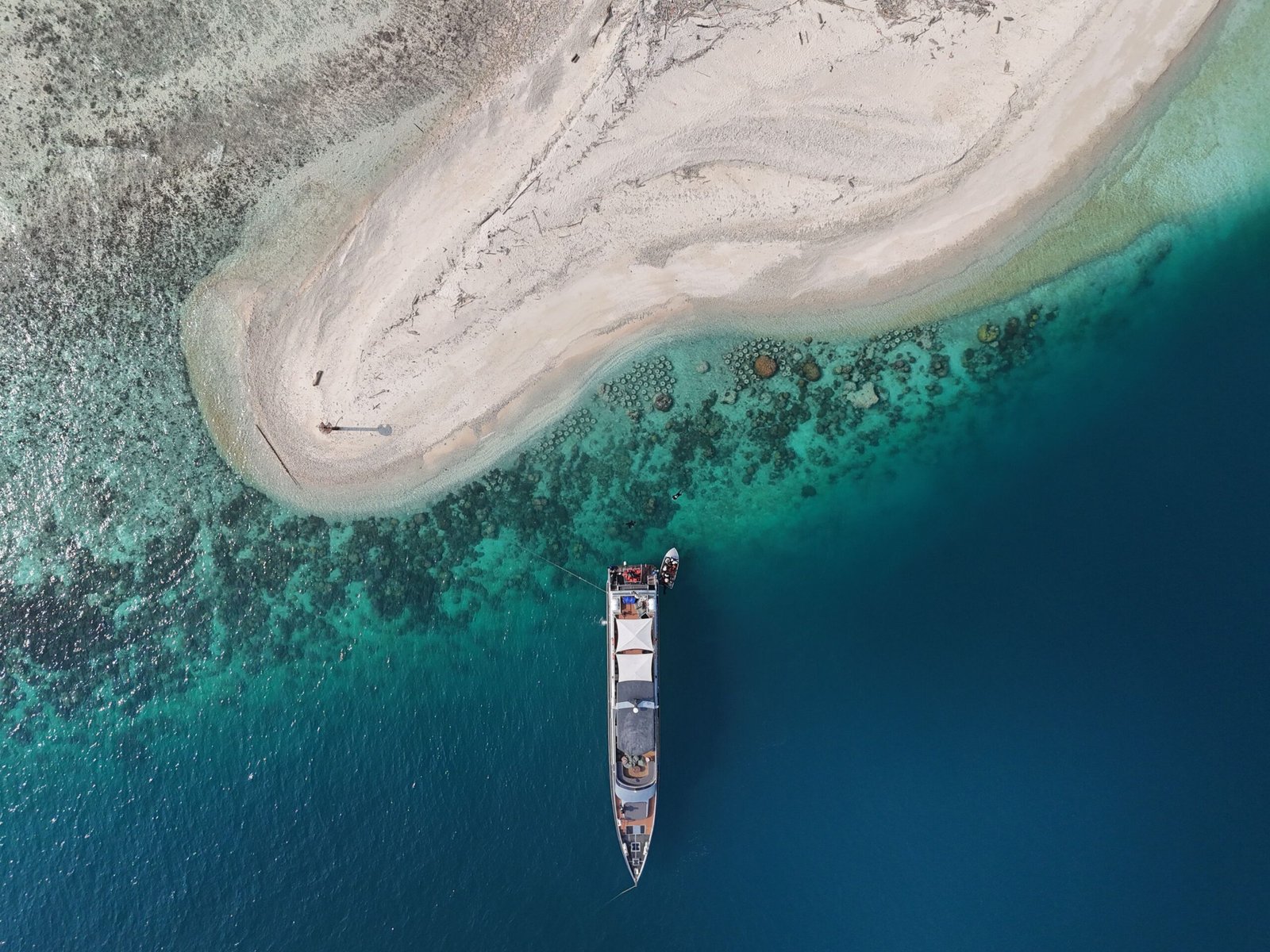
One practical way to visit Kalong Island is to include it in an afternoon or sunset boat trip from Labuan Bajo. These trips often combine several activities, allowing visitors to experience different landscapes before reaching the island near sunset.
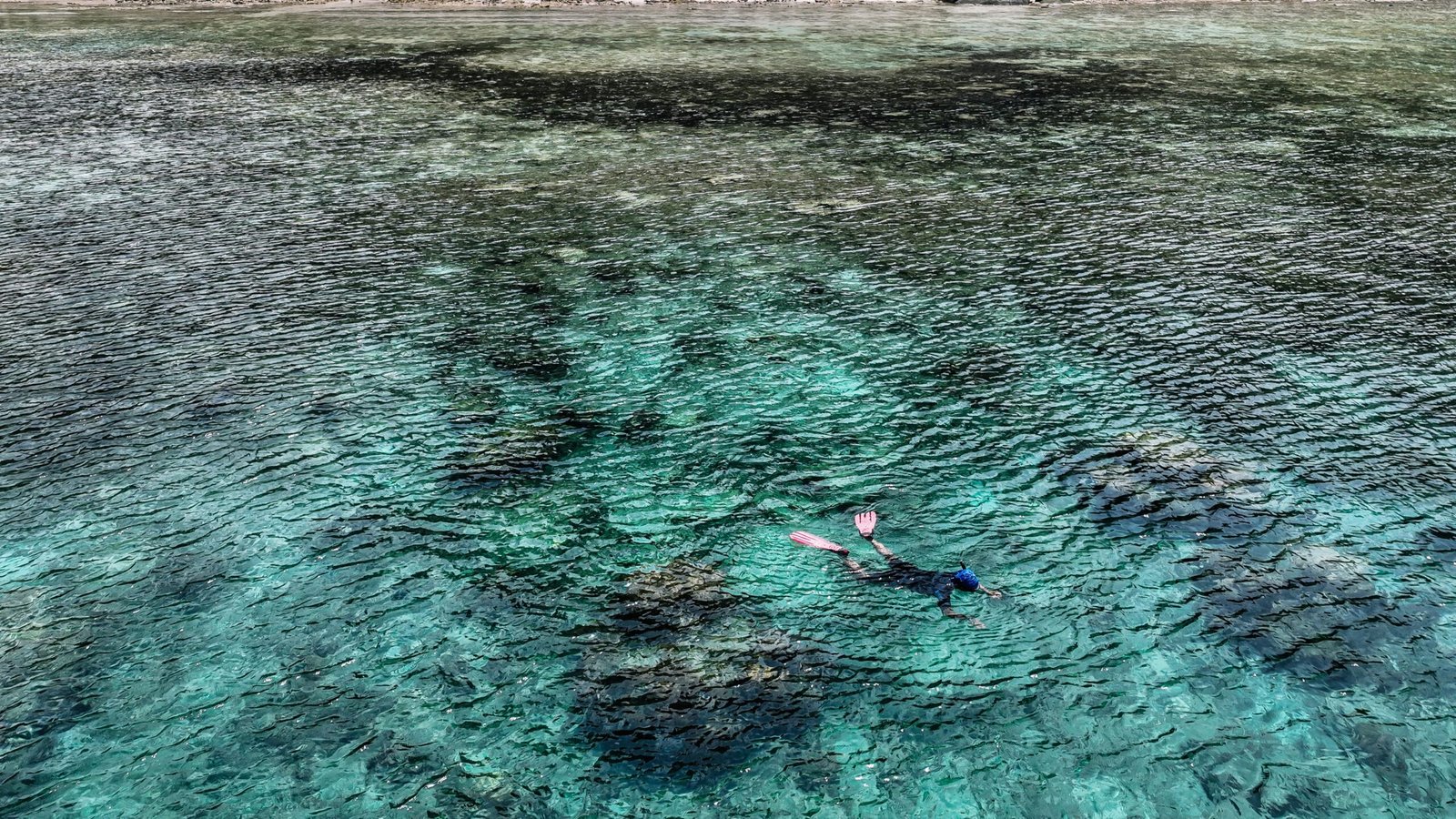
For example, the published Komodo Sunset Trip itinerary by Day Trip Komodo includes Kelor Island, Manjarite Bay, and Kalong Island. The route combines a short island trek, snorkeling, and wildlife observation within an afternoon excursion.
However, itineraries can vary depending on the boat, tour package, sea conditions, and the operator’s arrangements. Some trips may include different stops, while others focus more directly on the sunset experience.
Before booking, confirm whether Kalong Island is included in your chosen itinerary and ask how the operator plans the arrival time. Reaching the viewing area before the main evening activity begins gives you time to settle in and enjoy the changing scenery.
Additionally, check the expected return time to Labuan Bajo. This helps you plan dinner, transport, and other activities after the boat trip.
5. Why Timing Matters for Wildlife Viewing
The experience at Kalong Island depends largely on timing. Arriving too early may mean waiting while the bats remain in the mangroves, whereas arriving too late could reduce your opportunity to observe their departure.
For this reason, tour operators generally plan the stop around the approaching sunset. Nevertheless, the exact timing and duration of the event can vary with environmental conditions and wildlife behavior.
Keep in mind that nature does not follow an exact timetable. Cloud cover, light conditions, and the animals’ movements may influence what you see during your visit.
Instead of expecting every bat to emerge at once, give yourself time to observe the transition from the first movements to the larger flow of animals across the sky.
This approach also makes the experience more enjoyable because you can appreciate the event as it develops rather than concentrating only on its most dramatic moment.
6. Photograph the Wildlife Without Disturbing It
Kalong Island offers excellent opportunities for wildlife photography, particularly when the bats appear as silhouettes against the sunset. You can capture the wider landscape, the mangrove-covered island, or the movement of the flying foxes across the horizon.
However, responsible photography should always take priority over getting a close up image. Follow your boat crew’s instructions and observe the animals from the designated viewing position.
You can use your camera’s zoom to frame the bats without trying to approach the roosting area. Avoid loud noises, sudden movements intended to attract wildlife, and flash photography that could disturb the animals.
It is also worth taking a few moments to enjoy the view without looking through a screen. Photographs can preserve the memory, but observing the event directly allows you to appreciate the scale and movement of the colony.
By keeping a respectful distance, you help minimize disturbance while enjoying one of the distinctive wildlife experiences around Komodo National Park.
7. Prepare for a Comfortable Evening on the Boat
Although watching flying foxes does not require strenuous physical activity, a little preparation can make your trip more comfortable.
First, bring a camera or smartphone if you want to capture the sunset. A lightweight jacket can also be useful because the breeze may feel cooler once the boat moves across the water after sunset.
Next, consider carrying drinking water and any personal items you may need during the excursion. If your itinerary includes snorkeling or a stop at another island before reaching Kalong, bring suitable clothing and footwear for those activities.
You should also confirm what your tour package includes. Ask about meals, drinking water, snorkeling equipment, and any additional expenses so you know what to prepare in advance.
Finally, follow the crew’s safety instructions throughout the trip. Stay in designated areas while the boat is moving and avoid leaning over railings to take photographs.
These simple preparations help you focus on the landscape and wildlife instead of worrying about practical details.
Read Also: How to Spend Your Extra Time in Labuan Bajo After a Komodo Trip
8. Help Protect the Natural Environment
The appeal of Kalong Island depends on the continued presence of its wildlife and the condition of its natural habitat. Visitors can support responsible tourism by observing the animals without attempting to interact with them.
Do not try to feed the bats, touch wildlife, or enter restricted areas. Follow the operator’s instructions about where the boat can stop and how close it may approach the island.
In addition, avoid leaving rubbish behind. Bring reusable items when practical and keep all waste securely stored until you can dispose of it properly.
Choosing a responsible tour operator also matters. Look for a company that explains wildlife-viewing guidelines, prioritizes passenger safety, and respects the surrounding environment.
Ultimately, a memorable wildlife encounter should not come at the expense of the animals or their habitat. By observing quietly and following local guidance, travelers can enjoy the experience while helping protect the destination for future visitors.
Final Thoughts
Kalong Island offers a distinctive experience for travelers exploring Labuan Bajo and Komodo National Park. As dusk approaches, flying foxes emerge from the mangroves and cross the evening sky, creating a natural spectacle that combines wildlife observation with beautiful coastal scenery.
The island stands out because visitors do not need a challenging hike or an elaborate activity to enjoy it. Instead, they can watch from a boat, appreciate the changing colors of the sky, and observe the animals as they begin their nightly search for food.
To make the most of your visit, choose an itinerary that includes a suitable sunset stop, prepare for an evening on the water, and follow responsible wildlife viewing practices.
If you are looking for a different way to experience the natural beauty of Labuan Bajo, consider adding Kalong Island to your next Komodo tour package. With thoughtful planning and respect for the environment, this sunset wildlife encounter can become a memorable part of your journey through Komodo National Park.