
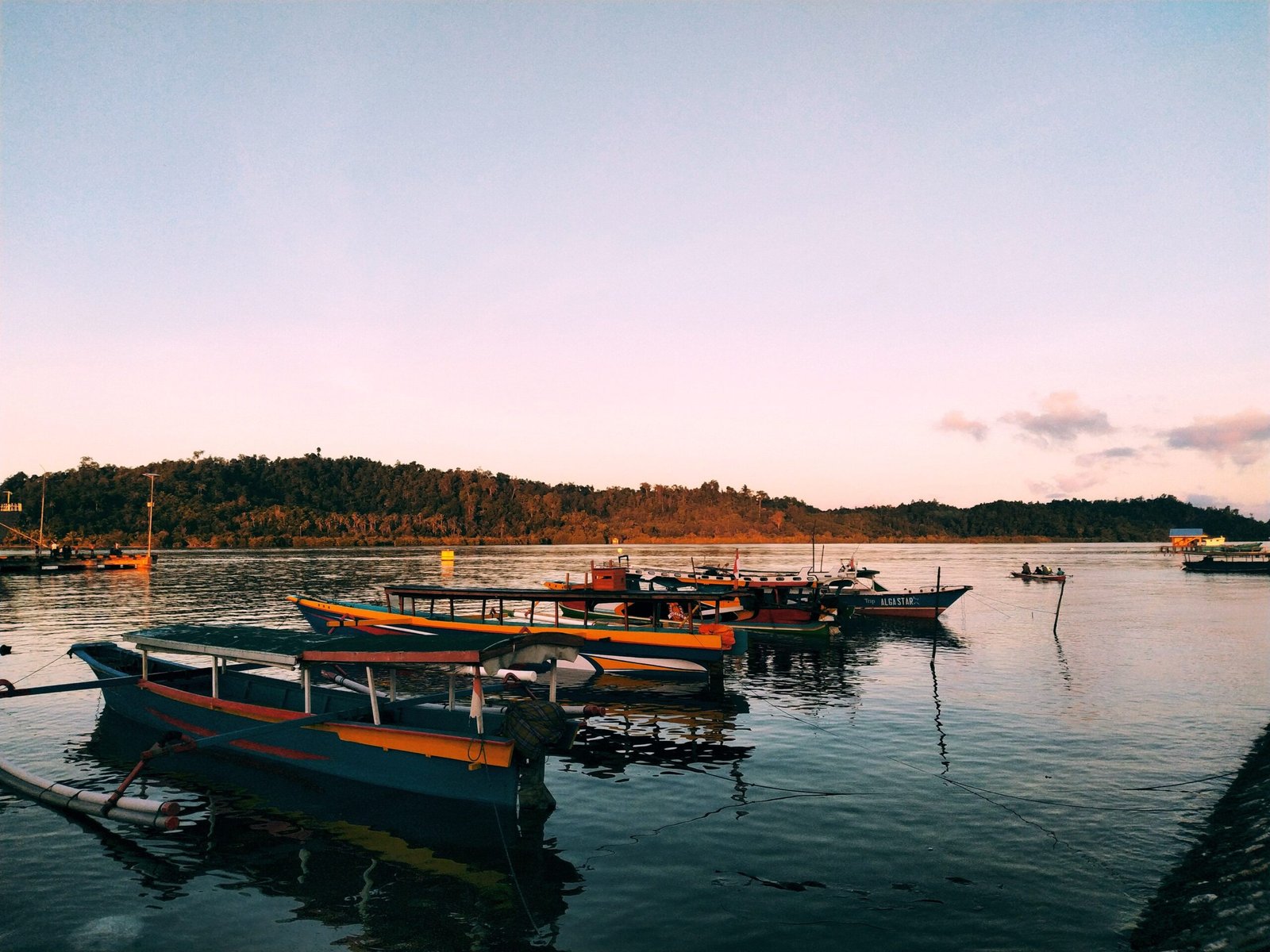
Labuan Bajo: Supporting Local Communities Through Sustainable Tourism – Labuan Bajo has become a popular destination for travelers seeking beautiful islands, unique wildlife, and unforgettable sailing experiences. As the main gateway to Komodo National Park, this coastal town offers opportunities to explore remarkable landscapes while discovering the culture and daily life of local communities. However, tourism involves more than visiting attractions. The choices travelers make about where they spend their money can also influence the destination’s long-term development.
Supporting local businesses is one practical way to encourage sustainable tourism in Labuan Bajo. From family-owned restaurants and guesthouses to local tour operators and handicraft sellers, small businesses contribute to the visitor experience while creating economic opportunities for residents.
Moreover, choosing local services can help distribute tourism income more widely throughout the community. When travelers make thoughtful spending decisions, they can support local livelihoods, encourage cultural preservation, and contribute to a tourism industry that values both people and the environment.
1. Keep More Tourism Revenue Within the Local Community
One of the main benefits of supporting local businesses is the opportunity to keep more tourism spending within the destination. When travelers purchase meals from locally owned restaurants, book services from local operators, or buy products directly from local artisans, they help generate income for people who live and work in the region.
For example, a traveler who books a locally operated boat tour may support not only the business owner but also the captain, crew members, guides, drivers, and other workers involved in the excursion. Similarly, choosing a neighborhood restaurant can create business for its employees and suppliers.
In addition, local business owners often purchase goods and services from other businesses in the surrounding area. This creates connections between tourism and other sectors, including food production, transportation, retail, and creative industries.
As a result, supporting local enterprises can help strengthen the local economy. Although individual purchases may seem small, consistent demand from visitors can provide valuable opportunities for local entrepreneurs.
2. Create More Opportunities for Local Workers
Tourism depends on the people who provide services throughout a traveler’s journey. In Labuan Bajo, these services can include accommodation, transportation, boat operations, guiding, food preparation, and retail.
When visitors choose businesses that employ local residents, they help create demand for jobs and professional skills. These opportunities can allow workers to develop experience in hospitality, customer service, tourism operations, and other fields.
Furthermore, businesses that invest in local employees can contribute to long-term workforce development. Training in safety procedures, communication, language skills, and environmental awareness can improve service quality while helping workers build valuable professional capabilities.
For travelers, working with local guides can also provide a deeper understanding of the destination. Guides who know the surrounding islands and communities can share useful information about local traditions, landscapes, and responsible visitor behavior.
Therefore, supporting local tourism businesses benefits more than the person receiving a payment. It can help strengthen the wider network of people who make tourism possible.

Read Also: Taka Makassar and Pink Beach: Exploring Two Komodo Island Highlights
3. Help Preserve Local Culture and Traditional Skills
Labuan Bajo and the wider Flores region have cultural traditions that add depth to the visitor experience. Local food, traditional weaving, handicrafts, community stories, and cultural activities offer travelers opportunities to learn about the region beyond its natural attractions.
Supporting local artisans and cultural businesses can help maintain demand for traditional products and skills. For instance, purchasing a locally made handicraft directly from its creator allows travelers to learn about the product’s origins while supporting the person who made it.
Similarly, choosing a community-led cultural experience can provide opportunities for residents to share their knowledge on their own terms.
However, cultural tourism should always respect the wishes and privacy of local communities. Travelers should ask permission before taking photographs of people, follow guidance during cultural activities, and avoid treating traditions as performances that must satisfy visitors.
By making respectful choices, travelers can support cultural preservation without placing unnecessary pressure on local communities.
4. Labuan Bajo: Encouraging Small Businesses to Adopt Sustainable Practices
Supporting local businesses can also create opportunities for more environmentally responsible tourism. When travelers pay attention to how businesses operate, they can encourage providers to consider waste reduction, resource conservation, and responsible sourcing.
For example, visitors can choose accommodation that explains its water-saving measures, restaurants that minimize food waste, or tour operators that provide clear guidelines for protecting marine environments.
Additionally, travelers can ask practical questions about sustainability rather than relying only on broad environmental claims. A business may demonstrate its efforts through refillable drinking-water stations, reusable service items, responsible waste disposal, or local purchasing arrangements.
Nevertheless, a business does not need to be perfect to make progress. Small enterprises may face financial and infrastructure limitations, so practical improvements can matter when they produce meaningful results.
By supporting businesses that take measurable steps toward responsible operations, travelers can help make sustainability a more important consideration within the tourism sector.
5. Support Local Food Producers and Restaurants
Food provides another simple way to contribute to the local economy. During a visit to Labuan Bajo, travelers can explore local restaurants, try regional dishes, and purchase food from businesses that source ingredients from nearby producers when available.
These choices can create connections between tourism and local food suppliers. Restaurants may purchase ingredients from farmers, fishers, markets, and other regional businesses, depending on seasonal availability and sourcing arrangements.
Moreover, eating at locally owned establishments gives travelers an opportunity to discover flavors and culinary traditions that reflect the surrounding region.
To make more informed choices, ask restaurants about their ingredients and sourcing practices. If you prefer seafood, you can also ask whether the establishment follows responsible sourcing practices and which options are available.
At the same time, avoid assuming that every local business sources all its ingredients locally. Supply chains vary, and some products may need to come from elsewhere.
Thoughtful dining choices can still help travelers enjoy local cuisine while supporting businesses that contribute to the area’s economy.
6. Choose Local Tour Operators for More Meaningful Experiences
Island hopping is one of the main reasons travelers visit Labuan Bajo. Boat tours offer access to destinations around Komodo National Park, including scenic islands, beaches, hiking locations, and snorkeling areas.
Choosing a locally operated tour can create opportunities to support regional businesses and the people involved in organizing each excursion. Depending on the company, these services may involve boat crews, guides, drivers, equipment providers, and other local workers.
In addition, local operators may offer valuable knowledge about departure logistics, island conditions, and the practical details of exploring the area.
However, travelers should compare operators carefully rather than making a decision based on location alone. Check safety arrangements, itinerary details, customer information, environmental practices, and the services included in the package.
For a responsible Komodo tour package, look for operators that explain wildlife guidelines, encourage proper waste disposal, and instruct guests to avoid damaging coral reefs or disturbing animals.
Supporting local tourism works best when economic benefits go hand in hand with safe operations and respect for the environment.
7. Reduce Environmental Pressure Through Responsible Spending
The natural environment is central to Labuan Bajo’s appeal. Visitors come to explore its coastal scenery, marine ecosystems, and wildlife, so protecting these resources matters to the future of tourism and local livelihoods.
Travelers can use their spending decisions to support businesses that take environmental responsibility seriously. For instance, you can bring a refillable water bottle, avoid unnecessary single-use products, and choose operators that provide clear waste-management instructions.
You can also reduce your impact by following designated trails, respecting wildlife viewing distances, and never leaving rubbish on beaches or islands.
Furthermore, consider buying useful, locally made souvenirs instead of mass-produced items that have little connection to the destination. This approach can support local creativity while helping you choose more meaningful purchases.
Although individual actions cannot solve every environmental challenge, responsible spending and visitor behavior can contribute to a broader culture of sustainability.
8. Make Responsible Choices When Shopping for Local Products
In Labuan Bajo, local markets, small shops, and artisan businesses offer travelers opportunities to discover products connected to the region. Depending on availability, these may include handmade crafts, woven textiles, locally produced food, and other items created by local entrepreneurs.
Purchasing directly from a maker or small business in Labuan Bajo can help customers understand where a product comes from and how it is produced. It also gives artisans an opportunity to explain the techniques and traditions behind their work.
However, responsible shopping in Labuan Bajo involves more than choosing a locally sold item. Ask about the materials when appropriate, avoid products made from protected wildlife or restricted natural resources, and follow applicable rules regarding the purchase or transport of natural materials.
You should also choose items you genuinely want rather than buying unnecessary souvenirs simply because they are available.
By prioritizing useful products and respecting local regulations, travelers can support small businesses in Labuan Bajo while making thoughtful purchasing decisions.

Read Also: Komodo Boat Amenities: Restrooms, Showers, and Essential Facilities
9. Build a More Sustainable Tourism Experience Through Everyday Decisions
Supporting local businesses does not require a complicated travel plan. You can incorporate responsible choices into everyday activities throughout your stay.
Consider these practical steps:
- Book local services: Compare locally operated accommodation, transport, and tour providers.
- Eat at local restaurants: Explore regional dishes and ask about local ingredients.
- Purchase local products: Buy directly from artisans and small businesses when possible.
- Respect cultural practices: Ask permission before taking photographs and follow community guidance.
- Reduce waste: Carry reusable items and dispose of rubbish properly.
- Choose responsible tours: Review safety procedures and environmental guidelines before booking.
- Share honest feedback: Recognize good service and provide constructive comments that can help businesses improve.
These actions allow travelers to contribute to the destination while enjoying a more personal and informed travel experience.
Importantly, sustainable tourism is not only about where visitors spend money. It also involves how they behave, how they interact with residents, and whether they respect the natural and cultural environment.
Conclusion
Supporting local businesses plays an important role in encouraging sustainable tourism in Labuan Bajo. Local restaurants, guesthouses, tour operators, transport providers, and artisans all contribute to the experiences that make the destination distinctive.
When travelers choose local services thoughtfully, they can help create economic opportunities, support traditional skills, and encourage businesses to adopt responsible practices. These benefits become more meaningful when visitors also respect local customs, reduce waste, and protect the surrounding environment.
Ultimately, sustainable tourism requires cooperation between travelers, businesses, communities, and destination managers. By making informed choices throughout your journey, you can enjoy the beauty of Labuan Bajo while helping support the people and businesses that contribute to its future.