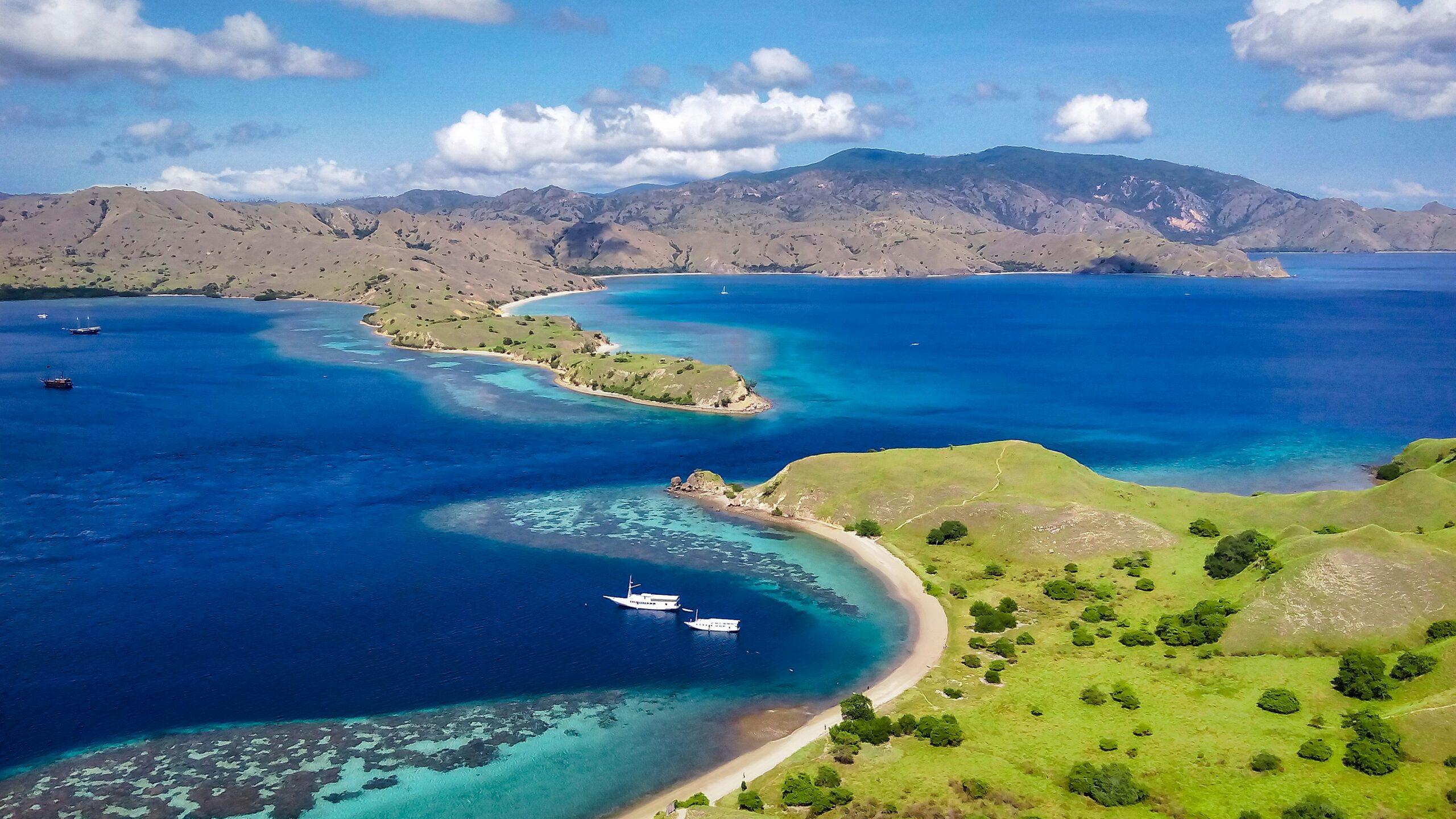
Eco Travel in Komodo: Simple Ways to Protect Nature While Exploring – Komodo National Park is one of Indonesia’s most extraordinary natural destinations. Located near Labuan Bajo, the park is famous for its breathtaking islands, marine biodiversity, coral reefs, and the world famous Komodo dragons.
As tourism continues to grow, protecting Komodo’s environment becomes increasingly important. Responsible tourism and eco travel practices can help preserve the national park’s natural beauty while allowing future generations to continue enjoying it.
Fortunately, travelers do not need to make complicated changes to travel responsibly. Simple habits and thoughtful decisions can make a positive impact while travel in Komodo.
If you are planning a trip to Komodo, here are several easy ways to travel more sustainably during your adventure.
Why Eco Travel Matters in Komodo
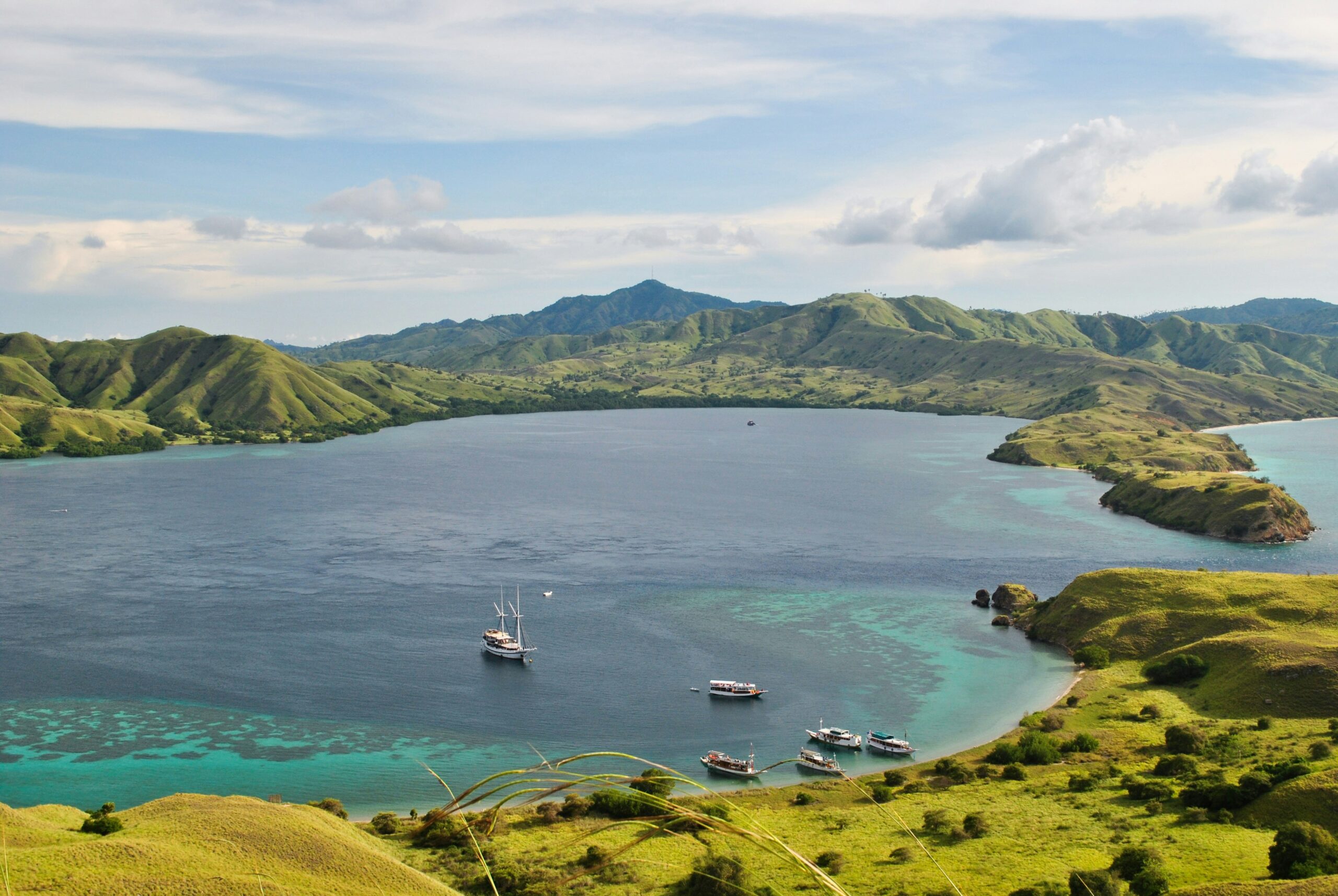
Komodo National Park includes fragile ecosystems such as:
- Coral reefs
- Mangrove forests
- Savanna landscapes
- Marine habitats
These ecosystems support a wide variety of wildlife and marine species.
However, increasing tourism can also create environmental pressure through:
- Plastic pollution
- Coral reef damage
- Wildlife disturbance
- Excessive waste
Eco friendly travel in Komodo helps minimize these negative impacts while supporting conservation efforts within the national park.
Reduce Single Use Plastic
Plastic waste remains one of the biggest environmental challenges in many island destinations.
Travelers can help reduce waste by:
- Bringing reusable water bottles
- Using reusable shopping bags
- Refusing plastic straws and utensils
- Carrying reusable food containers if necessary
Reducing plastic use helps keep beaches and marine ecosystems cleaner.
Read Also: Padar, Pink Beach & Beyond: Top Destinations You Must Visit in Komodo
Respect Wildlife During Your Visit
Komodo National Park is home to unique wildlife, especially the famous Komodo dragons.
When visiting destinations such as Komodo Island or Rinca Island:
- Follow the ranger’s instructions carefully.
- Visitors should keep a reasonable distance from wildlife at all times.
- Avoid feeding animals.
- Stay on designated trekking paths.
Respecting wildlife habitats helps maintain the park’s ecological balance.
Protect Coral Reefs While Snorkeling or Diving
Komodo is internationally recognized for its incredible underwater scenery.
Popular marine destinations such as Manta Point and Pink Beach attract snorkelers and divers from around the world.
To help protect coral reefs:
- Avoid touching coral formations.
- Never stand on coral reefs.
- Use reef safe sunscreen.
- Avoid collecting shells or marine life.
Responsible underwater behavior helps preserve Komodo’s marine biodiversity.
Support Local Communities
Eco travel also means contributing positively to local economies.
Travelers visiting Labuan Bajo can support local communities by:
- Hiring local guides
- Staying in locally owned accommodations
- Dining at local restaurants
- Purchasing handmade souvenirs
Supporting local businesses helps create sustainable economic opportunities for residents.
Choose Responsible Tour Operators
Selecting eco conscious tour providers can also reduce environmental impact.
Responsible operators often:
- Limit plastic use onboard.
- Follow environmental regulations.
- Educate travelers about conservation.
- Promote sustainable tourism practices.
Choosing ethical tour companies encourages long term environmental protection in Komodo.
Conserve Water and Energy
Natural resources on many islands are limited.
Travelers can help reduce unnecessary consumption by:
- Turning off lights and air conditioning when not in use
- Taking shorter showers
- Conserving water whenever possible
Simple actions by travelers can have a significant positive impact.
Avoid Littering During Island Hopping
Island hopping is one of the most popular activities in Komodo National Park.
While exploring different islands:
- Dispose of trash properly.
- Avoid throwing waste into the ocean.
- Carry reusable items whenever possible.
Keeping the environment clean helps preserve Komodo’s natural beauty.

Read Also: Komodo National Park Entry Guide: Fees, Rules, and What to Expect
Learn About Conservation Before Traveling
Understanding Komodo’s environmental challenges before visiting can encourage more responsible travel behavior. Travelers who learn about conservation efforts are often more aware of how their actions affect nature and local communities. Responsible tourism starts with awareness and respect for the destination.
Final Thoughts
Komodo National Park offers incredible experiences for travelers seeking adventure, wildlife encounters, and marine exploration. However, preserving the park’s ecosystems requires support from both local communities and visitors.
By reducing plastic waste, respecting wildlife, supporting local businesses, and protecting coral reefs, travelers can help preserve Komodo’s beauty for future generations. Responsible tourism not only helps preserve the environment but also makes the travel experience more meaningful and enjoyable.