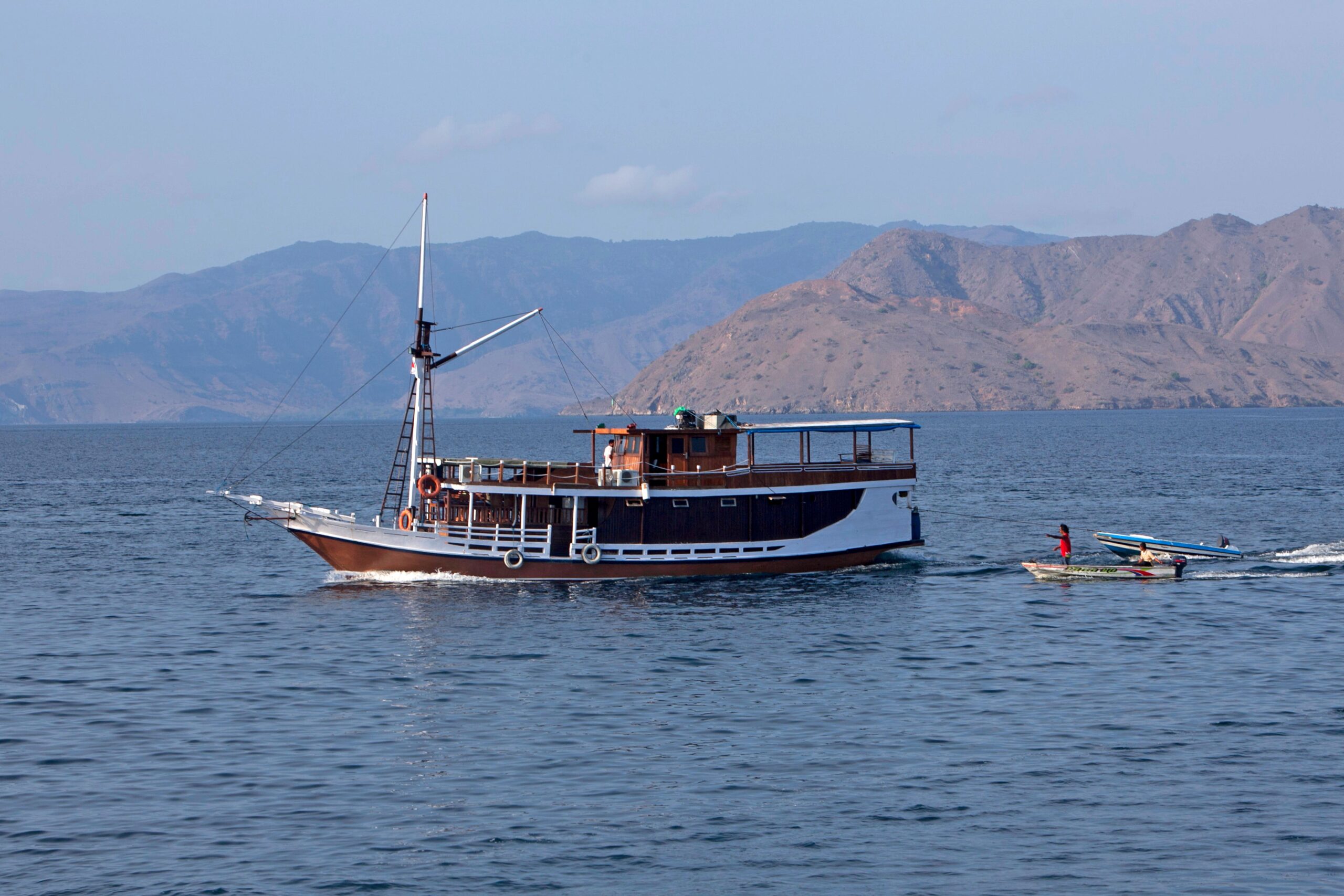
Island Hopping: Simple Ways to Reduce Plastic Waste During Your Adventure – Island hopping around Komodo National Park offers an incredible way to experience Indonesia’s natural beauty. From clear tropical waters and coral reefs to secluded beaches and dramatic islands, each stop offers something different. However, traveling between remote islands also makes waste management more challenging.
Plastic bottles, food packaging, disposable cups, and other single use items can quickly accumulate during a day on the water. Because Komodo National Park protects important terrestrial and marine ecosystems, responsible waste habits can make a meaningful difference. The park’s management framework specifically prohibits disposing of trash or waste outside designated areas.
Fortunately, you do not need to make major changes to reduce your plastic footprint. A few practical habits before and during your island hopping adventure can help you travel more sustainably while keeping the journey convenient.
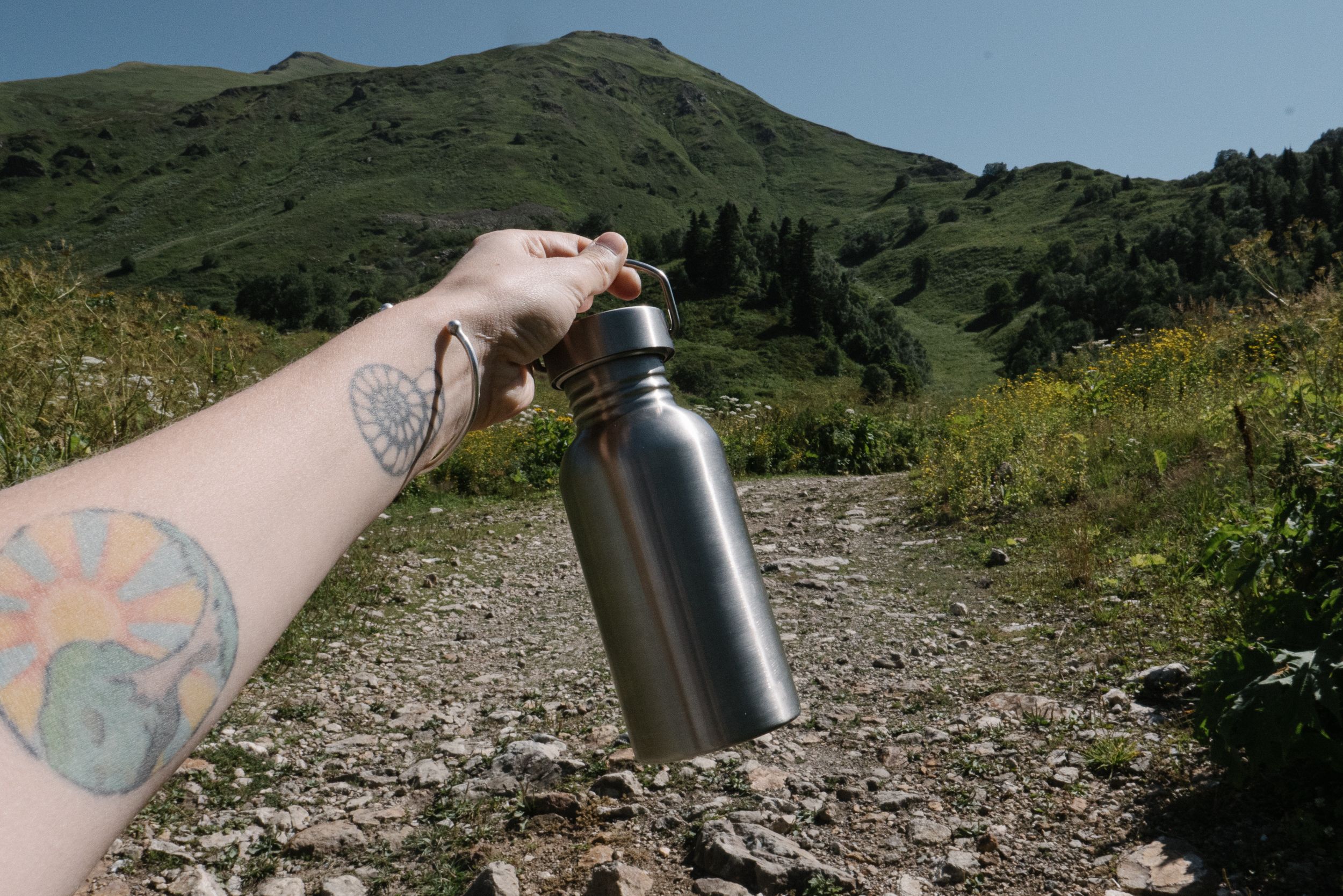
Bring a Reusable Water Bottle
One of the easiest ways to reduce plastic consumption is to carry your own reusable bottle. Instead of purchasing several single use bottles throughout the day, refill your bottle whenever clean drinking water is available.
This simple habit becomes particularly useful during an island hopping trip because travelers can spend several hours on a boat. Bring enough drinking water for your planned activities and ask your tour operator whether refill facilities are available.
Moreover, a reusable bottle can become part of your regular travel kit. You can continue using it when exploring Labuan Bajo, visiting restaurants, or heading out for another excursion.
Say No to Single Use Cups and Straws
Disposable cups and plastic straws may seem insignificant individually, but they can add up during a busy tourism day. Whenever possible, bring a reusable cup or simply enjoy your drink without a straw.
If you order drinks at a restaurant or café before boarding your boat, consider asking whether the establishment can serve your beverage without unnecessary plastic accessories.
Similarly, carry reusable cutlery if you frequently purchase takeaway meals. These small alternatives can reduce the amount of disposable material you use throughout your trip.
Read Also: Hidden Snorkeling Spots in Komodo: Discover the Parks Lesser Known Gems
Choose Snacks With Less Packaging
Snacks are useful during long boat journeys, but individually wrapped products can create considerable waste. Instead of buying several heavily packaged snacks, choose products with minimal packaging or purchase larger portions that use less material overall.
For example, fresh fruit, locally prepared food, or snacks sold with minimal packaging can be practical alternatives. However, always make sure food remains properly stored and protected during your journey.
Before leaving for the boat, consider preparing a small snack bag. This approach allows you to control what you bring and prevents unnecessary purchases of individually packaged products.
Pack a Reusable Shopping Bag
A lightweight reusable bag takes up very little space but can become extremely useful during an island hopping trip. Use it when purchasing snacks, souvenirs, or other necessities in Labuan Bajo.
Furthermore, a reusable bag can help you keep your belongings organized on the boat. You can separate food, personal items, and reusable equipment without relying on additional plastic bags.
When you return home, continue using the same bag during your everyday activities. That way, one simple travel item can encourage more sustainable habits long after your Komodo adventure ends.
Bring a Small Waste Bag
Even when you try to avoid plastic, some waste will still be unavoidable. Instead of throwing wrappers or other small items away wherever you happen to be, carry a small reusable waste bag.
Place your personal waste inside it throughout the journey and dispose of everything at an appropriate facility when one becomes available.
This habit is especially important when visiting remote islands. Waste disposal facilities may not always be immediately accessible, so keeping your own rubbish with you helps prevent accidental littering.
The conservation framework for Komodo National Park prohibits waste disposal except in designated areas, reinforcing the importance of taking responsibility for personal rubbish.
Avoid Buying Disposable Items You Do Not Need
Before purchasing something, ask yourself whether you actually need it for the trip. A cheap plastic bottle, disposable rain poncho, or extra plastic bag may seem convenient at the time, but many of these items have a very short useful life.
Instead, prepare reusable alternatives before leaving your accommodation. A lightweight rain jacket can replace disposable rainwear, while a reusable bottle can replace repeated purchases of bottled water.
Consequently, planning your packing list carefully can reduce both waste and unnecessary spending.
Keep Your Waste on the Boat
During an island hopping trip, never assume that a small wrapper will not matter. Wind can easily carry lightweight plastic from a boat into the ocean.
Keep your personal waste securely inside your bag or designated waste container until you can dispose of it properly. This becomes particularly important when traveling across marine areas with sensitive ecosystems.
Komodo National Park contains coral reefs, mangroves, seagrass habitats, and other marine environments that support diverse wildlife. Protecting these areas requires visitors to minimize avoidable pollution.
Be Careful With Plastic Around the Beach
When you reach an island, check your belongings before leaving the boat. Small plastic items can easily fall from pockets or bags while you are walking, swimming, or taking photographs.
Keep items such as wrappers, bottle caps, and plastic packaging inside a secure bag. Avoid leaving anything behind on the beach, even if you plan to return later.
If you notice litter near your resting area, you can also pick up a few pieces and dispose of them properly, provided you can do so safely. However, never handle hazardous or unidentified materials.
Choose Responsible Tour Operators
Your personal habits matter, but the practices of your tour operator also influence the environmental impact of your trip. Before booking, ask how the operator manages waste on board.
You can ask simple questions such as:
- Does the boat provide refillable drinking water?
- How does the crew separate or store waste?
- Where does rubbish go after the trip?
- Does the operator avoid unnecessary single-use plastics?
- How does the crew handle waste during island visits?
Komodo National Park uses zoning and management measures to balance tourism with environmental protection, so responsible tourism practices play an important role in maintaining the destination.
Choosing an operator that takes waste management seriously can therefore complement your own sustainable travel habits.
Support Local Products With Minimal Packaging
Your spending choices can also influence sustainability. When buying souvenirs or food, consider locally produced items that use limited packaging.
For example, locally made crafts can provide a meaningful alternative to mass-produced souvenirs wrapped in layers of plastic. Purchasing from local businesses can also help tourism contribute to surrounding communities.
However, remember that sustainable shopping does not mean buying more simply because an item looks eco-friendly. Choose products that you genuinely want and can use.
Read Also: Komodo National Park for Seniors: Your Essential Guide to a Safe and Enjoyable Trip
Never Leave Plastic Behind While Snorkeling
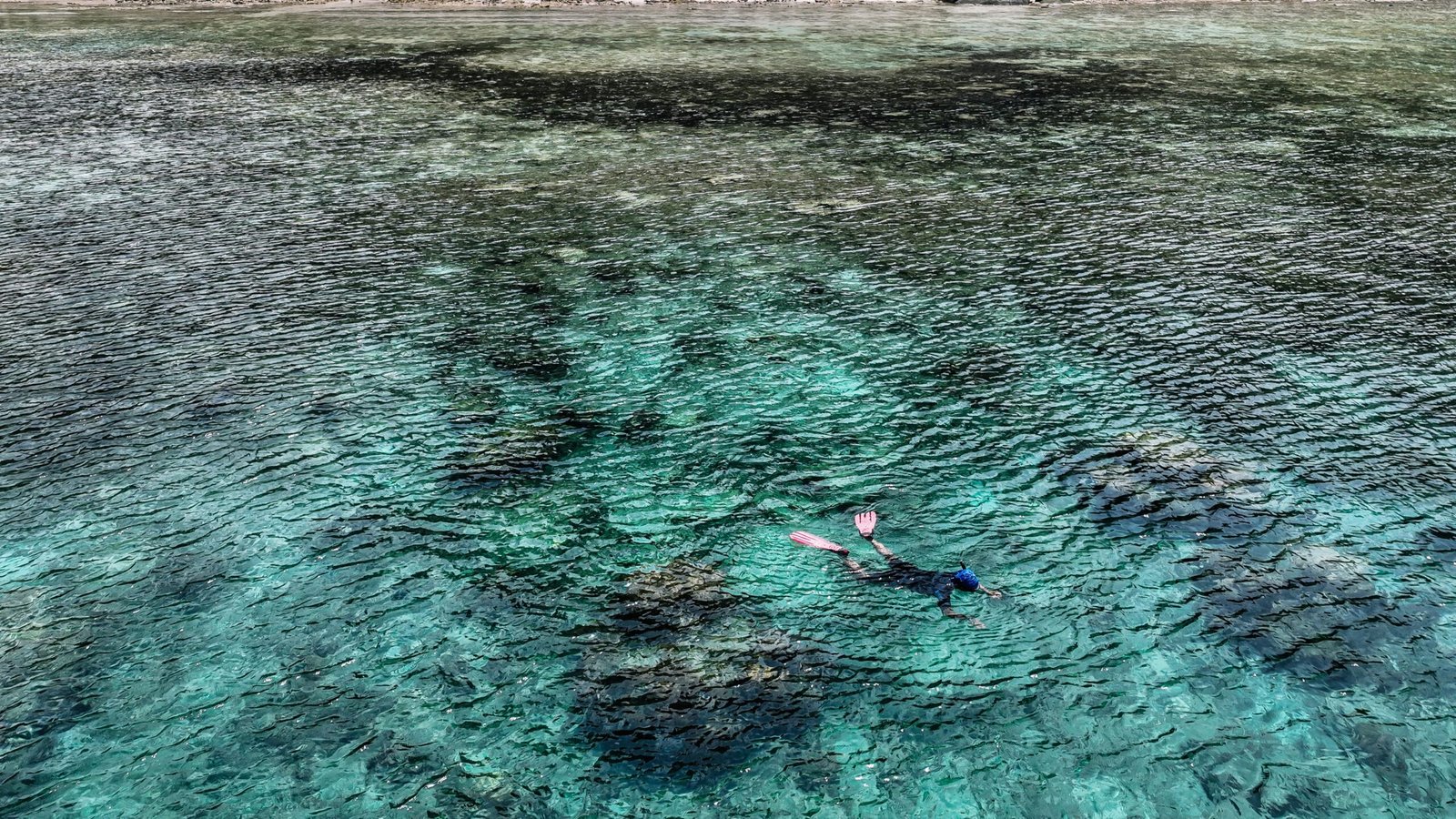
Marine activities require extra care. When snorkeling, keep all personal belongings securely stored and never take plastic packaging into the water unless necessary.
More importantly, do not leave anything behind on the reef or beach. Plastic waste can become a hazard for marine animals and can contribute to the degradation of coastal environments.
The marine ecosystem of Komodo National Park is one of the area’s major attractions, with diverse coral reefs and tropical marine life. Protecting that environment helps ensure future visitors can experience the same underwater beauty.
Make Sustainable Habits Part of Your Travel Routine
Reducing plastic waste should not stop when your island hopping adventure ends. Once you develop a few simple habits, you can apply them to other trips as well.
Carry your reusable bottle, keep a shopping bag in your luggage, avoid unnecessary packaging, and take responsibility for your own waste. These actions require very little effort but can gradually reduce the amount of disposable plastic you consume.
Furthermore, sustainable travel does not mean sacrificing comfort. With a little preparation, reusable alternatives can become just as convenient as disposable products.
Final Thoughts
Reducing plastic waste during an island hopping adventure does not require complicated changes. Start with practical steps: bring a reusable bottle, avoid unnecessary packaging, carry a reusable bag, keep your waste with you, and choose tourism providers that take environmental responsibility seriously. You can also review your day trip Komodo itinerary in advance to prepare the right reusable items for each activity.
These habits become particularly meaningful in Komodo National Park, where terrestrial and marine ecosystems require careful protection. The park’s conservation approach aims to balance tourism, biodiversity protection, and benefits for local communities.
Ultimately, responsible travel comes down to the choices you make throughout your journey. By reducing the plastic you bring and taking proper care of the waste you create, you can enjoy the incredible islands of Komodo while helping keep their beaches, reefs, and surrounding waters cleaner for future travelers.