Leave No Trace in Komodo: A Simple Guide for Responsible Island Hopping – Exploring Komodo National Park lets travelers experience dramatic landscapes, clear tropical waters, unique wildlife, and remote islands. From hiking across dry hills to snorkeling above colorful reefs, every activity creates a closer connection with nature. Reviewing your Day trip Komodo itinerary in advance can also help you prepare for each activity while making more responsible choices.
However, the beauty of these islands also comes with a responsibility. Remote destinations have limited facilities, while fragile ecosystems can take years to recover from damage. Therefore, practicing Leave No Trace principles can help travelers enjoy an island hopping adventure without leaving unnecessary impacts behind.
Responsible travel does not require complicated actions. Small habits, such as carrying your rubbish, avoiding coral contact, and respecting wildlife, can make a meaningful difference when many visitors follow them.
What Does Leave No Trace Mean?
Leave No Trace means exploring natural areas while minimizing the effects of your visit. Instead of treating an island as a temporary playground, travelers should treat it as a living environment that deserves protection.
The concept involves several practical principles, including planning ahead, disposing of waste properly, respecting wildlife, staying on appropriate paths, and leaving natural objects where you find them.
In Komodo National Park, these principles become particularly relevant because visitors move through sensitive terrestrial and marine environments.
Consequently, responsible island hopping starts before you even board the boat.
Plan Before You Leave
Good preparation can reduce unnecessary waste and prevent avoidable problems during your trip.
Before departing from Labuan Bajo, check your itinerary, weather forecast, boat facilities, and planned activities. Pack thoughtfully and avoid carrying unnecessary belongings.
For example, pack a reusable water bottle instead of purchasing multiple disposable bottles throughout the day. You can also bring reusable bags for personal belongings and snacks.
If your Komodo tour package includes meals and drinks, ask your operator about its approach to packaging and waste management.
This preparation makes responsible travel easier because you can avoid creating unnecessary rubbish from the beginning.
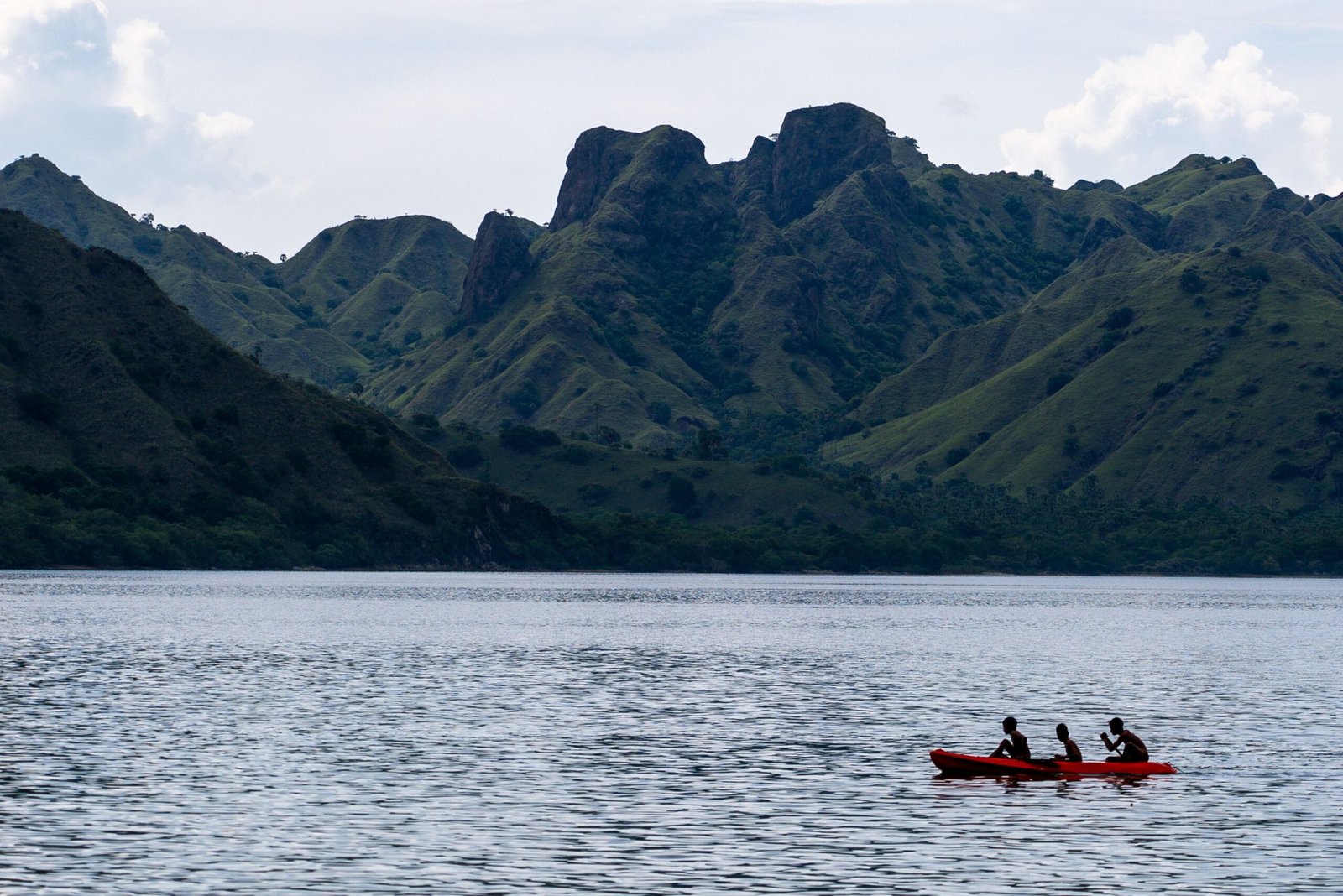
Read Also: Komodo National Park: Explore the Most Scenic Sailing Routes
Bring Reusable Items
Single use plastic can quickly accumulate during an island hopping trip.
A reusable bottle, food container, and shopping bag can help reduce the amount of disposable packaging you use.
Furthermore, carry a small dry bag or reusable pouch for personal waste. If you cannot find a suitable disposal facility immediately, keep the rubbish with you until you return to a place where it can be handled properly.
This habit becomes especially important when visiting remote beaches.
Never Leave Rubbish on the Islands
One of the simplest Leave No Trace rules is also one of the most important: take your waste with you.
Do not leave food wrappers, plastic bottles, tissues, cigarette butts, or other rubbish on beaches, trails, or boats.
Even a small piece of plastic can eventually reach the ocean. Marine animals may mistake waste for food or become entangled in it.
Therefore, check your belongings before leaving each destination. Look around your seating area and beach spot to make sure nothing remains behind.
Keep Plastic Away From the Ocean
Never throw rubbish into the sea. Even if an item appears biodegradable or insignificant, disposal at sea can still create environmental problems. Ocean currents can carry waste far from its original location.
Instead, store your rubbish securely on the boat.
If your operator provides separate waste containers, use them correctly. Otherwise, ask the crew where you should keep your personal waste.
A clean ocean benefits everyone, including the marine animals that make Komodo such an attractive destination.
Stay on Appropriate Trails
Some islands feature uneven terrain, steep hills, and natural vegetation. When hiking, follow designated or recommended paths rather than creating your own route.
Walking off trail can damage vegetation and disturb wildlife habitats.
Additionally, staying on established routes can reduce your own risk of slipping or becoming separated from the group.
When visiting Komodo or Rinca for wildlife activities, always follow the ranger’s instructions regarding where visitors can walk.
The goal is to explore the environment without unnecessarily altering it.
Leave Natural Objects Where You Find Them
A beautiful shell, unusual rock, coral fragment, or piece of driftwood may seem like a harmless souvenir.
However, natural objects form part of an ecosystem. Removing them repeatedly can gradually change the environment.
Therefore, take photographs instead of taking natural materials home.
This approach allows you to preserve the memory without physically removing something from the destination.
In addition, never collect coral or marine life while snorkeling.
Protect Coral Reefs
Komodo’s underwater environment represents one of the region’s most valuable natural attractions.
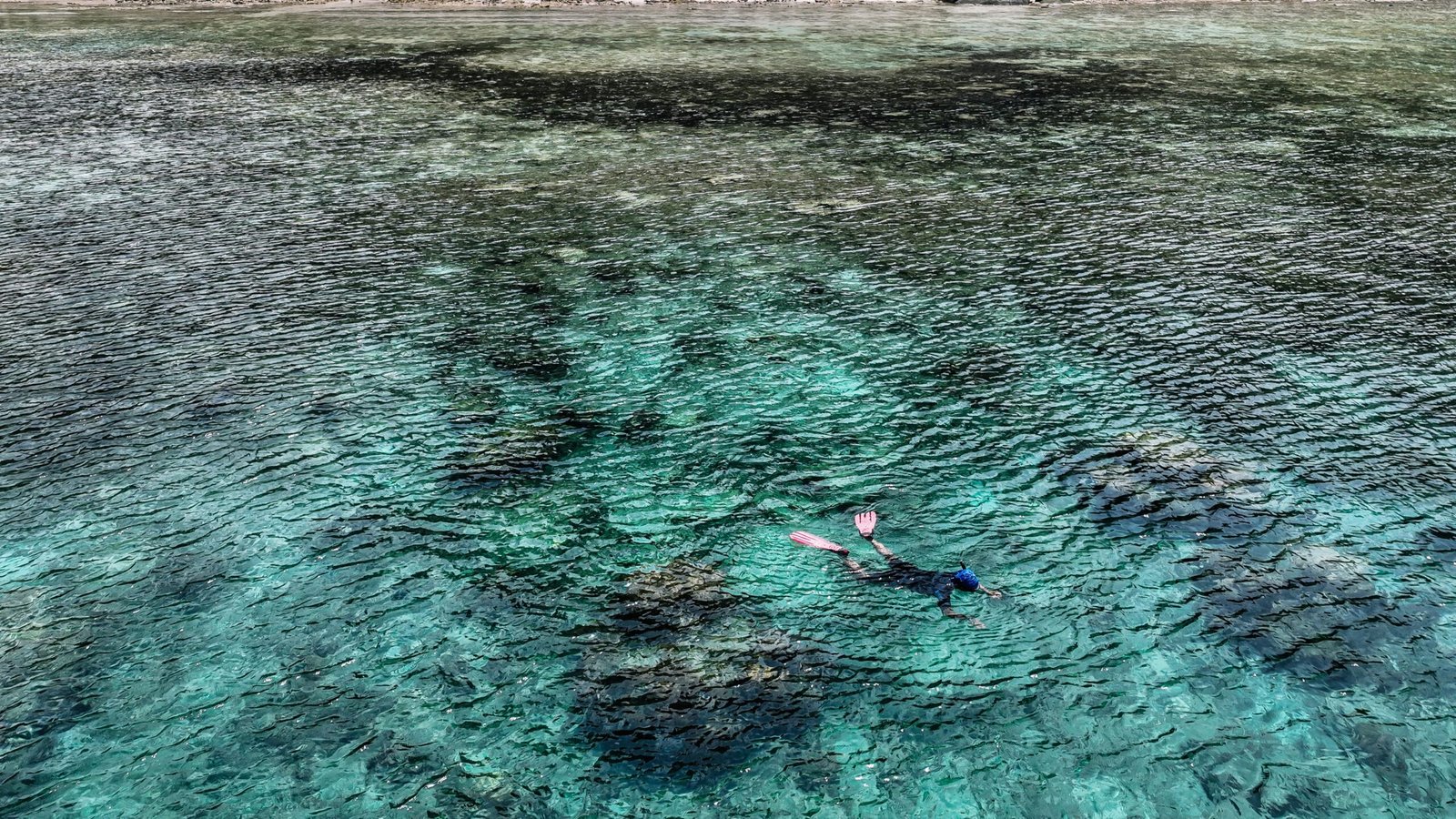
When snorkeling, avoid standing on coral or using reef structures to support yourself. Coral can be fragile and may take a long time to recover from physical damage.
Keep your fins under control and maintain enough distance from the reef.
If you are unfamiliar with snorkeling techniques, ask your guide for advice before entering the water.
A few simple adjustments to your swimming technique can help protect the reef while allowing you to enjoy it.
Do Not Touch Marine Animals
Underwater encounters can feel exciting, especially when you see turtles, manta rays, colorful fish, or other marine life.
Nevertheless, resist the temptation to touch or chase them.
Allow animals to move freely and observe them from a respectful distance. Avoid blocking their path or trying to force them closer for photographs.
This approach reduces stress on wildlife and creates a more natural encounter.
Moreover, you may discover that simply watching an animal behave naturally provides a more rewarding experience than trying to interact with it.
Watch Wildlife Without Disturbing It
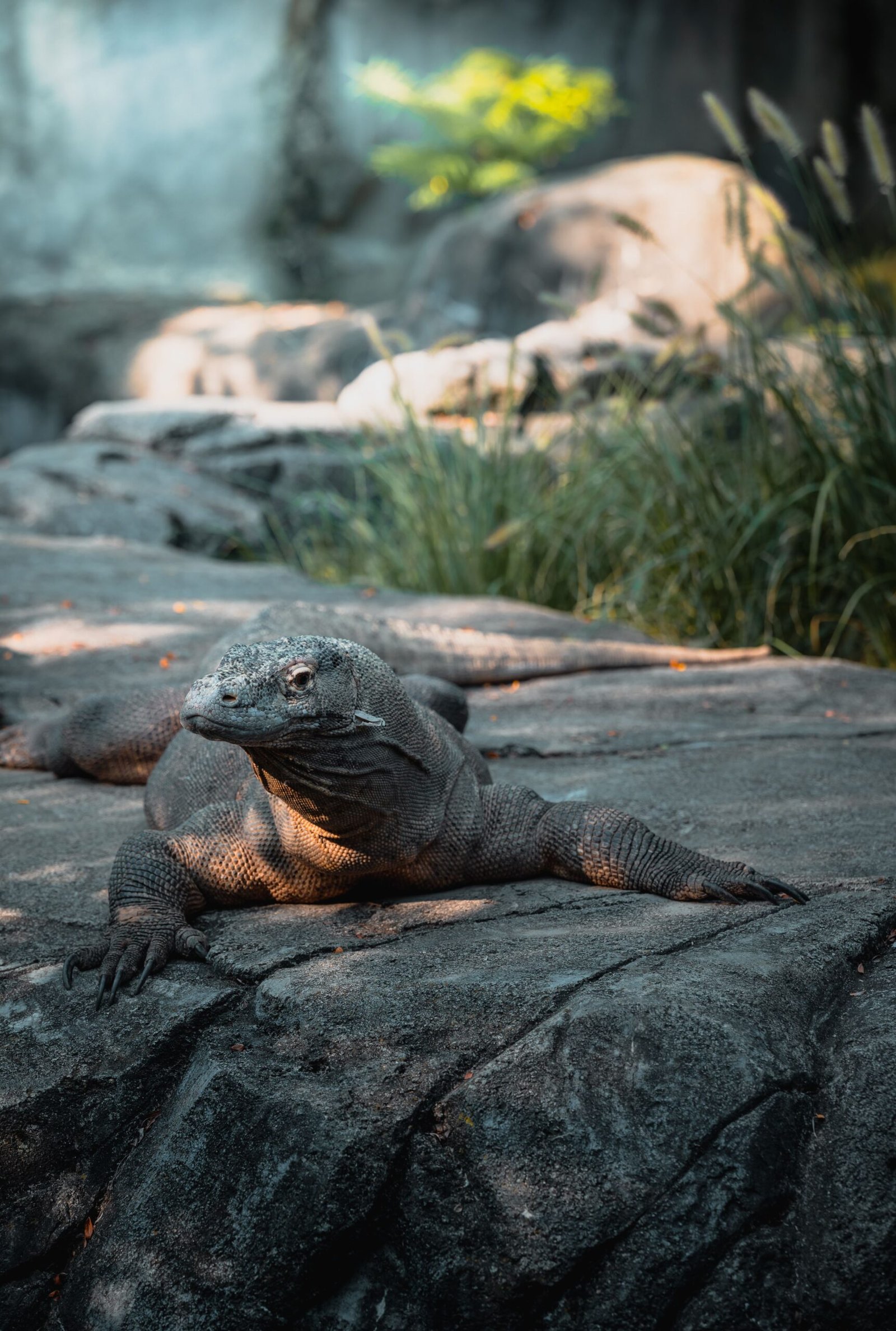
The same principle applies on land. Komodo dragons are wild predators, not domesticated animals. Visitors should never approach, feed, provoke, or attempt to touch them.
Stay with your group and listen carefully to your ranger.
If an animal moves away, allow it to leave. Do not follow it simply because you want a better photograph.
Responsible wildlife viewing means allowing animals to maintain their normal behavior.
Keep Noise Under Control
Natural environments can become surprisingly noisy when large groups of visitors gather.
Avoid shouting, playing loud music, or making unnecessary sounds to attract wildlife.
A quieter approach benefits both animals and other travelers.
Furthermore, reducing noise can help you notice subtle sounds from birds, insects, waves, and other parts of the environment.
Therefore, silence is not only an environmental choice; it can also improve your experience.
Be Careful With Food
Food can attract animals if travelers leave it exposed.
Keep snacks and meals securely stored and avoid feeding wildlife under any circumstances.
Animals that begin associating people with food may change their natural behavior and become more likely to approach visitors.
Instead, eat in designated areas when your operator or ranger recommends them.
Afterward, check the area carefully for crumbs or packaging before moving on.
Choose Responsible Tour Operators
Your behavior matters, but your choice of operator also influences the environmental impact of your trip.
Before booking a Komodo tour package, ask how the company manages rubbish, handles wildlife encounters, and protects marine areas.
You can also ask whether the crew follows park regulations and how they respond to changing weather and sea conditions.
A responsible operator should prioritize environmental protection rather than encouraging visitors to get as close as possible to wildlife or visit destinations regardless of conditions.
Choosing responsible businesses helps support better tourism practices throughout the region.
Respect Local Communities
Leave No Trace also applies to cultural environments.
Some islands and coastal areas around Labuan Bajo are connected to local communities. When visiting villages, behave respectfully and remember that you are entering a place where people live and work.
Ask permission before photographing individuals, avoid entering private areas, and follow local instructions.
Additionally, consider purchasing locally produced food, crafts, or services when appropriate.
Responsible tourism should benefit both nature and the communities connected to the destination.
Avoid Unnecessary Single-Use Products
Before your Day trip Komodo itinerary begins, consider which disposable items you can replace with reusable alternatives.
For example, bring:
- A reusable drinking bottle
- A reusable shopping bag
- A refillable toiletry container
- A reusable food container
- A small dry bag for waste
You do not need to eliminate every disposable product. Instead, focus on practical changes that reduce unnecessary consumption.
Small choices become more significant when thousands of visitors make them.
Be Flexible With Your Route
Nature does not operate according to a fixed schedule.
Weather, tides, wind, and sea conditions can change throughout the day. Your captain or guide may therefore recommend changing the route or skipping a destination.
Accept these changes rather than insisting on completing every planned stop.
A flexible attitude supports responsible tourism because it allows operators to prioritize safety and environmental conditions.
Furthermore, an unexpected change can introduce you to a different part of Komodo that you may not have originally considered.
Use Photography Responsibly
Photography helps travelers preserve memories, but it should never disturb wildlife or damage the environment.
Do not step into restricted areas for a better angle, move natural objects to improve a composition, or approach wildlife unnecessarily.
Instead, work with the environment as you find it.
A good photograph should document the destination without requiring you to change it.
This principle becomes particularly important when photographing Komodo dragons and marine animals.
Keep Your Boat Clean
Leave No Trace applies to the boat as well as the islands.
Keep your personal belongings organized and dispose of rubbish in the appropriate containers.
Do not throw food scraps, plastic, or other materials overboard.
If you notice waste on the boat, ask the crew where it should go rather than assuming that someone else will handle it.
Maintaining a clean boat creates a better experience for everyone while reducing the risk of waste entering the sea.
Teach Others Through Your Actions
Responsible travel can influence the people around you.
When your travel companions see you carrying reusable items, keeping rubbish with you, and respecting wildlife, they may naturally follow your example.
You can also remind friends politely when they forget an environmental rule.
However, focus on cooperation rather than criticism.
A positive approach makes sustainable habits easier to adopt and creates a better atmosphere for the entire group.
Read Also: Komodo Photography Tips: How to Take Great Photos With Your Phone
Why Leave No Trace Matters in Komodo
Komodo National Park attracts visitors because of its exceptional natural environment. The same landscapes and marine ecosystems that make the destination popular also require careful protection.
If tourism continues to grow without responsible practices, waste, physical damage, wildlife disturbance, and other pressures can increase.
Leave No Trace principles offer a simple way for individual travelers to reduce their contribution to these problems.
You do not need to become a conservation expert. You simply need to think about what you bring, how you behave, and what you leave behind.
A Simple Leave No Trace Checklist
Before finishing your trip, remember these basic principles:
- Plan ahead — Understand your itinerary and prepare appropriate supplies.
- Carry reusable items — Reduce unnecessary single-use plastic.
- Pack out your waste — Take rubbish with you when disposal facilities are unavailable.
- Stay on appropriate paths — Avoid damaging vegetation and wildlife habitats.
- Leave natural objects behind — Take photographs instead of souvenirs from nature.
- Respect wildlife — Observe animals without feeding, touching, or chasing them.
- Protect coral — Keep your body and fins away from reef structures.
- Respect communities — Follow local customs and ask permission when appropriate.
- Follow your guide — Listen to rangers and boat crews throughout the journey.
These actions are simple, practical, and achievable for almost every traveler.
Final Thoughts
Practicing Leave No Trace during an island hopping adventure does not mean giving up the fun of exploring Komodo National Park. Instead, it encourages you to experience the destination with greater awareness.
Carry your rubbish, reduce plastic use, stay on appropriate trails, protect coral reefs, and give wildlife plenty of space. At the same time, choose responsible tour operators and respect local communities.
When planning your Komodo tour package, look beyond the destinations and activities. Consider how the operator manages waste, protects wildlife, and responds to environmental conditions.
Ultimately, responsible travel comes down to a simple idea: enjoy the islands without leaving unnecessary traces behind. By adopting these habits during your Komodo day trip, you can help keep the beaches, reefs, forests, and wildlife of Komodo beautiful for the travelers who come after you.