Manta Point Komodo: Swimming with Giant Manta Rays Experience Guide – Manta Point is one of the most exciting stops in Komodo National Park, offering a rare opportunity to swim alongside giant manta rays in their natural habitat. For many travelers visiting Labuan Bajo, this experience becomes a highlight of their entire trip.
Unlike typical snorkeling spots, Manta Point delivers something truly special. It combines adventure, wildlife encounters, and breathtaking underwater scenery into one unforgettable moment. If you are planning a Komodo trip, understanding what to expect at Manta Point will help you make the most of your experience.
What Makes Manta Point So Special
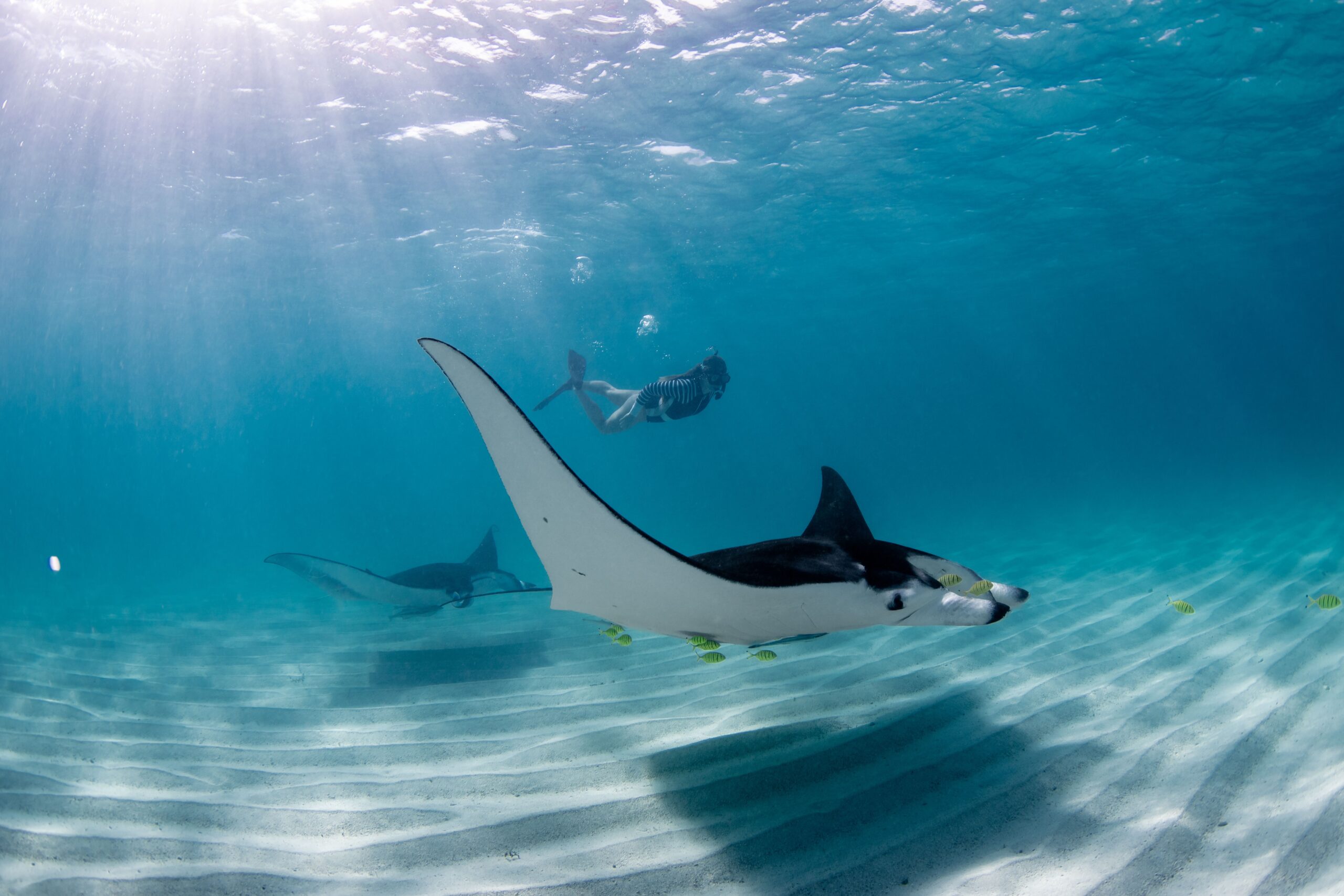
Manta Point is known as a cleaning station where manta rays gather to have parasites removed by smaller fish. Because of this natural behavior, the chances of encountering manta rays here are relatively high.
These graceful creatures can grow up to several meters in width, yet they move through the water with surprising elegance. Watching them glide effortlessly beneath you creates a sense of calm and awe at the same time.
What makes this experience even more memorable is that you are observing them in the wild. There are no enclosures or artificial settings just pure nature.
Read Also: How to Get to Labuan Bajo: Routes, Costs, and Travel Tips
How to Get to Manta Point
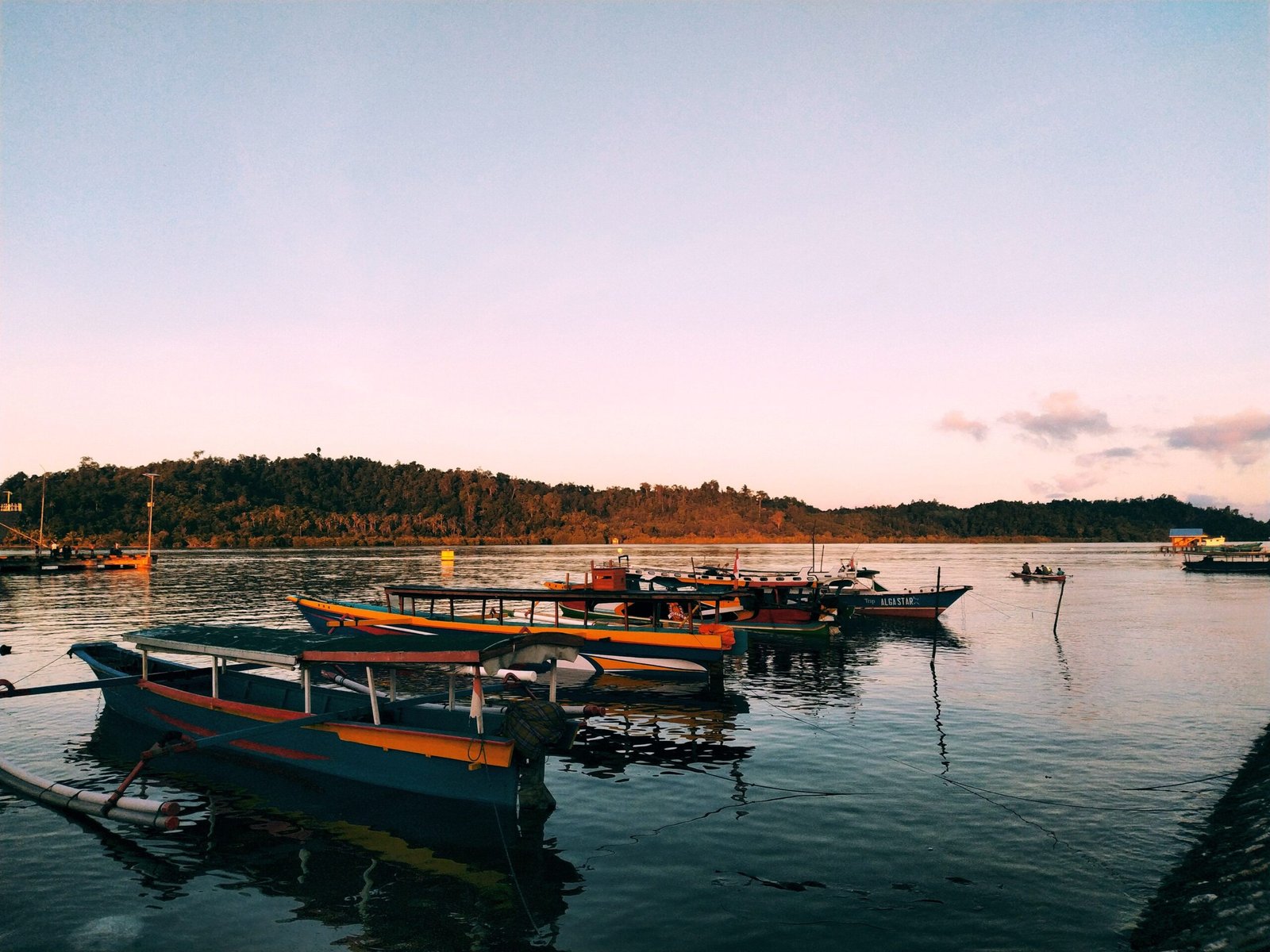
Manta Point can only be reached by boat from Labuan Bajo. Most travelers visit it as part of:
- Full day Komodo trips
- Open group tours
- Private island-hopping tours
- Multi-day liveaboard experiences
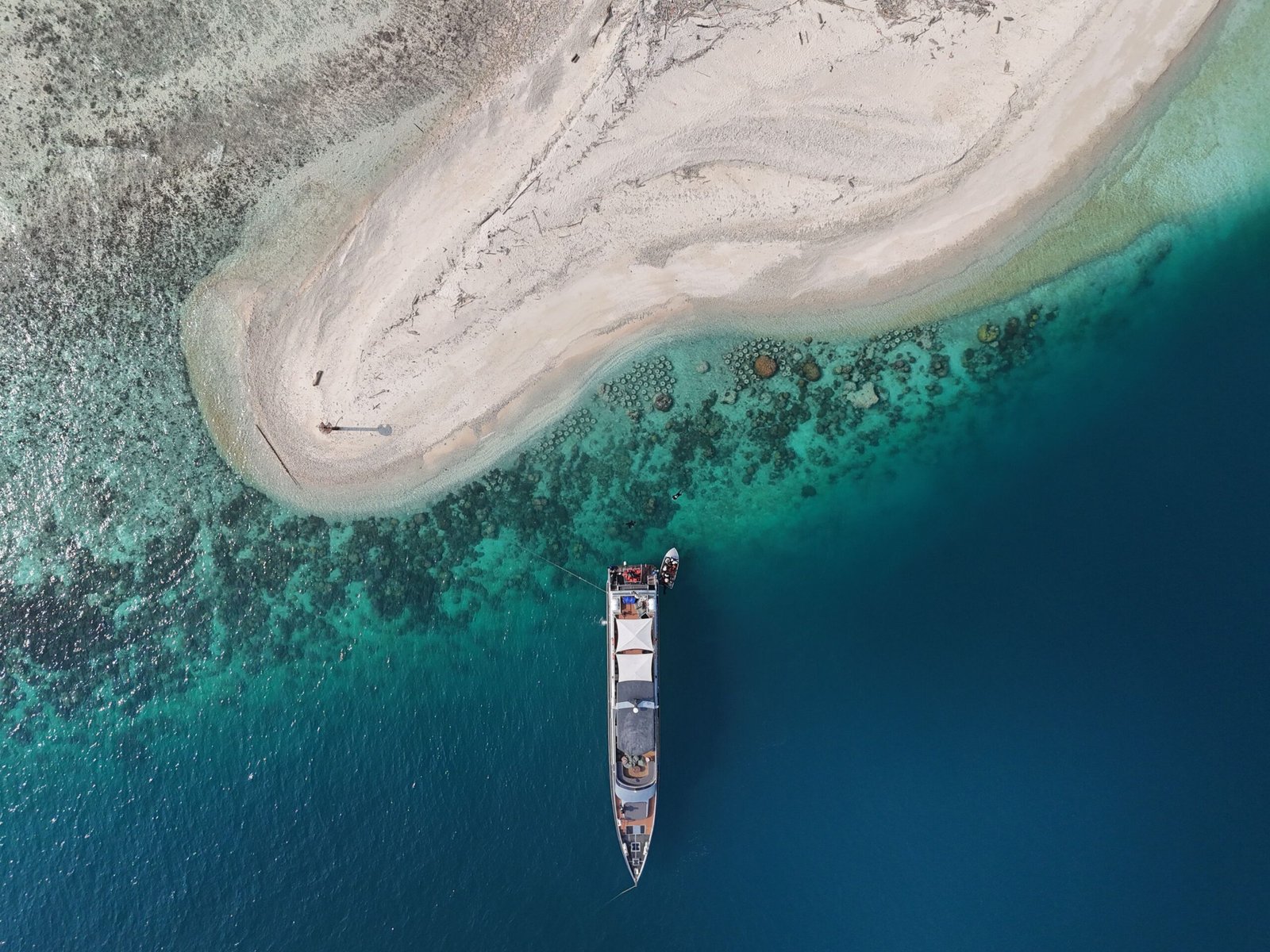
The boat journey itself is part of the adventure. As you travel across the open sea, you will pass by small islands, clear waters, and dramatic landscapes that set the tone for the experience ahead.
When Is the Best Time to Visit
Timing plays an important role in your chances of seeing manta rays. The dry season, from April to October, is widely considered the best time to visit. During this period, the sea is generally calmer, making snorkeling conditions more comfortable.
However, manta rays can be spotted throughout the year. The key factor is water conditions and currents, which influence their movement. Morning trips are often recommended, as the sea tends to be calmer and visibility is usually better.
What the Experience Feels Like
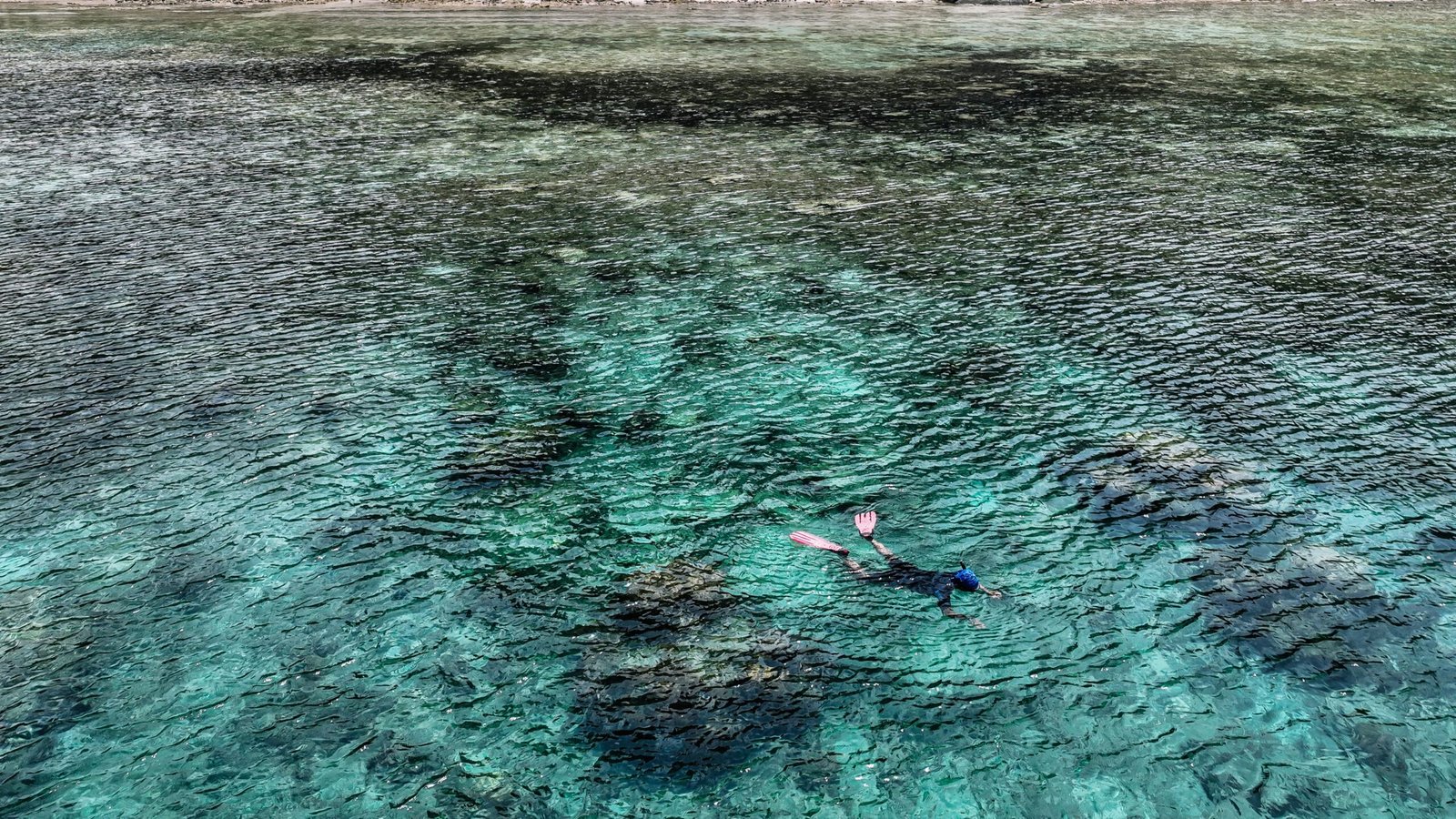
Arriving at Manta Point is both exciting and slightly nerve wracking, especially if it is your first time snorkeling in open water. Once you enter the water, everything changes. The underwater world opens up, and you may suddenly see a manta ray gliding beneath you.
Even with their impressive size, manta rays are completely harmless to people. They feed on plankton and pose no threat, allowing you to enjoy the experience with confidence. Many travelers describe the moment as peaceful and almost surreal. Watching these giant creatures move gracefully through the water is something that stays with you long after the trip ends.
Step by Step Itinerary at Manta Point
Understanding the typical flow of the visit can help you feel more prepared.
Arrival and Briefing
Your guide will provide a safety briefing before you enter the water. This includes instructions on where to swim and how to behave around the manta rays.
Entering the Water
You will enter the water slowly, usually from the side of the boat. Life jackets are often provided for additional safety.
Snorkeling Session
Once in the water, you will float and observe the surroundings. If manta rays are nearby, your guide will direct you to the best viewing spots. It is important to stay calm and avoid sudden movements to ensure a safe and respectful interaction.
Return to the Boat
After the session, you will return to the boat to rest, hydrate, and continue your journey to the next destination.
Important Tips for Swimming with Manta Rays
To make your experience safe and enjoyable, keep these practical tips in mind:
- Wear a life jacket if you are not a confident swimmer.
- Stay close to your guide throughout the activity.
- Avoid any contact with the manta rays and do not chase them.
- Move slowly and calmly in the water.
- Bring a waterproof camera to capture the moment.
These simple preparations can help create a smooth and enjoyable experience.
Read Also: Komodo Island: A Unique Destination to See Komodo Dragons in the Wild
Safety and Environmental Awareness
Respecting the environment is essential when visiting Manta Point. Manta rays are protected species, and responsible tourism plays a key role in their conservation. By following guidelines and maintaining a respectful distance, you help preserve their natural habitat.
In addition, always listen to your guide’s instructions. Conditions at sea can change quickly, and professional guidance ensures your safety at all times.
Why Manta Point Is a Must Visit
Manta Point offers something that few destinations in the world can provide, a chance to swim with giant marine creatures in the wild.
It is not just about the activity itself, but the feeling it creates. The combination of open ocean, clear water, and majestic manta rays makes the experience truly unforgettable.
Final Thoughts
Visiting Manta Point is more than just another stop on your Komodo itinerary, it is a moment that defines the entire journey. From the anticipation of entering the water to the awe of seeing manta rays up close, every step feels meaningful.
If you are planning a trip to Labuan Bajo, make sure Manta Point is included in your itinerary. It offers a rare and powerful connection with marine life that you will remember for years to come.
For travelers seeking adventure, beauty, and unforgettable encounters, Manta Point stands out as one of the most extraordinary experiences in Komodo National Park.