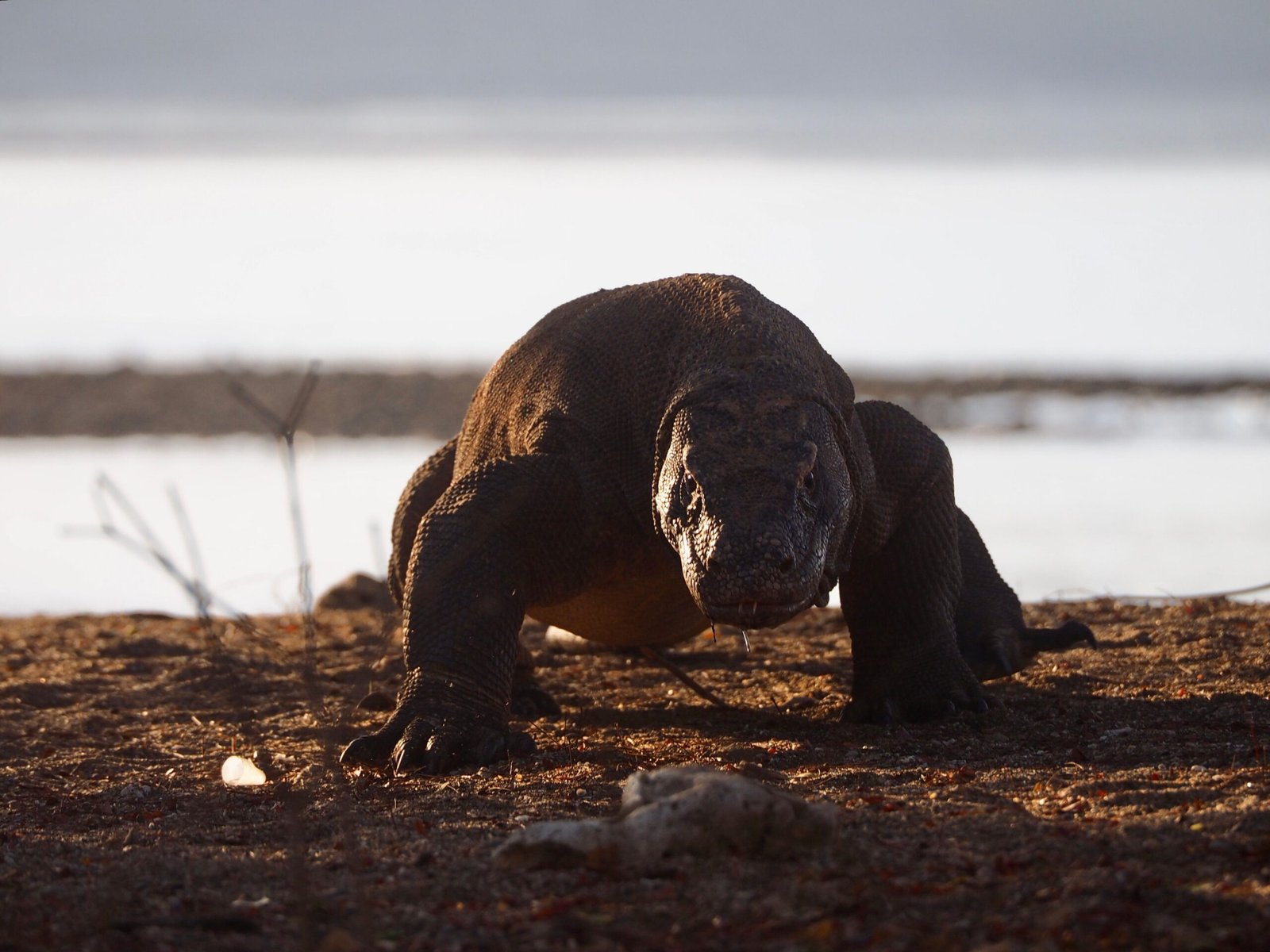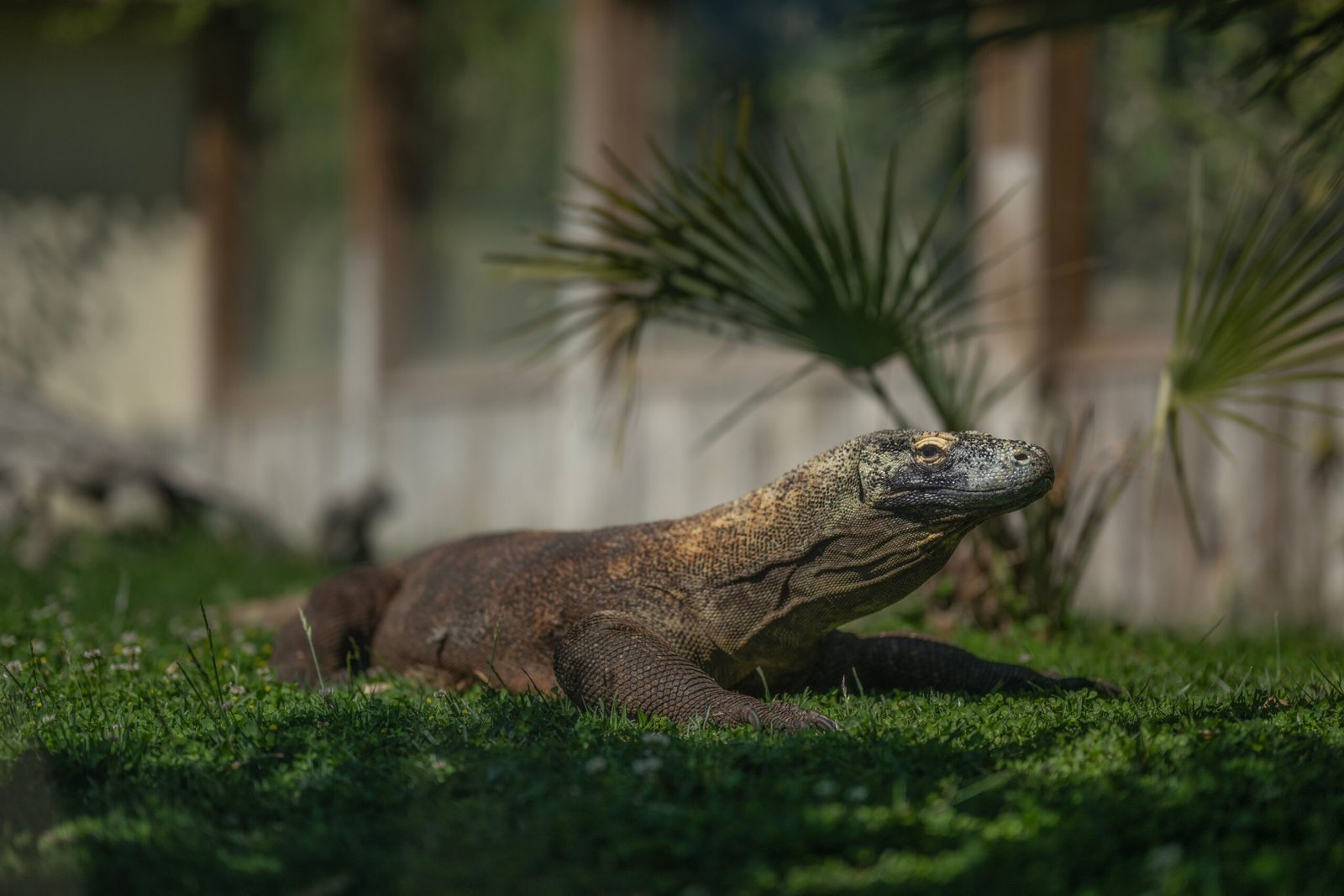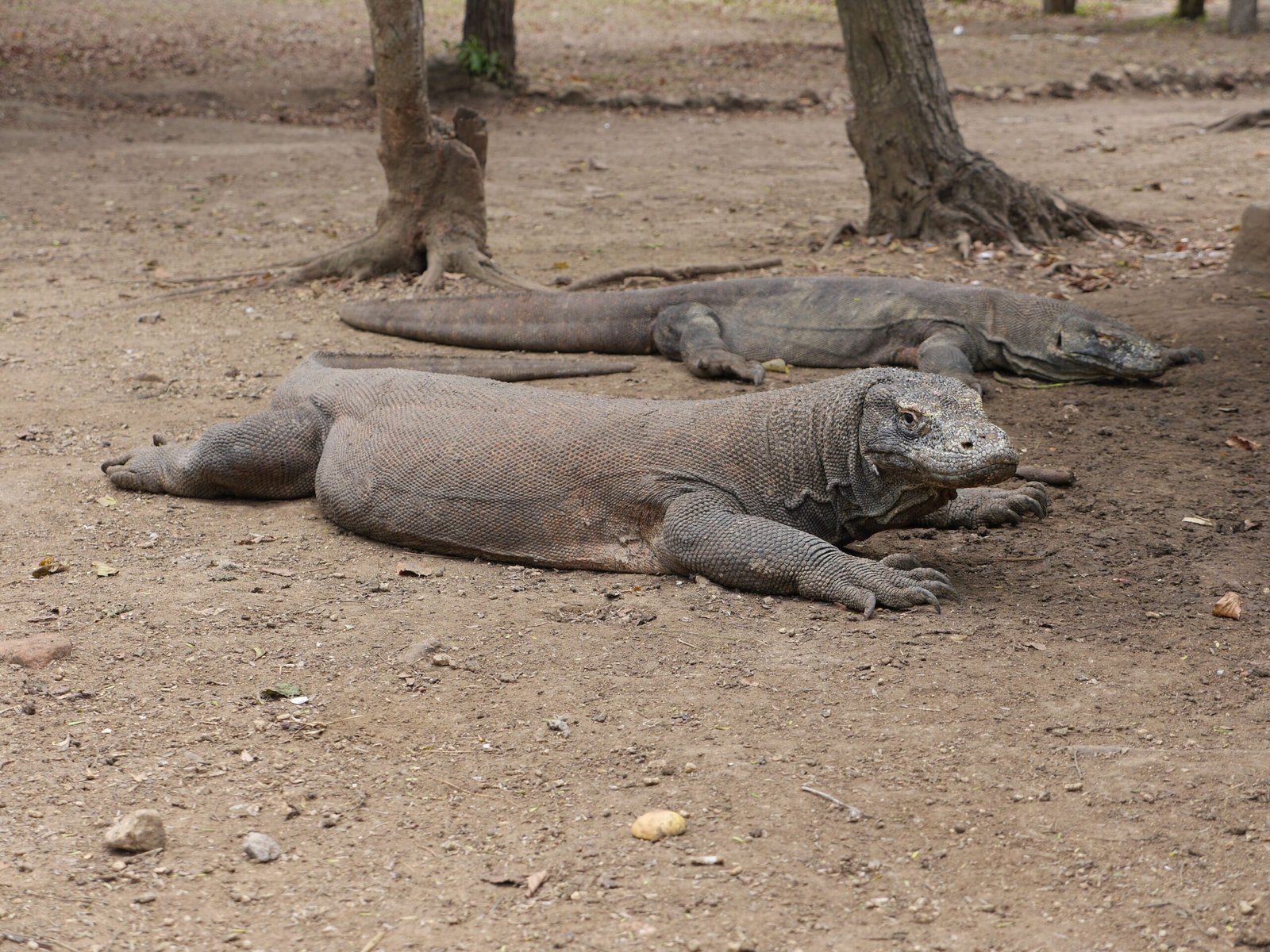
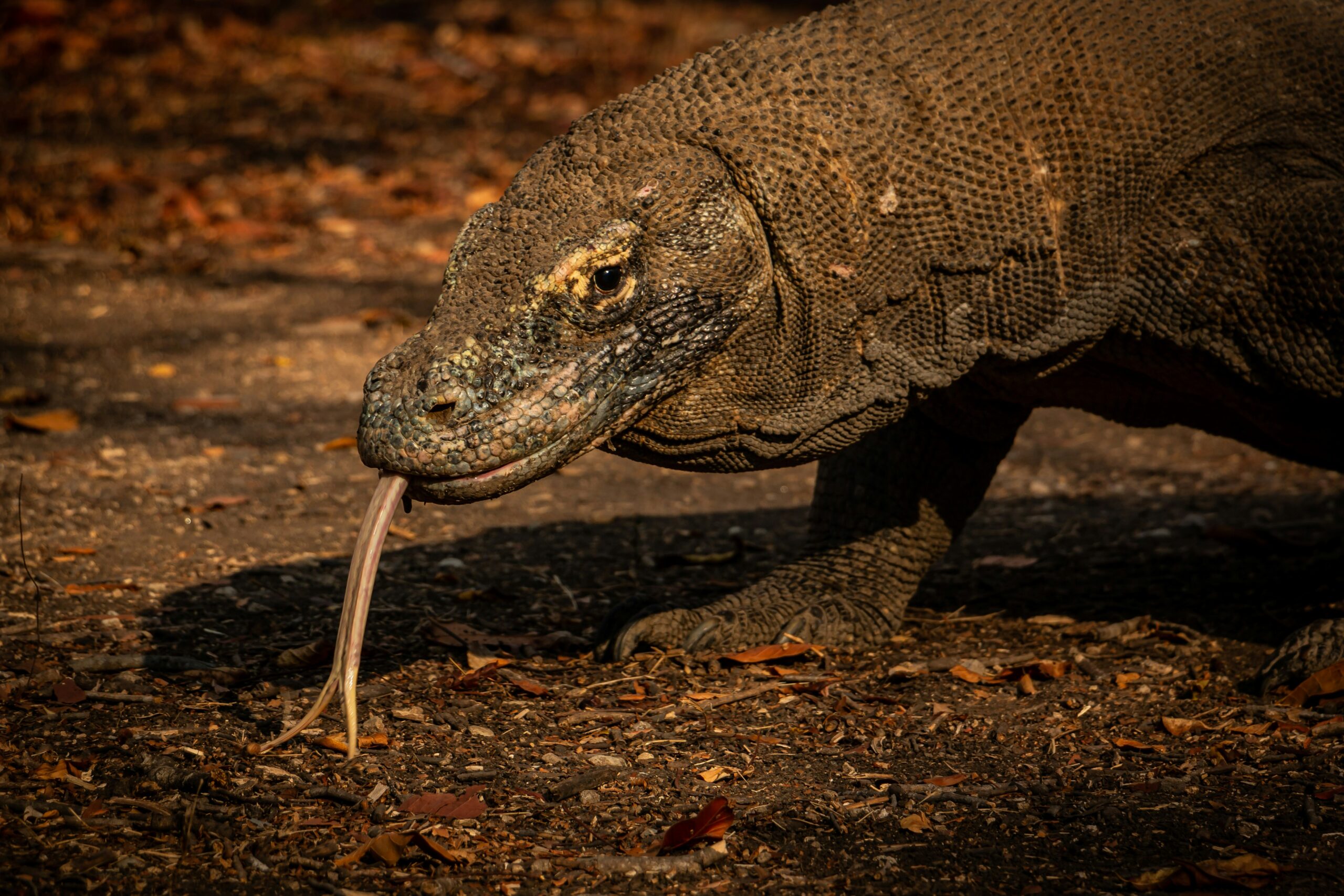
Protecting Komodo Dragons: Responsible Wildlife Tourism Guidelines – Komodo dragon are among the most extraordinary wildlife species on Earth. As the largest living lizards in the world, they have become the symbol of Komodo National Park and one of Indonesia’s most valuable natural treasures.
Each year, visitors from around the globe travel to Komodo National Park for the rare opportunity to observe Komodo dragons living freely in the wild. While tourism provides economic benefits and raises awareness about conservation, it also creates responsibilities for everyone who visits the park.
Protecting Komodo dragons requires a balance between tourism and conservation. By practicing responsible wildlife tourism, travelers can enjoy unforgettable encounters while helping preserve these remarkable reptiles and their habitat for future generations.
Why Protecting Komodo Dragons Is Important
Komodo dragons play a crucial role in maintaining the ecological stability of the islands they inhabit. As apex predators, they help regulate animal populations and contribute to the overall health of the ecosystem.
However, like many wildlife species, Komodo dragons face several challenges that can affect their habitat and long-term survival, including:
- Human disturbance
- Habitat degradation
- Environmental changes
- Unsustainable tourism activities
As tourism continues to grow in popularity, responsible visitor behavior has become increasingly important in supporting long-term conservation goals.
Read Also: Padar Island Guide: Why It’s Komodo’s Most Iconic Destination
Understanding Responsible Wildlife Tourism
Responsible wildlife tourism focuses on minimizing negative impacts on animals while providing meaningful and educational experiences for visitors.
Responsible tourism in Komodo National Park involves several important practices, including:
- Respect wildlife habitats
- Follow park regulations
- Observe animals ethically
- Support conservation initiatives
- Minimize environmental impact
When followed consistently, these practices help create a safer and more sustainable environment for animals and travelers alike.
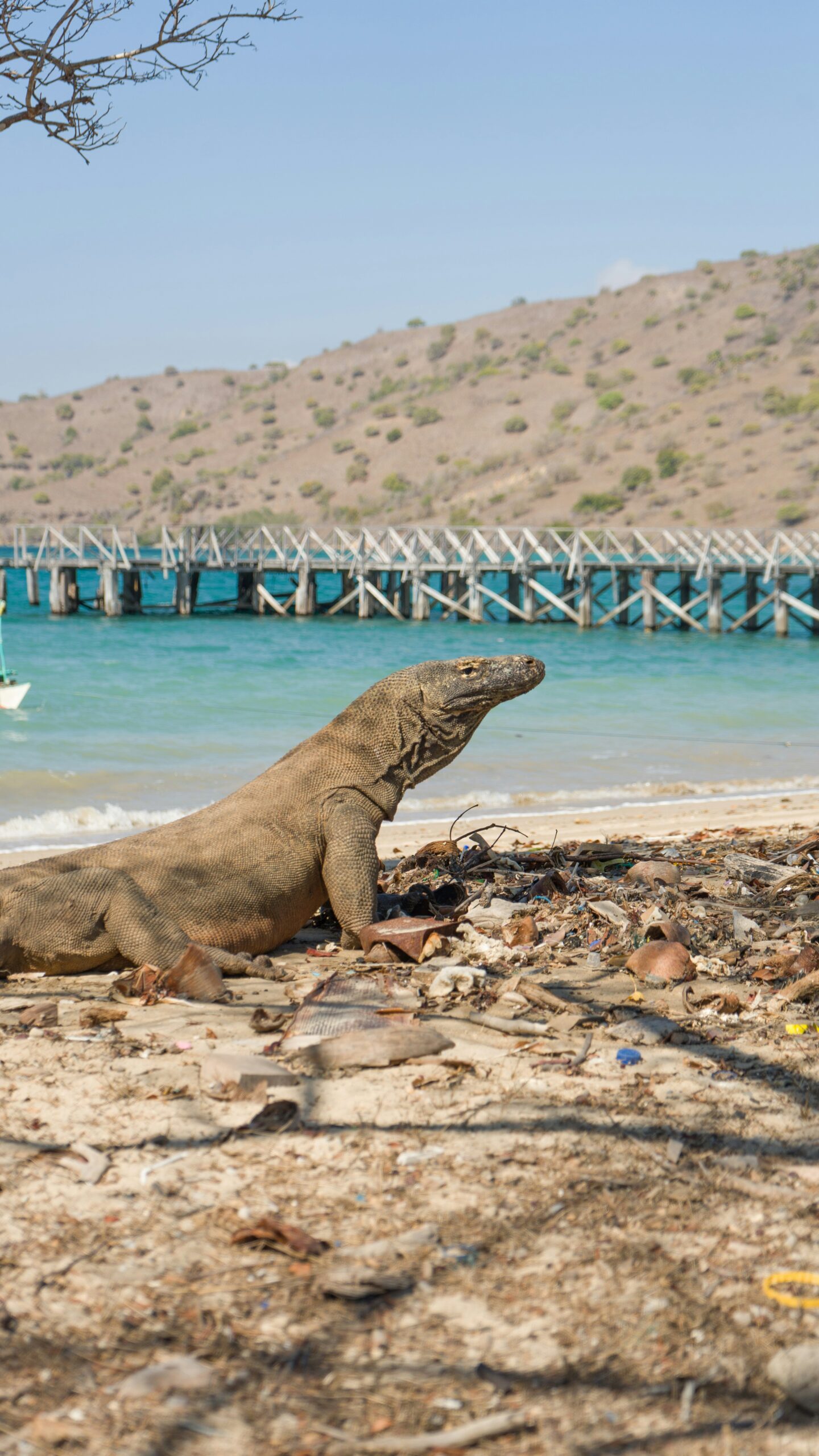
Always Follow Ranger Instructions
Following the instructions of park rangers is essential for ensuring a safe and responsible visit to Komodo National Park.
Visitors exploring destinations such as Komodo Island and Rinca Island are required to participate in guided trekking activities accompanied by trained rangers.
Rangers are responsible for:
- Monitoring visitor safety
- Observing wildlife activity
- Providing educational information
- Enforcing park regulations
With their extensive knowledge of the park, rangers help maintain safe and responsible wildlife interactions.
Maintain a Respectful Distance
Observing Komodo dragons from a safe distance is essential for responsible wildlife tourism.
Getting too close to wildlife may:
- Cause stress to the animals
- Disrupt natural behavior
- Increase safety risks
- Affect the quality of wildlife encounters
Viewing Komodo dragons from a respectful distance enables visitors to appreciate their natural behavior without causing unnecessary interference. Responsible wildlife tourism prioritizes the well-being of animals over close interactions or photo opportunities.
Never Feed Wildlife
Feeding Komodo dragons or other wildlife is strongly discouraged.
Providing food to wild animals can:
- Alter natural hunting instincts
- Encourage dependence on humans
- Increase aggressive behavior
- Create safety concerns
Wildlife should remain dependent on natural food sources to maintain healthy behaviors and ecological functions. For this reason, visitors should never attempt to feed, lure, or attract animals during their visit.
Stay on Designated Trails
The trekking routes within Komodo National Park are carefully designed to protect both visitors and sensitive wildlife habitats.
Leaving marked trails may:
- Disturb nesting areas
- Damage vegetation
- Increase erosion
- Create unnecessary risks
Following designated routes reduces disturbance to sensitive habitats and promotes a more responsible travel experience.
Avoid Loud Noise and Disruptive Behavior
Wildlife encounters are often more rewarding when visitors remain quiet and respectful.
Excessive noise can:
- Disturb animals
- Interrupt natural activities
- Affect other visitors’ experiences
Visitors are encouraged to remain calm and minimize noise while watching Komodo dragons and other wildlife. A quiet environment allows visitors to enjoy more authentic wildlife encounters while reducing stress on animals.
Respect the Entire Ecosystem
Responsible wildlife tourism extends beyond protecting Komodo dragons alone. Komodo National Park contains a wide range of ecosystems, including:
- Coral reefs
- Mangrove forests
- Savanna landscapes
- Coastal habitats
- Marine ecosystems
These environments support countless species that depend on a healthy ecosystem for survival. Protecting the broader ecosystem is essential for preserving the biodiversity that makes Komodo National Park unique.
Support Sustainable Tourism Operators
Choosing responsible tour providers is another important way travelers can contribute to conservation efforts.
Many sustainable tourism operators:
- Educate visitors about wildlife protection
- Follow environmental guidelines
- Reduce plastic waste
- Support local communities
- Promote conservation awareness
Choosing environmentally responsible operators helps promote tourism practices that prioritize conservation and community well being.
Reduce Your Environmental Impact
Small actions taken by visitors can collectively make a significant difference.
Travelers can reduce their environmental footprint by:
- Carrying reusable water bottles
- Avoiding single use plastics
- Disposing of waste properly
- Using reef safe sunscreen
- Respecting protected areas
Environmentally conscious travel choices contribute to the preservation of the park’s landscapes, wildlife, and marine ecosystems.
Learn About Conservation Before Your Visit
Understanding conservation issues before arriving in Komodo can enhance your travel experience.
Visitors can learn about:
- Komodo dragon behavior
- Wildlife conservation efforts
- National park regulations
- Sustainable tourism practices
- Local environmental challenges
A better understanding of conservation issues often encourages more thoughtful and responsible travel decisions.
How Responsible Tourism Supports Conservation
When developed sustainably, tourism can play a significant role in supporting wildlife protection and habitat preservation.
Revenue generated through tourism helps fund:
- Wildlife monitoring programs
- Ranger operations
- Habitat protection initiatives
- Environmental education projects
- Conservation research
Visitors who embrace responsible tourism practices actively support these conservation initiatives. At the same time, sustainable tourism creates positive impacts for both local communities and the natural environment.
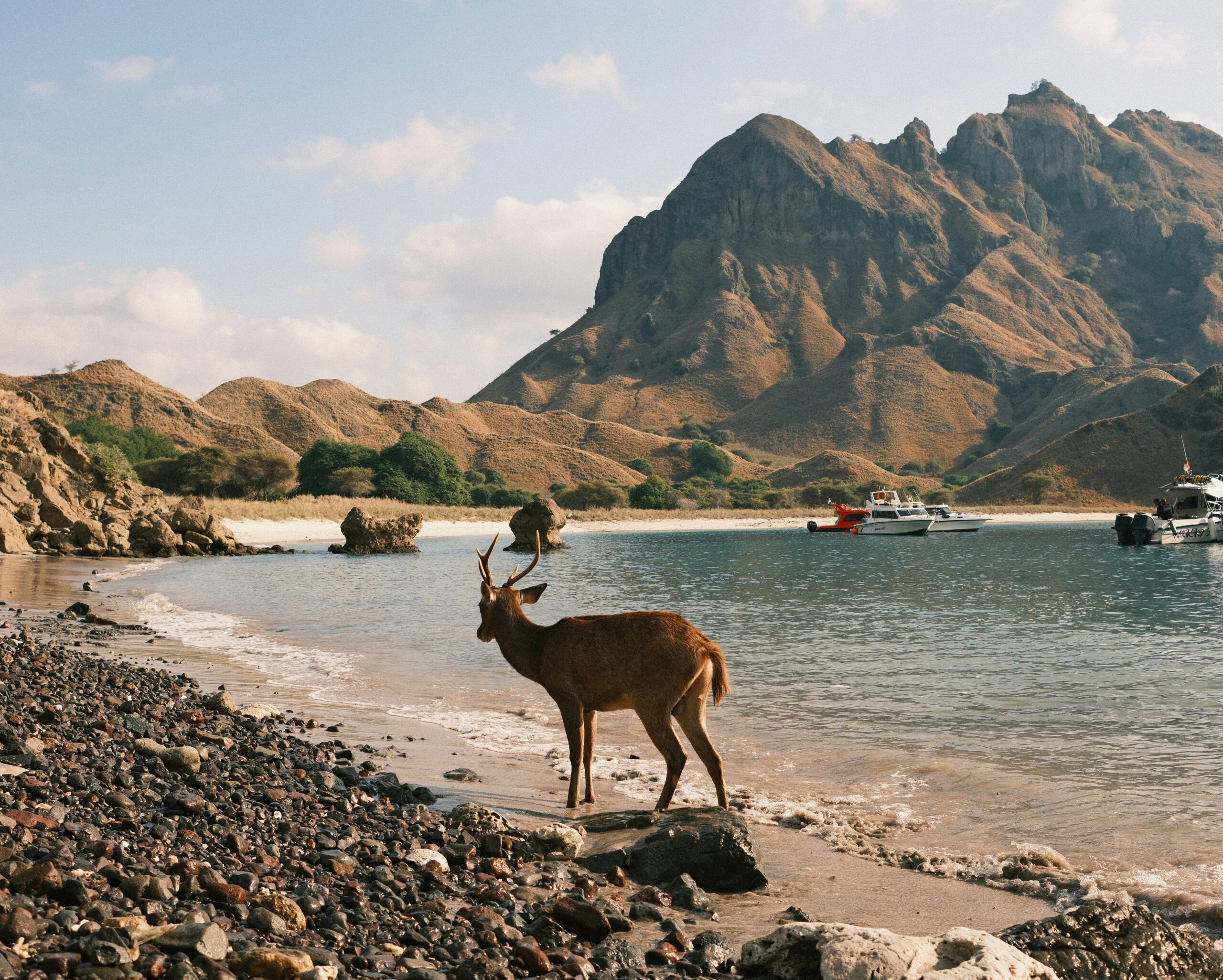
Read Also: Pink Beach Visitor Guide: Essential Information Before You Go
The Future of Komodo Conservation
Safeguarding Komodo dragons for future generations requires a collective effort from conservation groups, government agencies, local communities, tourism businesses, and travelers.
As tourism continues to grow, responsible travel choices will become even more important. Every traveler has the opportunity to contribute to conservation by respecting wildlife, protecting natural habitats, and supporting sustainable tourism initiatives.
Even simple actions taken by visitors can contribute significantly to preserving this extraordinary wildlife destination.
Final Thoughts
Komodo dragon are among the most remarkable reptiles on the planet, and protecting them requires a shared commitment from everyone who visits their habitat.
By maintaining a respectful distance, following rangerinstructions, stayingon designatedtrails, and supporting sustainable tourism practices, travelers can help preserve both Komodo dragons and the ecosystems they depend on.
Through mindful and responsible travel, visitors can help ensure that Komodo dragons and their unique habitat remain protected for generations to come while preserving the extraordinary experiences that make Komodo National Park one of Indonesia’s most treasured natural destinations.