Responsible Travel Tips for Visiting Komodo National Park – Visiting Komodo National Park offers an opportunity to experience some of Indonesia’s most remarkable landscapes and wildlife. From observing Komodo dragons in the wild to exploring colorful coral reefs underwater, the journey gives travelers a closer look at the region’s diverse natural environment. However, experiencing this natural beauty also means taking responsibility for protecting it. As a protected area and UNESCO World Heritage Site, Komodo National Park needs visitors to travel carefully and respect its natural environment.
Traveling responsibly allows you to enjoy the destination while helping protect its environment and cultural heritage. Instead, it means making thoughtful choices that reduce your impact while supporting conservation and local communities. With a few simple habits, you can enjoy your trip while helping protect the destination for future generations.
Respect the Wildlife
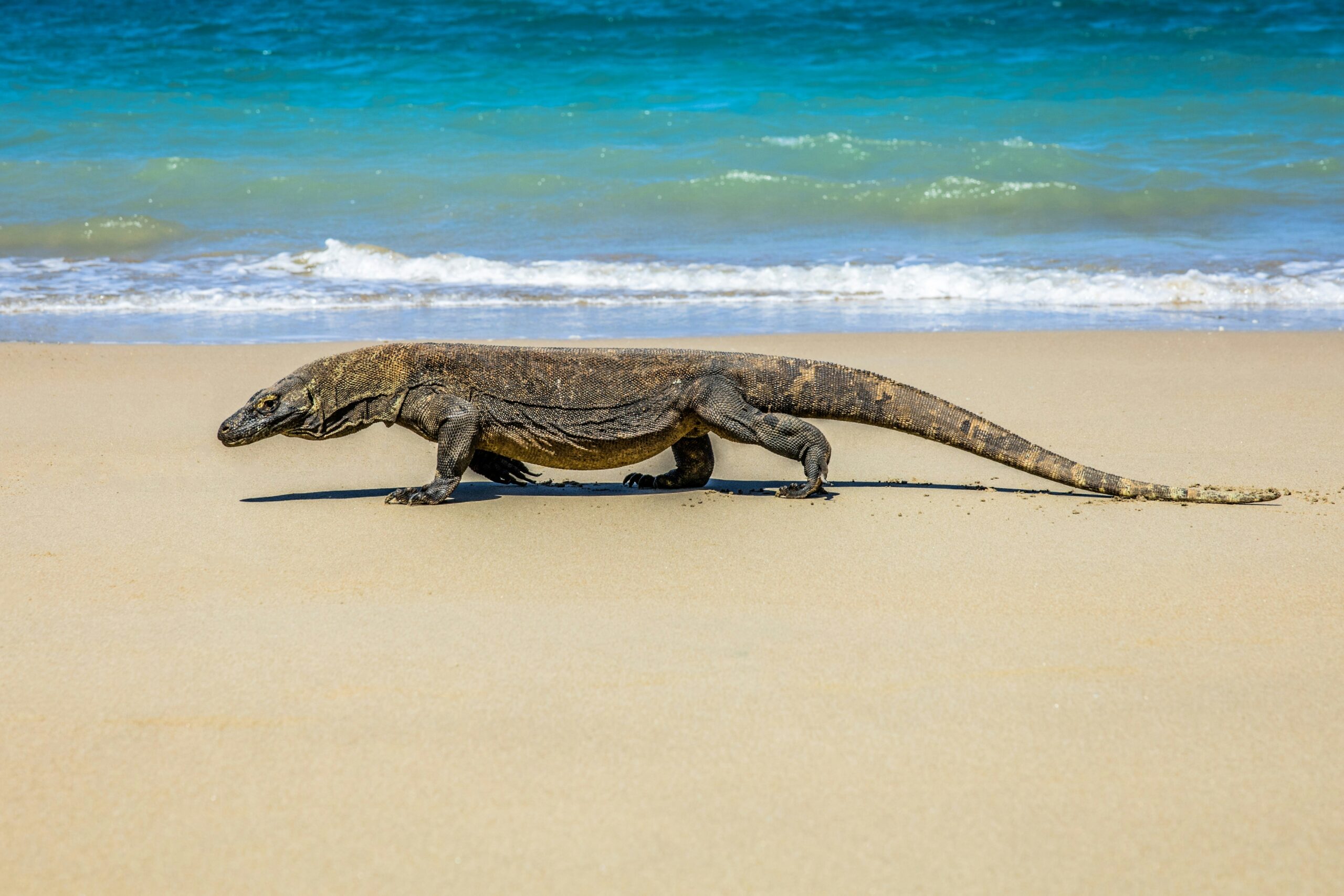
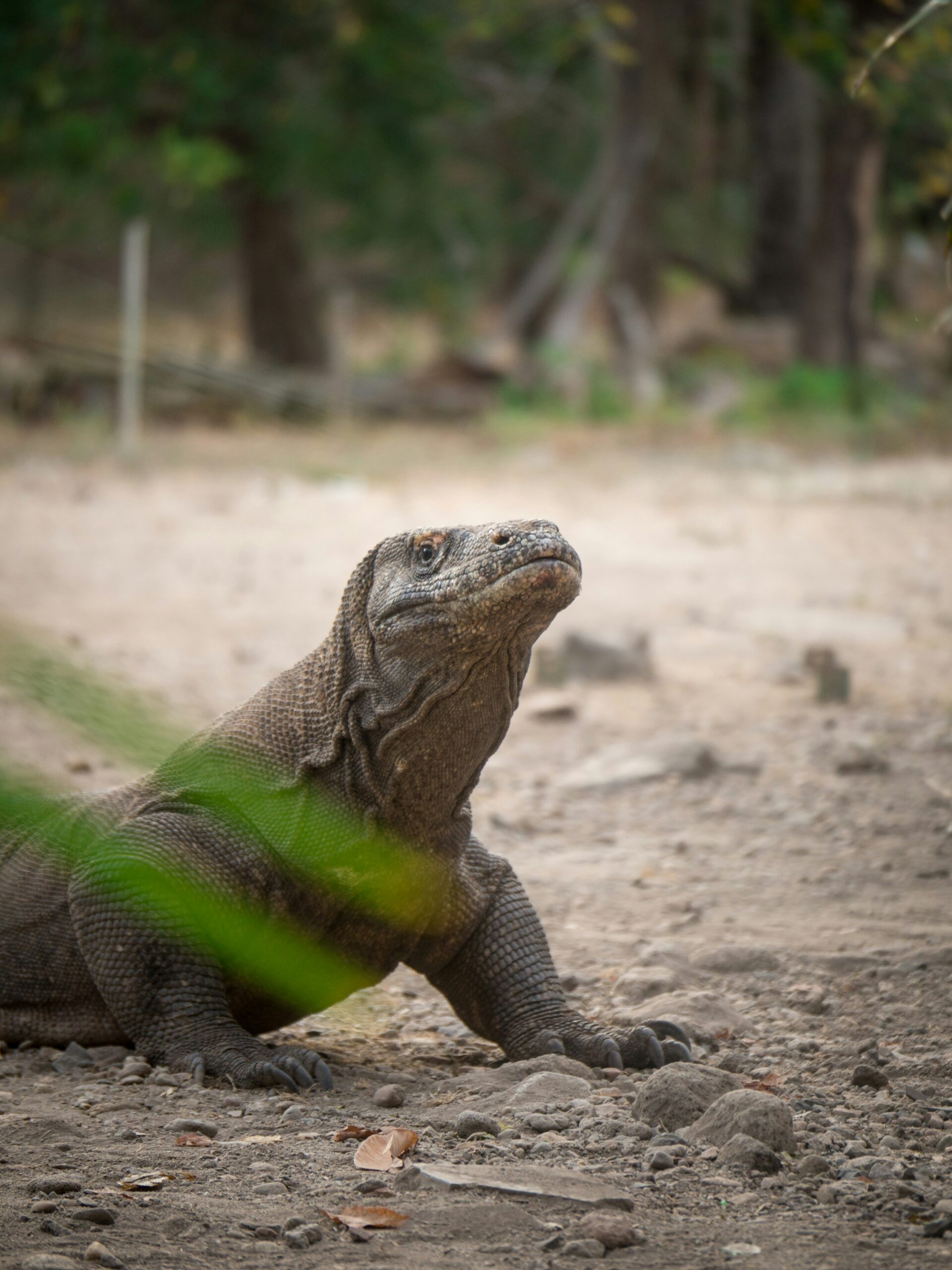
One of the most important rules for responsible travel in Komodo National Park is to respect the animals that live there. The Komodo dragon is the park’s most famous resident, but it is only one part of a much larger ecosystem that includes deer, birds, marine mammals, turtles, and diverse marine life.
When you encounter wildlife, keep a safe distance and never attempt to touch, feed, chase, or attract an animal. Always listen to your ranger or guide, especially when observing Komodo dragons. Because wildlife can react unexpectedly, keeping a safe distance helps protect both animals and visitors.
Furthermore, avoid using food to attract animals for photographs. A natural wildlife encounter is far more meaningful than a staged one, and leaving animals undisturbed helps preserve their normal behavior.
Stay on Designated Paths
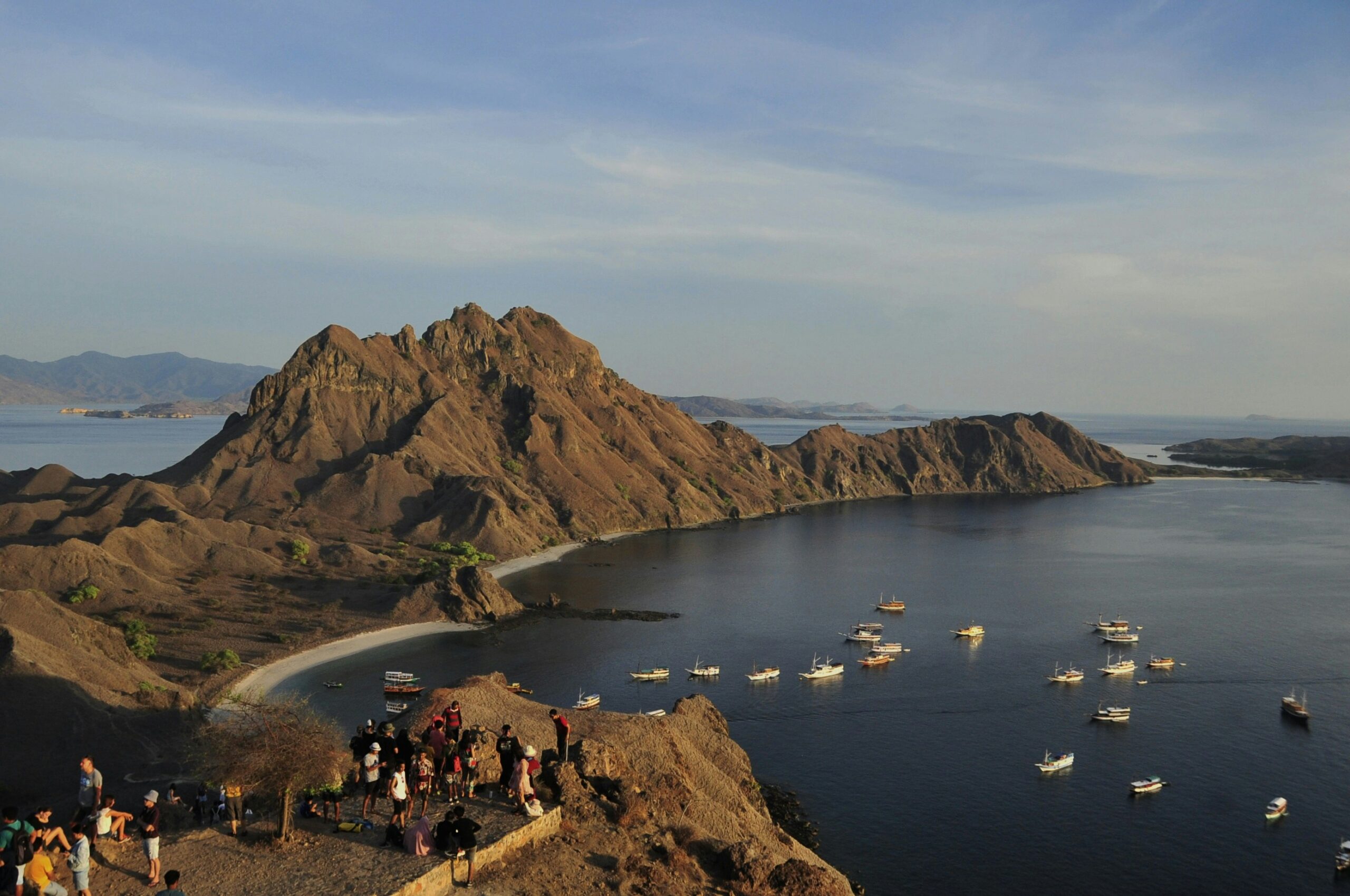
Komodo National Park features dramatic hills, dry savannah, beaches, and coastal ecosystems. While exploring these landscapes, stay on established trails and follow instructions from your guide.
Read also: Day trip komodo packages
Walking outside designated areas can damage vegetation and disturb wildlife habitats. It may also increase the risk of accidents, especially when walking across steep, uneven, or rocky areas.
Instead of taking shortcuts to save time, remain on the designated trail until you reach the viewpoint. Staying on the proper trail may seem like a small action, but many visitors following the same principle can significantly reduce pressure on fragile areas.
Read Also: The Most Beautiful Sunset Around Komodo National Park
Reduce Plastic Waste
Plastic waste can become a serious problem in destinations surrounded by water. Because a large part of Komodo National Park consists of marine areas, keeping plastic away from the ocean is especially important. UNESCO highlights the park’s extensive marine ecosystems, including coral reefs and habitats for turtles, dolphins, dugongs, and whales.
To reduce waste, bring a reusable water bottle instead of purchasing multiple single use bottles. You can bring reusable shopping bags and choose snacks with minimal or plastic free packaging whenever possible.
Most importantly, never leave rubbish on beaches, boats, trails, or snorkeling sites. If you cannot find a suitable waste bin, keep your rubbish with you until you reach an appropriate disposal point.
Protect Coral Reefs and Marine Life
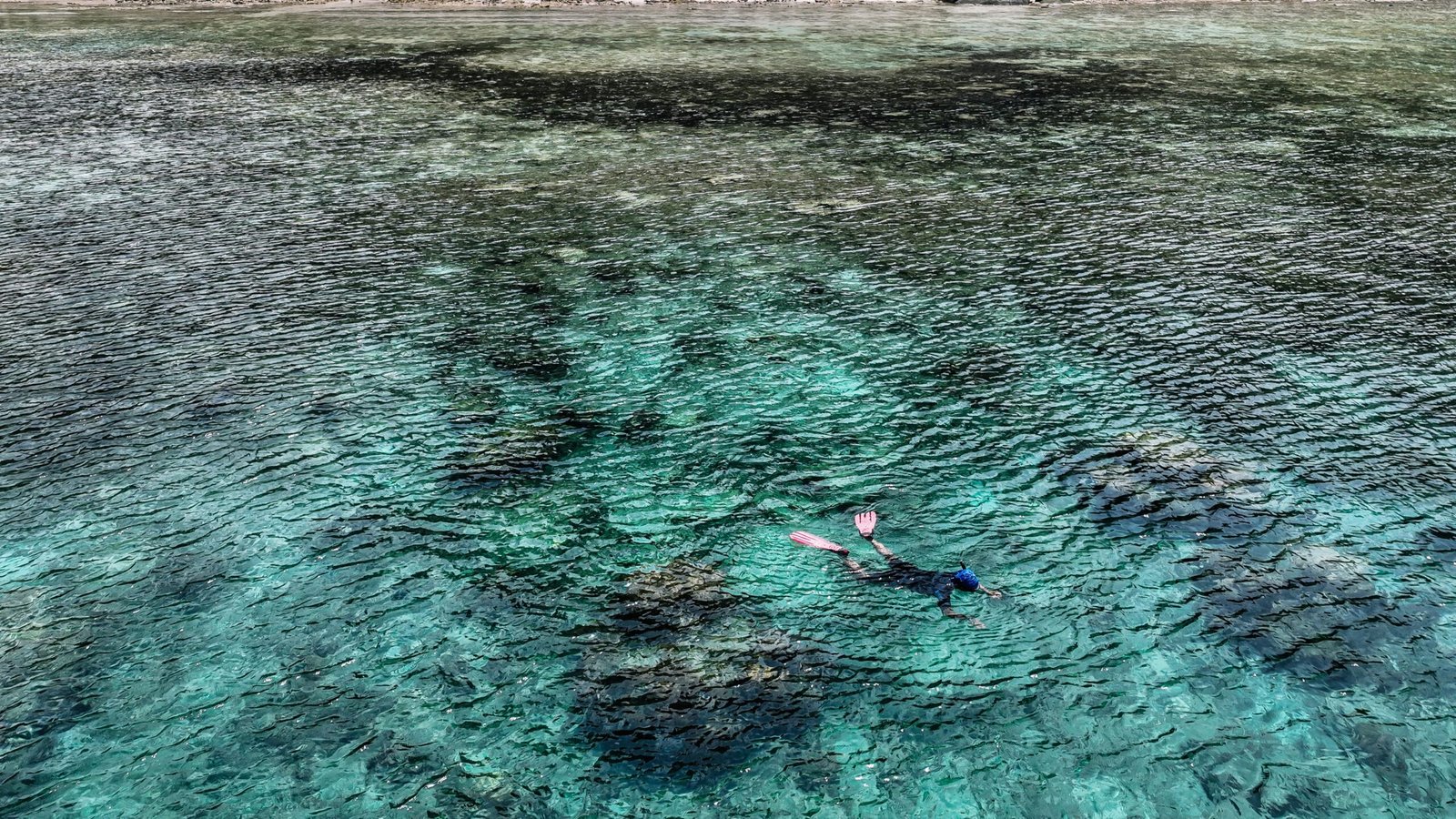
The underwater world is one of the major attractions of Komodo National Park. Its waters support diverse coral reefs and marine species, making snorkeling and diving popular activities in the region.
However, marine environments can suffer damage from careless tourist behavior. When exploring the underwater world, keep your distance from coral reefs and refrain from touching marine creatures. Even small contact can damage fragile coral organisms.
In addition, maintain good buoyancy while diving and keep your fins away from the reef. Instead, capture the moment with your camera and leave natural items exactly where they belong.
Choose Responsible Tour Operators
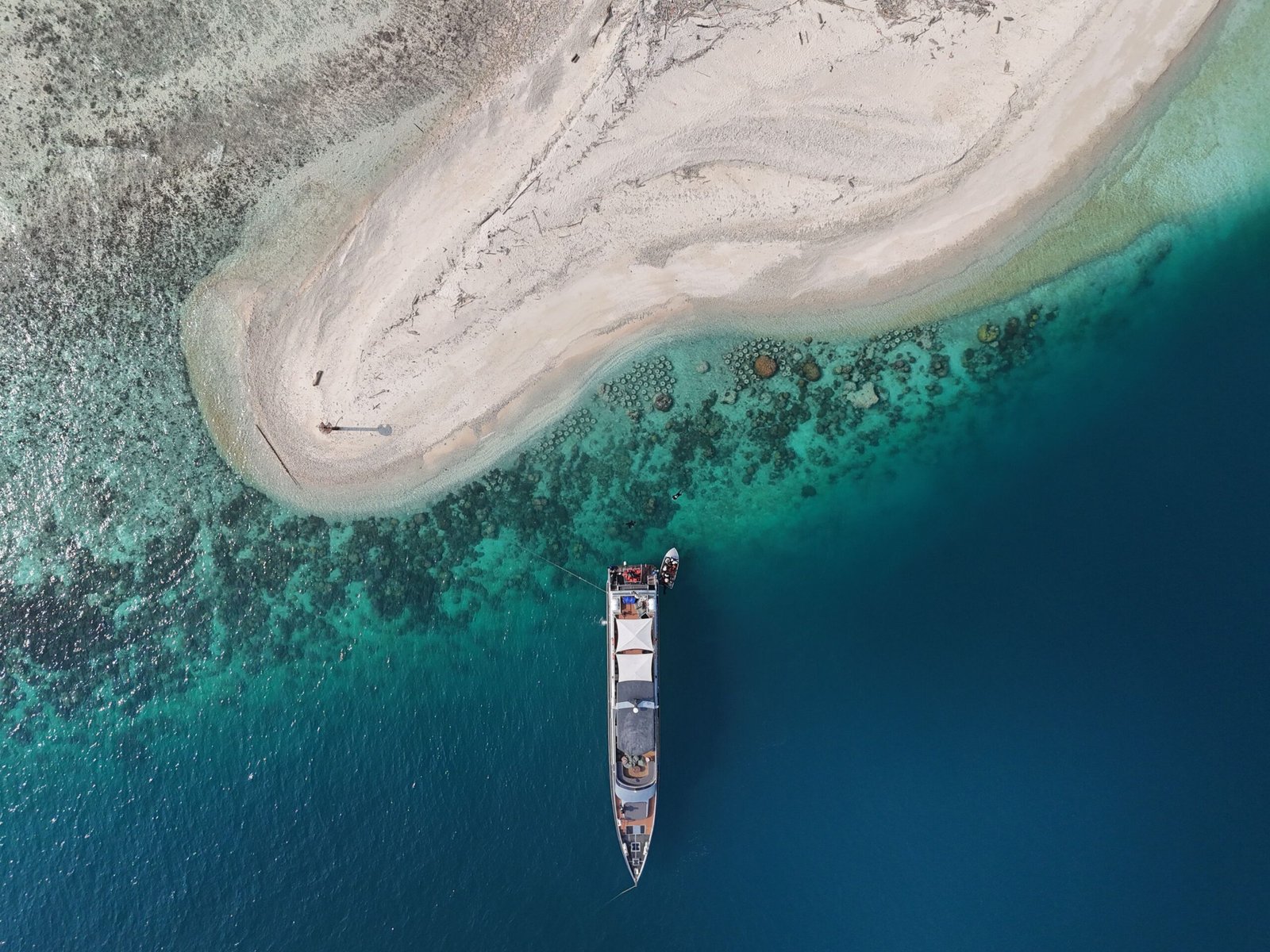
Your choice of tour operator can also influence the environmental impact of your trip. Before booking a Komodo National Park tour, look for operators that demonstrate responsible practices, follow park regulations, manage waste properly, and prioritize passenger and environmental safety.
Ask questions about how the company handles rubbish, fuel, water, and interactions with wildlife. You can also ask whether local guides and crew members are involved in the operation.
This matters because sustainable tourism works best when visitors, businesses, local communities, and park authorities share responsibility. UNESCO has identified sustainable tourism management as an important part of protecting Komodo National Park as tourism continues to develop.
Support Local Communities
Responsible travel should benefit local people as well as the environment. When visiting Labuan Bajo and surrounding destinations, consider purchasing products and services from local businesses.
For example, you can eat at locally owned restaurants, buy authentic handmade products, and choose local guides when appropriate. These choices help tourism revenue reach communities around the destination.
Moreover, take time to learn about local customs and communicate respectfully with residents. A destination is more than its landscapes and attractions; its people and culture are also an important part of the travel experience.
Save Water and Energy
Even when traveling by boat or staying on a remote island, it is important to use resources responsibly. Be mindful of your freshwater consumption, particularly in places where supplies may be limited. Take shorter showers, reuse towels when available, and turn off lights or air conditioning whenever you leave the room or no longer need them. These habits require very little effort but can reduce unnecessary resource consumption during your journey.
Similarly, bring rechargeable devices and avoid carrying more disposable products than you actually need.
Avoid Buying Wildlife Products
A souvenir may look harmless, but some products can contribute to pressure on wildlife or natural resources. Responsible travelers should avoid purchasing products made from protected animals, coral, shells, or other questionable materials.
Instead, support local artisans by choosing handmade crafts, traditional textiles, artwork, or regional food items that do not use wildlife materials. When in doubt, ask the seller about the material and origin before purchasing.
By choosing your purchases wisely, you can help local communities earn income while avoiding products that may harm wildlife or encourage the unsustainable use of natural resources.
Follow Park Rules and Ranger Instructions
The rules within the park help safeguard visitors while preserving the natural environment. Therefore, always follow instructions from rangers, guides, boat crews, and park authorities. Rules may cover wildlife encounters, hiking routes, snorkeling areas, waste disposal, and boat movements. Even if a particular restriction seems inconvenient, remember that protected areas require careful management to balance tourism and conservation.
Komodo National Park faces conservation challenges that include illegal fishing, poaching, and the potential impacts of increasing tourism. UNESCO has emphasized the importance of effective management and sustainable tourism to protect the park’s outstanding natural values.
Travel With a Conservation Mindset
Being a responsible traveler also means thinking beyond your own experience. Instead of asking only what you can see or do, consider how your visit affects the place you are exploring.
For example, choose reusable products, respect wildlife, minimize waste, and avoid activities that could damage natural habitats. You can also share responsible travel practices with friends and family after returning home.
Small actions become more meaningful when many travelers adopt them. In a destination as ecologically valuable as Komodo, responsible behavior can help ensure that tourism supports rather than undermines conservation.
Read Also: Can You Visit Komodo National Park with Kids? Everything Parents Should Know
Leave No Trace
One of the simplest principles to remember is to leave the destination as you found it. Do not leave rubbish behind, damage plants, disturb animals, or remove natural objects.
Before leaving a beach, viewpoint, or snorkeling location, take a quick look around and make sure you have collected everything you brought with you. If you notice a small piece of rubbish that you can safely pick up, removing it can also make a positive difference.
Ultimately, responsible travel is about minimizing your footprint while maximizing your appreciation for the destination.
Final Thoughts
Learning how to be a responsible traveler in Komodo National Park is an important part of planning your adventure. This extraordinary destination protects rare wildlife, diverse marine ecosystems, dramatic landscapes, and valuable natural heritage. UNESCO recognizes Komodo National Park for its exceptional terrestrial and marine biodiversity, making conservation an essential part of its future.
You do not need to make complicated changes to travel responsibly. Respect wildlife, reduce plastic, protect coral reefs, stay on designated trails, support local businesses, and follow park regulations.
Most importantly, remember that you are visiting a protected natural environment, not simply a tourist attraction. By traveling with care and respect, you can enjoy the incredible beauty of Komodo National Park while helping preserve it for the travelers, communities, and wildlife that will experience it in the years to come.