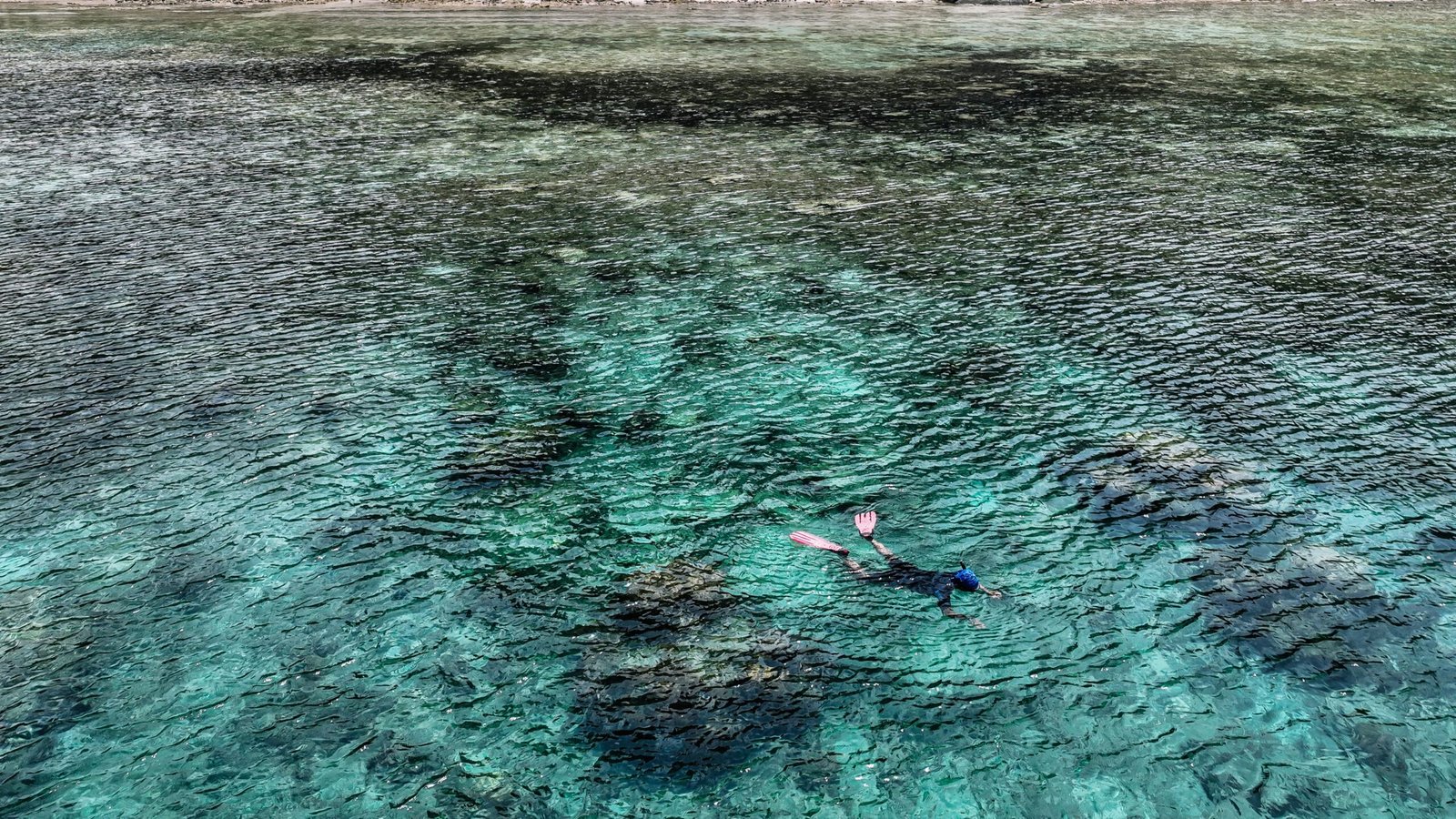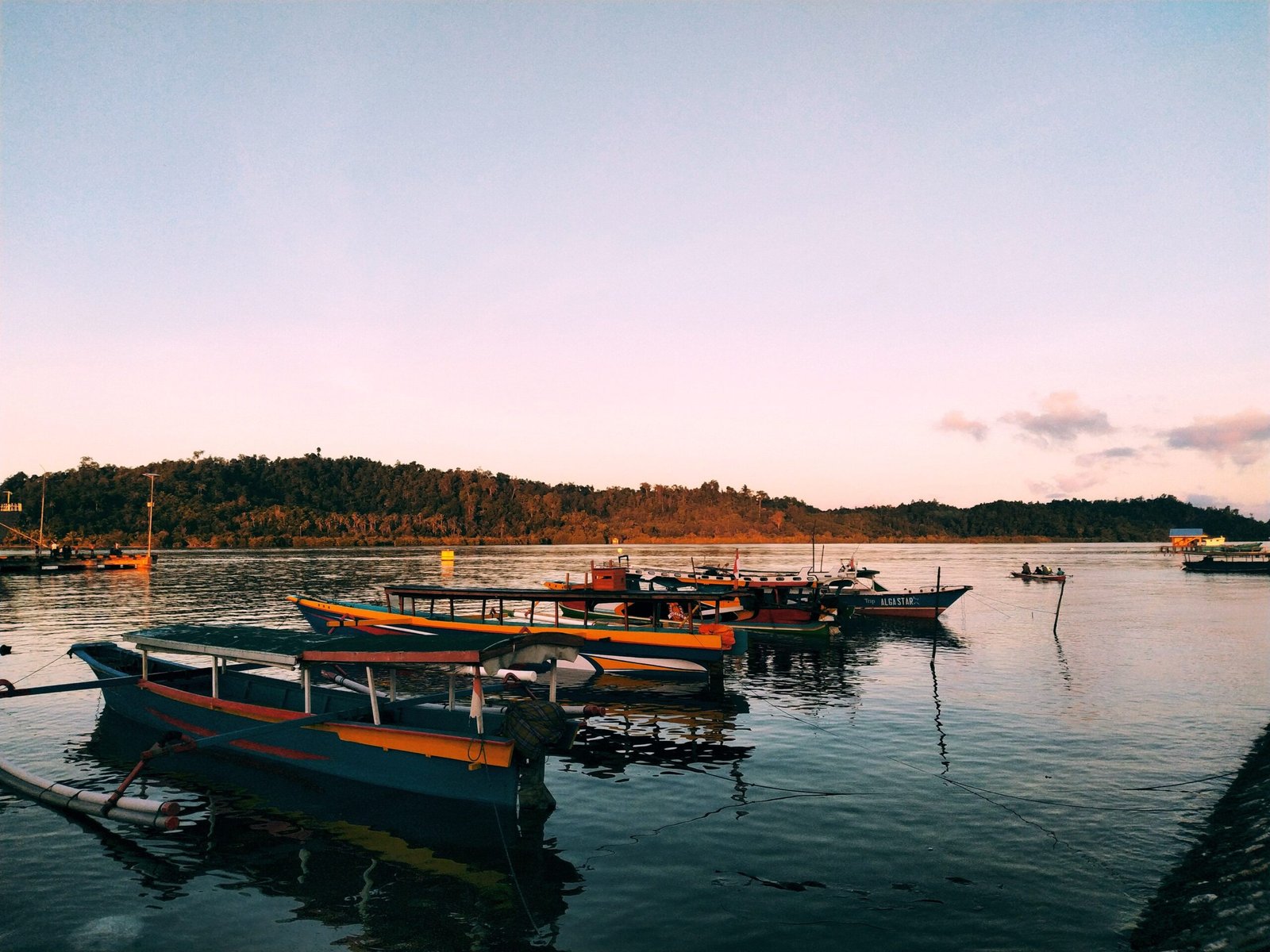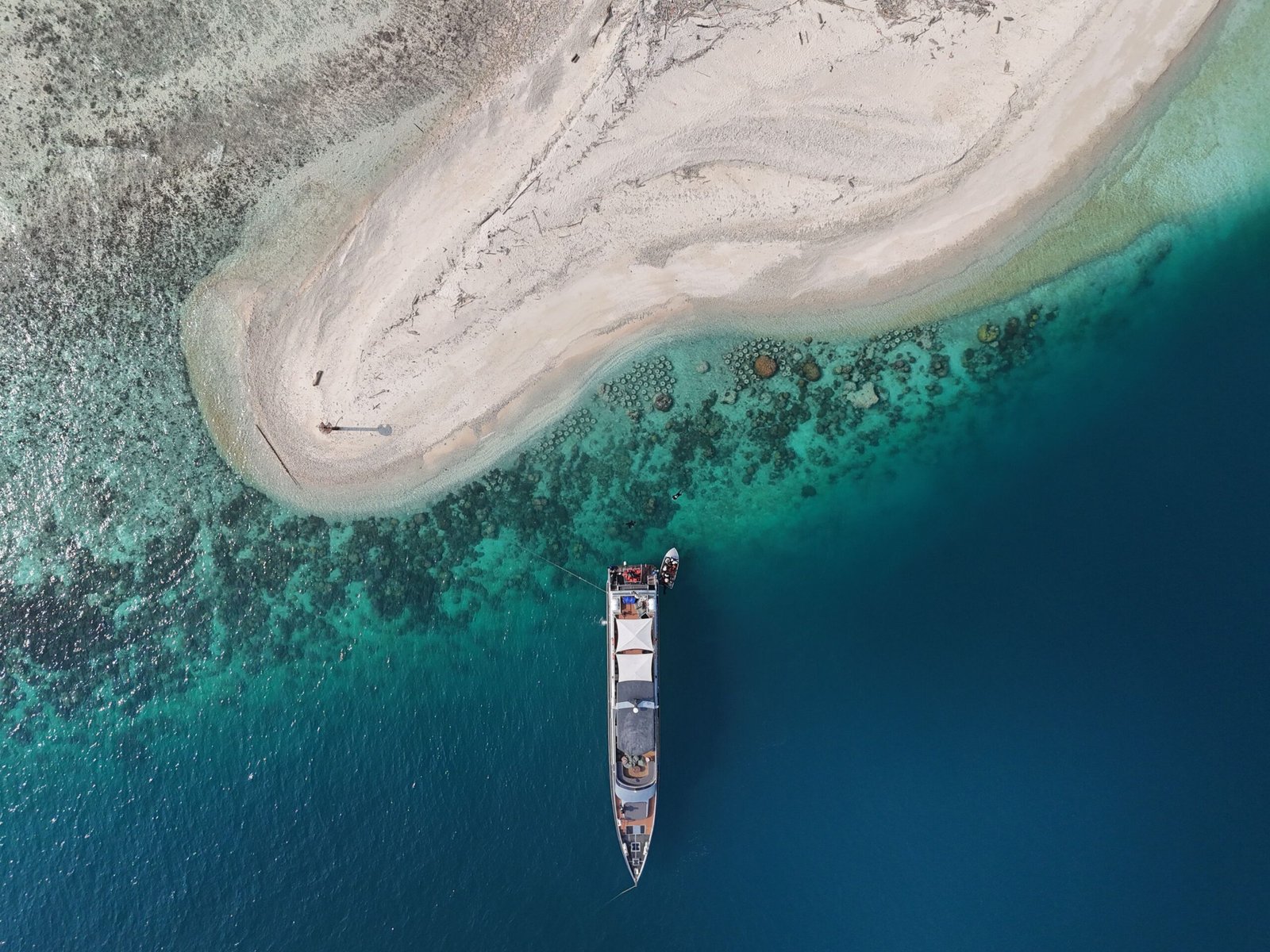

Simple Ways to Keep Komodo’s Coral Reefs Healthy While Snorkeling – Komodo National Park is famous for its dramatic islands, crystal clear waters, and incredible marine biodiversity. While many travelers visit the area to see Komodo dragons, the underwater world offers an equally unforgettable experience. Colorful coral reefs, tropical fish, sea turtles, and other marine life make snorkeling one of the most popular activities around the park.
However, these underwater ecosystems need protection. Coral reefs may look strong, but they remain delicate living ecosystems that can suffer damage from careless human activity. Fortunately, every traveler can contribute to their conservation through simple choices during a Komodo snorkeling trip.
Whether you are joining a short boat tour or planning a full Day Trip Komodo itinerary, responsible snorkeling allows you to enjoy the beauty of Komodo while helping preserve it for future generations.
Understand Why Coral Reefs Matter
Before entering the water, it helps to understand why coral reefs deserve your attention. Coral reefs provide shelter, feeding areas, and breeding grounds for many marine species. They also support the wider ecosystem that makes Komodo National Park such an extraordinary destination.
In addition, healthy reefs contribute to coastal protection by reducing the impact of waves on shorelines. They also support local communities through fisheries and tourism.
Therefore, protecting coral reefs does more than preserve beautiful underwater scenery. It helps maintain the ecological balance of the entire marine environment.
Avoid Touching the Coral
One of the simplest rules for responsible snorkeling is also one of the most important: do not touch coral.
Although coral may resemble colorful rocks, it consists of living organisms. Even a small touch can damage fragile structures or remove the protective layer around living coral.
Instead of reaching out to touch the reef, keep a comfortable distance while you observe it. If you need to adjust your position, use your swimming technique rather than pushing yourself against the coral.
Moreover, avoid resting your hands or feet on the reef when taking photographs. A few seconds of contact can cause damage that takes much longer to recover.

Read Also: Siaba Bay: A Scenic Snorkeling Stop for Turtle Lovers in Komodo
Be Careful With Your Fins Around Coral Reefs
Your snorkeling equipment can also accidentally harm coral. Fins can easily hit or scrape the reef when you swim too close to the seabed.
For this reason, maintain enough distance from coral formations and pay attention to your movements. Practice controlling your body position before approaching shallow reef areas.
If you are new to snorkeling, ask your guide for advice on proper fin techniques. A guide can help you improve your position in the water and avoid accidentally damaging the reef.
By controlling your movements, you protect the ecosystem while making your snorkeling experience more comfortable.
Never Stand on the Seabed
When waves or currents make snorkeling difficult, some people instinctively try to stand on the bottom. However, shallow snorkeling areas may contain coral colonies or other marine organisms.
Instead, use a flotation device or ask your guide for assistance if you feel uncomfortable in the water. Never use coral as a place to rest.
This habit becomes particularly important during a Komodo snorkeling trip, where some snorkeling locations feature shallow reefs close to the surface.
If you feel unsure in the water, let your guide know before you start snorkeling. Staying safe and protecting the reef can go hand in hand.
Do Not Chase Marine Animals
Komodo’s underwater environment attracts many fascinating creatures, including sea turtles, reef fish, and other marine species. Seeing these animals in their natural habitat can become one of the highlights of your trip.
Nevertheless, keep your distance and allow animals to move freely.
Do not chase turtles for photographs, block their path, or attempt to touch them. Similarly, avoid following fish too closely simply to capture a better image.
Instead, remain still and observe from a respectful distance. Wild animals often behave more naturally when humans give them enough space.
This approach creates a better experience for both you and the animals.
Choose Reef-Safe Sunscreen
Your choice of sunscreen can also support responsible travel. Sunscreen helps protect your skin from strong tropical sunlight, but certain chemical ingredients can negatively affect marine environments.
Consider choosing a sunscreen formulated with reef-conscious ingredients and avoid applying excessive amounts immediately before entering the water.
Additionally, wearing a rash guard, long-sleeved swimwear, or other sun-protective clothing can reduce your dependence on sunscreen while snorkeling.
As a result, you can protect your skin while reducing the amount of product that enters the ocean.
Take Your Waste Back With You
Plastic bottles, food packaging, tissues, and other rubbish have no place in the ocean.
Before boarding your boat, bring a reusable water bottle and avoid unnecessary single-use plastic whenever possible. Keep all your personal waste with you throughout the trip.
If you notice rubbish floating in the water and your guide confirms that it is safe to collect, you can help remove it. However, never disturb marine animals or coral while attempting to pick up waste.
Most importantly, never throw anything into the sea. Even small pieces of plastic can become a serious threat to marine life.
Use Eco-Friendly Snorkeling Practices
Responsible snorkeling starts before you enter the water. Choose tour operators that demonstrate a genuine commitment to environmental protection.
Ask how the operator handles waste, manages snorkeling groups, and follows conservation rules. A responsible operator should prioritize both visitor safety and the protection of the marine environment.
Furthermore, smaller groups can sometimes create a more comfortable snorkeling experience because fewer people enter the water at the same time. Less crowding can also reduce the likelihood of accidental contact with coral.
When selecting a Komodo tour package, therefore, consider environmental practices alongside price and itinerary.
Follow Your Guide’s Instructions
Local guides understand the conditions of the snorkeling sites and can provide important information about safe and responsible behavior.
Listen carefully when your guide explains where you can swim, where you should avoid standing, and how close you should stay to marine animals. Weather, tides, visibility, and currents can also change throughout the day. Consequently, a snorkeling location that feels calm at one moment may become more challenging later.
Following your guide’s instructions helps protect you and the environment at the same time.
Be a Responsible Underwater Photographer
Taking underwater photographs can help you remember your Komodo adventure, but photography should never come at the expense of the reef.
Avoid kneeling on coral, grabbing rocks for stability, or moving marine animals to create a better photograph. Instead, improve your position naturally and allow the scene to unfold in front of you.
If you use a camera with a strap, make sure it does not drag across the reef. Keep your equipment controlled and maintain enough distance from fragile coral formations.
A good underwater photograph should capture nature as you find it—not after you rearrange it.

Support Conservation Through Responsible Tourism
Your choices as a traveler can contribute to the long-term protection of Komodo’s marine environment.
By choosing responsible tour operators, following national park regulations, minimizing waste, and respecting wildlife, you support a tourism model that values conservation.
Moreover, responsible tourism can encourage businesses and local communities to continue protecting the natural resources that attract visitors to Labuan Bajo.
This connection matters because tourism and conservation can work together when travelers make thoughtful decisions.
Read Also: What to Expect at Labuan Bajo Airport After Landing
Leave the Reef as You Found It
The most important principle for any snorkeling adventure is simple: take only photographs and memories, and leave the reef untouched.
Do not collect coral, shells, or marine animals as souvenirs. Even objects that appear lifeless may play an important role in the ecosystem or provide shelter for small creatures.
Instead, capture photographs and enjoy the experience without taking anything from the sea.
When you leave the snorkeling site, it should look just as beautiful and healthy for the next visitor.
Make Your Komodo Adventure More Sustainable
A snorkeling trip around Komodo National Park offers an opportunity to experience one of Indonesia’s most remarkable marine environments. However, that privilege also comes with responsibility.
By maintaining your distance from coral, controlling your fins, avoiding contact with wildlife, reducing plastic waste, choosing responsible tour operators, and following your guide’s instructions, you can make a meaningful difference.
Whether you are exploring Siaba Bay, Manta Point, or another snorkeling destination as part of your Day Trip Komodo itinerary, remember that every small action contributes to the health of the ecosystem.
The goal is not simply to visit Komodo’s underwater world. It is to experience it responsibly so that its coral reefs and marine life can continue to thrive long after your trip ends.