
Supporting Komodo’s Local Fishermen Through Sustainable Tourism – Tourism has become an important part of the economy around Komodo National Park, but its benefits can extend beyond hotels, restaurants, and tour operators. Local fishermen also play an important role in the coastal communities surrounding the park. By developing tourism responsibly, travelers and tourism businesses can help create additional economic opportunities for these communities while supporting the protection of marine resources.
For many visitors, the waters around Komodo are the highlight of their journey. However, the same waters also support the livelihoods of people who depend on fishing. The official management goals of Komodo National Park recognize the importance of maintaining natural resources for local communities while creating alternative sources of income through sustainable tourism.
Therefore, sustainable tourism should not only focus on protecting beautiful landscapes and marine ecosystems. It should also consider the people who live alongside them.
Why Local Fishermen Matter in Komodo
Fishing has long been part of life for communities around Komodo. Some residents continue to depend on the sea for their daily livelihoods, while others have developed activities connected to tourism.
The official Komodo National Park website, for example, highlights local residents who work as fishermen and shows how traditional fishing activities can connect with conservation awareness. One example is Markule, a local spearfisher whose story has been presented by the park as part of its conservation communication.
Because these communities depend on marine resources, healthy coastal ecosystems matter directly to their everyday lives. Protecting the sea therefore benefits both biodiversity and the people who rely on it.
How Tourism Can Create New Opportunities
Sustainable tourism can give fishermen additional ways to earn income without relying entirely on fishing. Instead of viewing tourism and fishing as separate industries, communities can sometimes connect their existing maritime knowledge with visitor experiences.
For example, local residents may participate in tourism-related services where regulations and permits allow. They can work as boat crew members, local guides, or providers of community-based tourism experiences. In other cases, fishermen may supply seafood to local businesses that follow responsible sourcing practices.
Moreover, tourism can create demand for services beyond fishing itself. Transportation, food preparation, handicrafts, accommodation, and cultural experiences can all generate economic activity within coastal communities.
The official park authority has documented community-based tourism initiatives in villages around Komodo National Park. These initiatives demonstrate how tourism can support local economic development while remaining within conservation requirements.
Read Also: Komodo Day Trip: What to Know About Boat Departures
Supporting Fishermen Through Responsible Boat Tourism
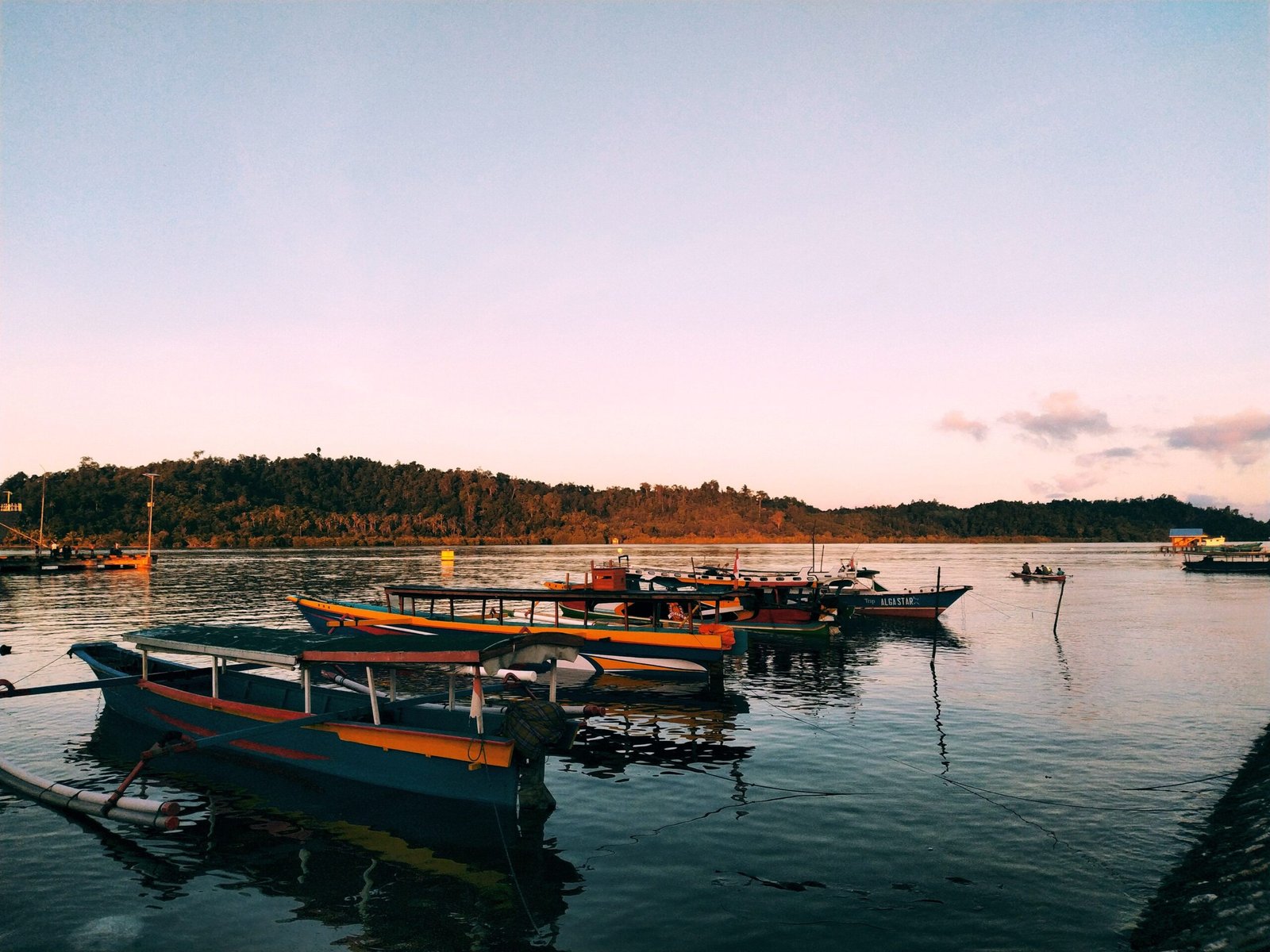
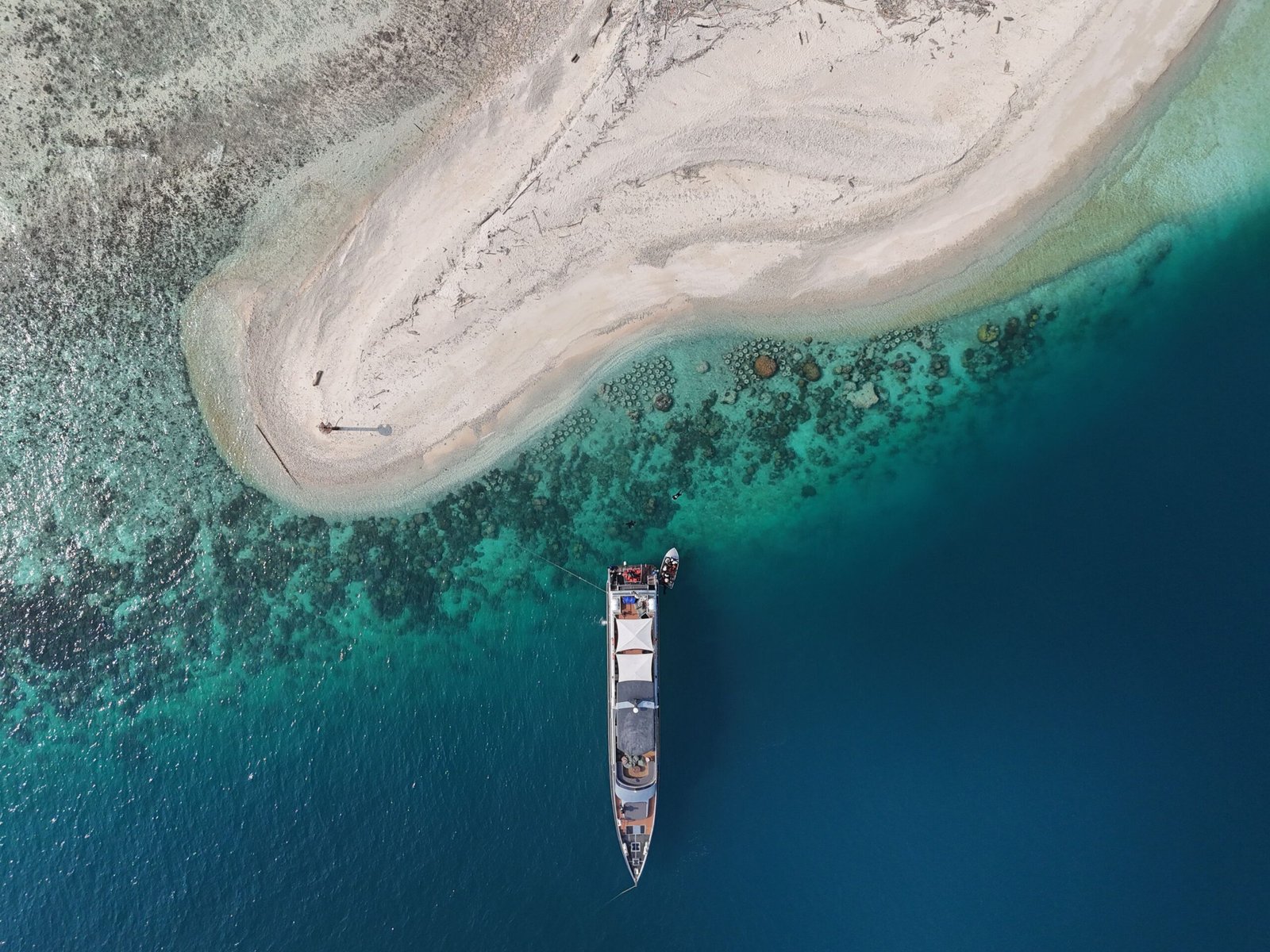
Boat tourism offers another opportunity to connect visitors with local communities. Travelers booking a Komodo tour package can look for operators that work with local communities and use local services whenever possible.
For instance, choosing locally operated boats or services can help keep part of tourism spending within the destination. However, travelers should always consider safety, licensing, and applicable national park regulations before selecting a service.
Furthermore, responsible boat operators can help visitors understand why marine conservation matters. A guide can explain local fishing traditions, marine habitats, and the importance of following designated activity areas.
As a result, a boat trip can become more than transportation between tourist attractions. It can also introduce travelers to the relationship between local communities and the sea.
Spend Locally During Your Komodo Adventure
Travelers can support local communities through simple decisions. When possible, consider purchasing food, crafts, or services from legitimate local businesses instead of relying entirely on imported products or large external operators.
Similarly, visitors can ask tour operators whether their services involve local communities. This question encourages businesses to think about how tourism revenue reaches the destination.
For travelers following a Day Trip Komodo itinerary, even small choices can contribute to the local economy. Buying a locally made product, using a local boat service, or enjoying food prepared by a community business can help distribute tourism spending beyond the main tourism centers.
However, responsible spending also means respecting local prices, customs, and working conditions. Supporting local businesses should create a fair exchange rather than encouraging visitors to bargain excessively over products or services.
Sustainable Fishing and Marine Conservation
Economic opportunities alone cannot guarantee long-term sustainability. Tourism must also help protect the marine environment that supports local livelihoods.
The waters of Komodo National Park cover a large part of the protected area, and the park’s management framework emphasizes the conservation of marine ecosystems and sustainable resource use.
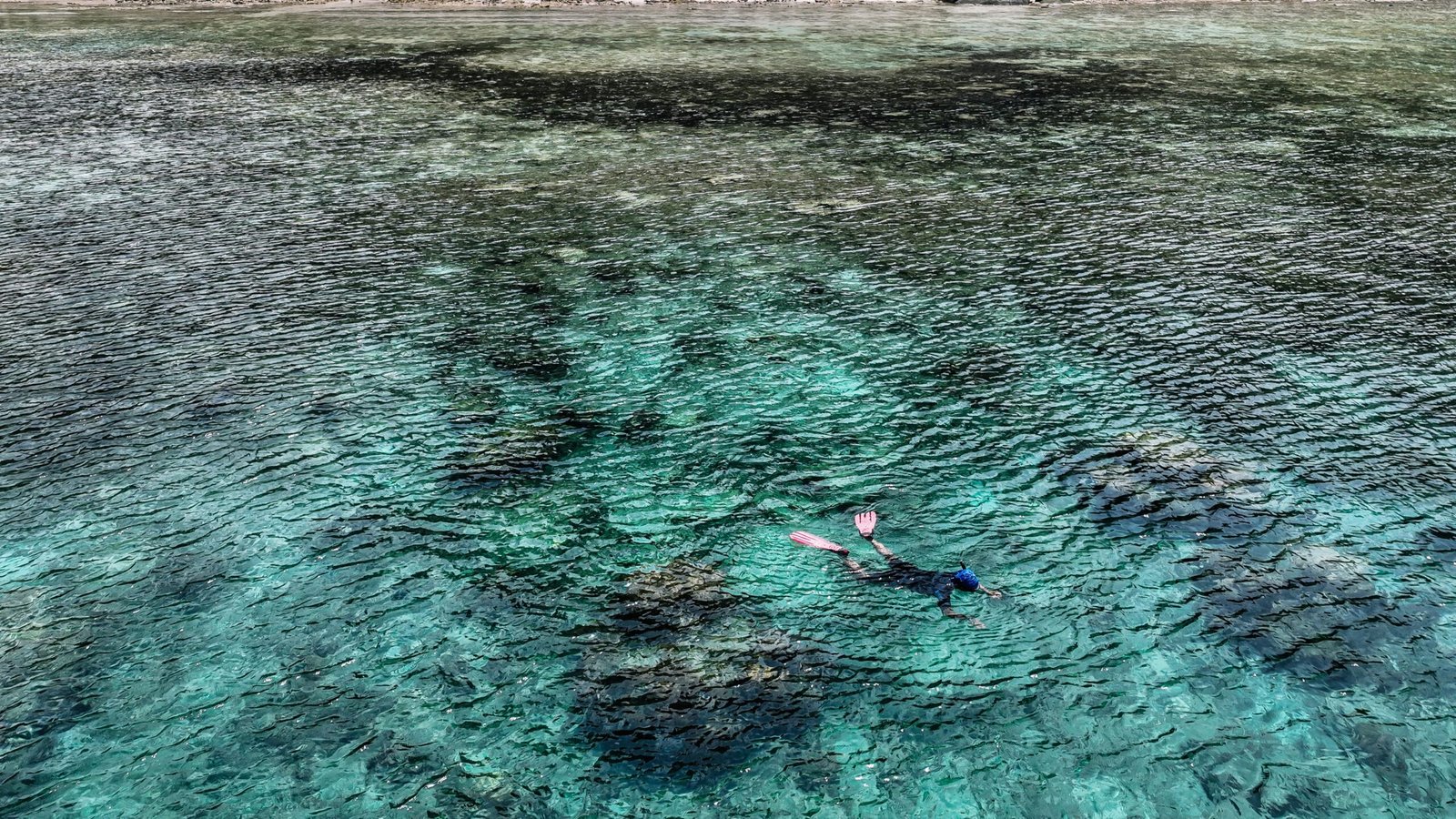
For this reason, travelers should follow rules when snorkeling, diving, swimming, or traveling by boat. Avoid touching coral, collecting marine life, throwing waste into the sea, or entering restricted areas.
At the same time, tourism operators should help visitors understand local regulations rather than treating environmental rules as optional recommendations. Responsible tourism works best when businesses, communities, authorities, and travelers share responsibility.
Why Responsible Tourism Benefits Everyone
When tourism supports local communities while protecting natural resources, the destination can build a stronger foundation for the future. Fishermen can gain access to additional income opportunities, while tourism businesses can benefit from local knowledge and services.
Meanwhile, travelers receive a more meaningful experience because they can learn about the people who have lived and worked around these waters for generations.
This approach also aligns with the broader goals of Komodo National Park. The park aims to protect biodiversity while supporting sustainable use of natural resources and increasing income opportunities for surrounding communities.
Therefore, sustainable tourism should not simply mean reducing plastic waste or avoiding damage to coral reefs. It should also involve making thoughtful choices about where tourism money goes and how local communities participate in the industry.
Read Also: Bidadari Island: A Peaceful Tropical Getaway Near Labuan Bajo
How Travelers Can Support Local Fishermen
Visitors do not need to make complicated changes to travel more responsibly. Start by choosing tourism providers that demonstrate respect for local communities and conservation regulations.
You can also:
- Choose legitimate local boat and tourism services.
- Purchase locally made products when available.
- Respect local fishing traditions and community customs.
- Avoid buying illegally collected marine products.
- Follow national park rules during marine activities.* Keep plastic and otherwaste away from the ocean.
- Ask tour operators how they involve local communities.
- Share responsible tourism practices with other travelers.
These actions may seem small individually. However, consistent choices from many visitors can encourage tourism businesses to develop more community-focused practices.
Build a More Sustainable Komodo Experience
A visit to Komodo is more meaningful when travelers understand that the destination is not simply a collection of beautiful islands. It is also a living environment where communities depend on the sea for their livelihoods.
For this reason, sustainable tourism should create value for both nature and local people. Supporting fishermen through responsible tourism can help diversify income opportunities while maintaining respect for marine ecosystems.
Whether you are planning a Day Trip Komodo itinerary or booking a longer Komodo tour package, consider how your travel choices affect the communities you visit. Choose responsible operators, spend thoughtfully, follow conservation rules, and respect local traditions.
Ultimately, protecting Komodo means looking beyond the famous landscapes. When tourism gives local communities meaningful opportunities to participate while encouraging visitors to care for the environment, it can help create a more balanced future for both fishermen and the remarkable marine ecosystem they call home.