Wildlife Etiquette in Komodo: How to Respect Nature While Exploring the Islands – Exploring Komodo National Park offers travelers a rare opportunity to experience wildlife in a natural environment. From observing Komodo dragons on land to encountering manta rays and colorful fish underwater, every part of the journey connects visitors with a diverse ecosystem.
However, wildlife encounters require more than excitement and good photography. Visitors need to understand how their behavior can affect animals and their habitats. Since Komodo National Park protects important terrestrial and marine ecosystems, responsible behavior should become an essential part of every trip.
Fortunately, respecting nature does not require complicated rules. By maintaining a safe distance, following ranger instructions, avoiding contact with animals, and leaving natural areas untouched, you can enjoy the islands while reducing your impact.
Keep in Mind That Komodo Is a Natural Wildlife Habitat
The first rule of wildlife etiquette is simple: remember that Komodo is not a zoo. Komodo dragons, monkeys, birds, marine animals, and other species live within their natural habitats. They do not exist for visitors to photograph or interact with. Their behavior can change depending on their surroundings, food availability, weather, and other factors.
Therefore, never assume that an animal is safe simply because it appears calm. Instead, observe from a respectful distance and allow wildlife to move naturally. This approach creates a safer experience for both visitors and animals.
Keep a Safe Distance From Komodo Dragons
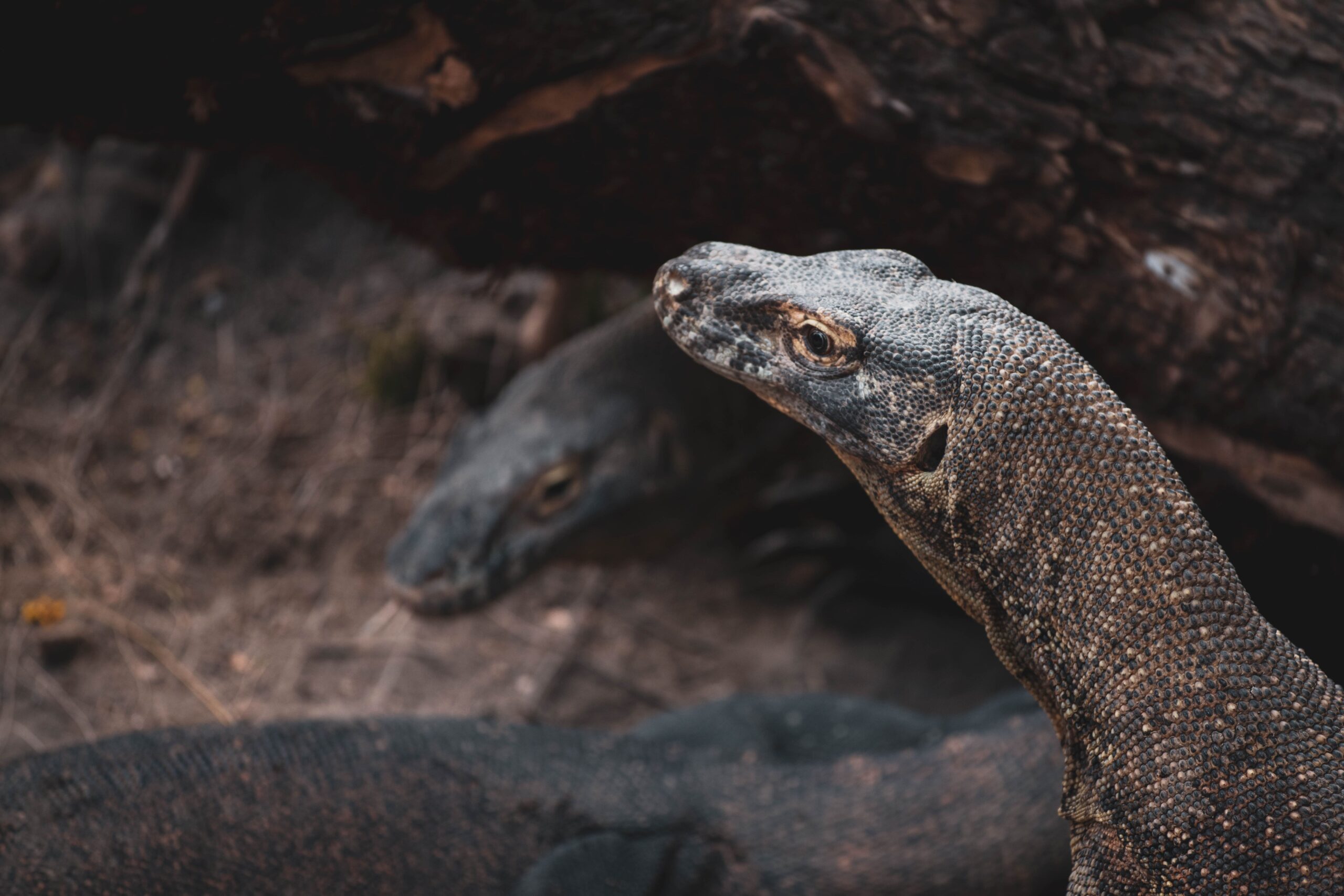
Seeing a Komodo dragon can become one of the highlights of your trip. However, these reptiles are powerful predators and should always be treated with caution.
Never approach a dragon to take a closer photograph. Do not attempt to touch, feed, distract, or provoke it. Even if an animal appears motionless, you should never assume that it cannot react quickly.
During wildlife walks, stay with your group and follow the ranger’s instructions. Rangers understand the local environment and can help visitors maintain an appropriate distance.
Moreover, avoid walking away from the group simply to get a better camera angle. A photograph is never worth creating an unnecessary safety risk.
Listen to the Ranger During Wildlife Encounters
Rangers play an important role in managing wildlife encounters throughout Komodo National Park. Their instructions are not simply suggestions; they help visitors understand how to behave safely around wild animals.
Before entering a wildlife area, pay attention to the briefing. Your ranger may explain where you should walk, where you should stand, and how to respond if an animal approaches.
If the ranger asks you to move back, do so immediately.
Similarly, avoid distracting the ranger while they are monitoring wildlife. Their attention needs to remain on the animals and the surrounding environment.
Read Also: Why Kalong Island Is More Than Just a Sunset Destination
Do Not Feed Wild Animals
Feeding wildlife may seem harmless, especially when an animal approaches a visitor. However, artificial feeding can change natural behavior.
Animals that associate humans with food may become more comfortable approaching people. Over time, this can increase the possibility of conflicts and create unhealthy dependencies.
For that reason, never offer food to Komodo dragons, monkeys, birds, or other wildlife. Keep snacks stored securely and avoid eating close to animals when your guide advises against it. By allowing wildlife to find food naturally, you help preserve normal animal behavior.
Avoid Chasing Animals for Photographs
Wildlife photography can create incredible memories, but getting the perfect image should never become the main priority.
If an animal moves away, let it go. Do not follow it simply because you want another photograph.
Likewise, never block an animal’s path or surround it with other visitors. Animals need space to move, rest, feed, and interact with their environment.
Instead, use your camera from a safe position and accept that some encounters may only last a few seconds.
This approach creates more ethical wildlife photography while reducing unnecessary stress for animals.
Protect Coral Reefs While Snorkeling
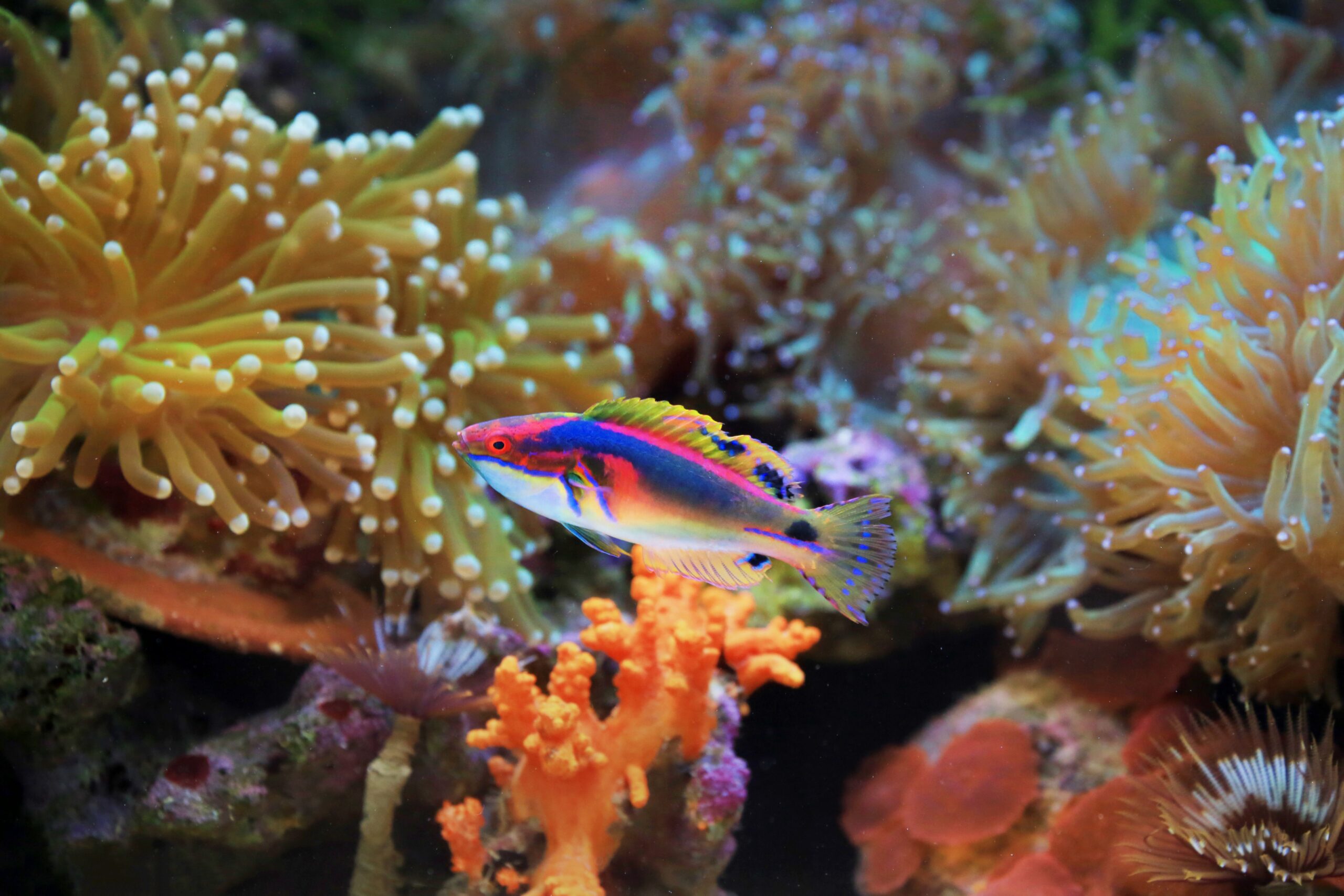
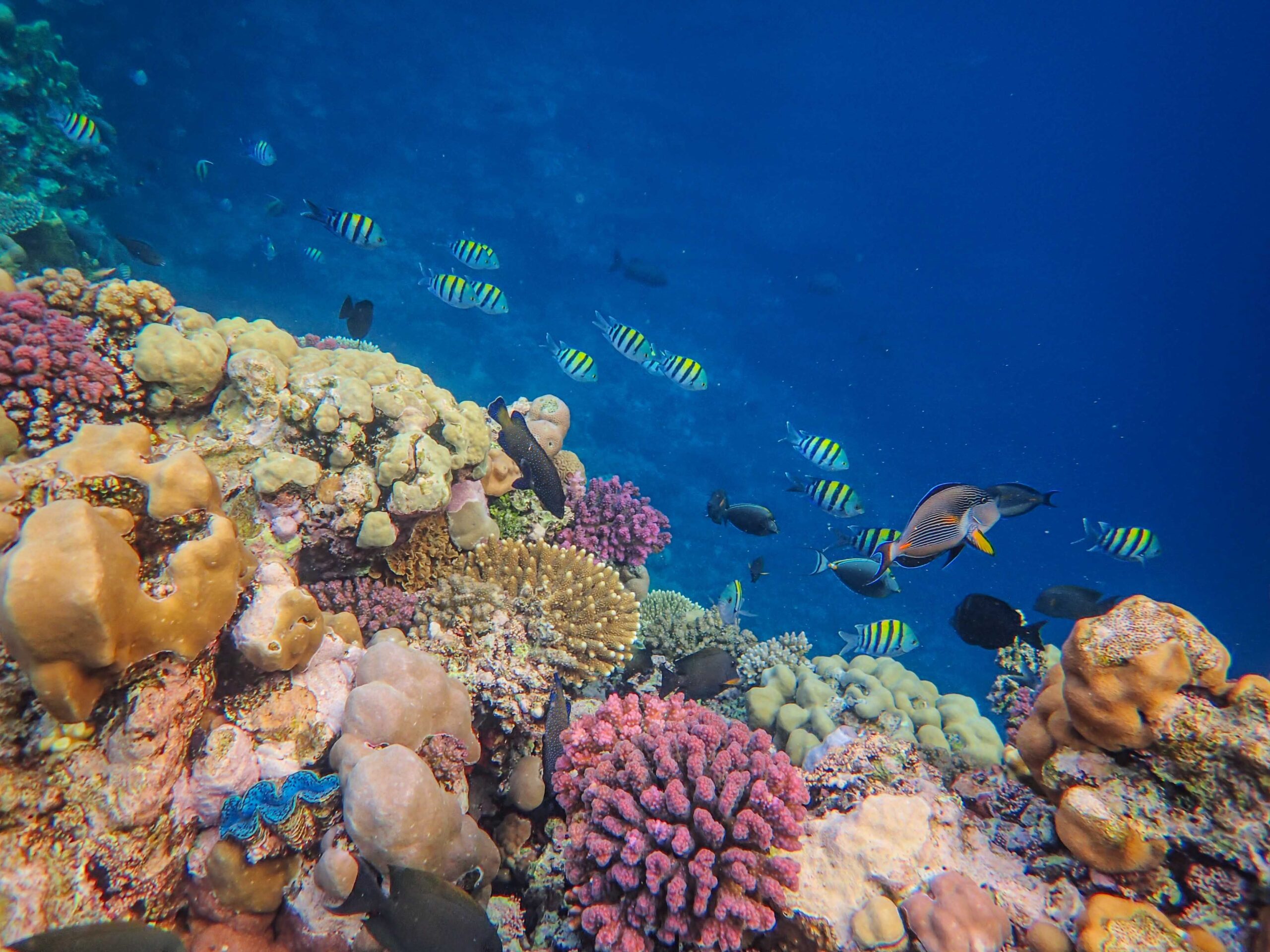
Wildlife etiquette does not stop when you enter the water. The marine ecosystem around Komodo contains coral reefs, fish, turtles, manta rays, and many other species.
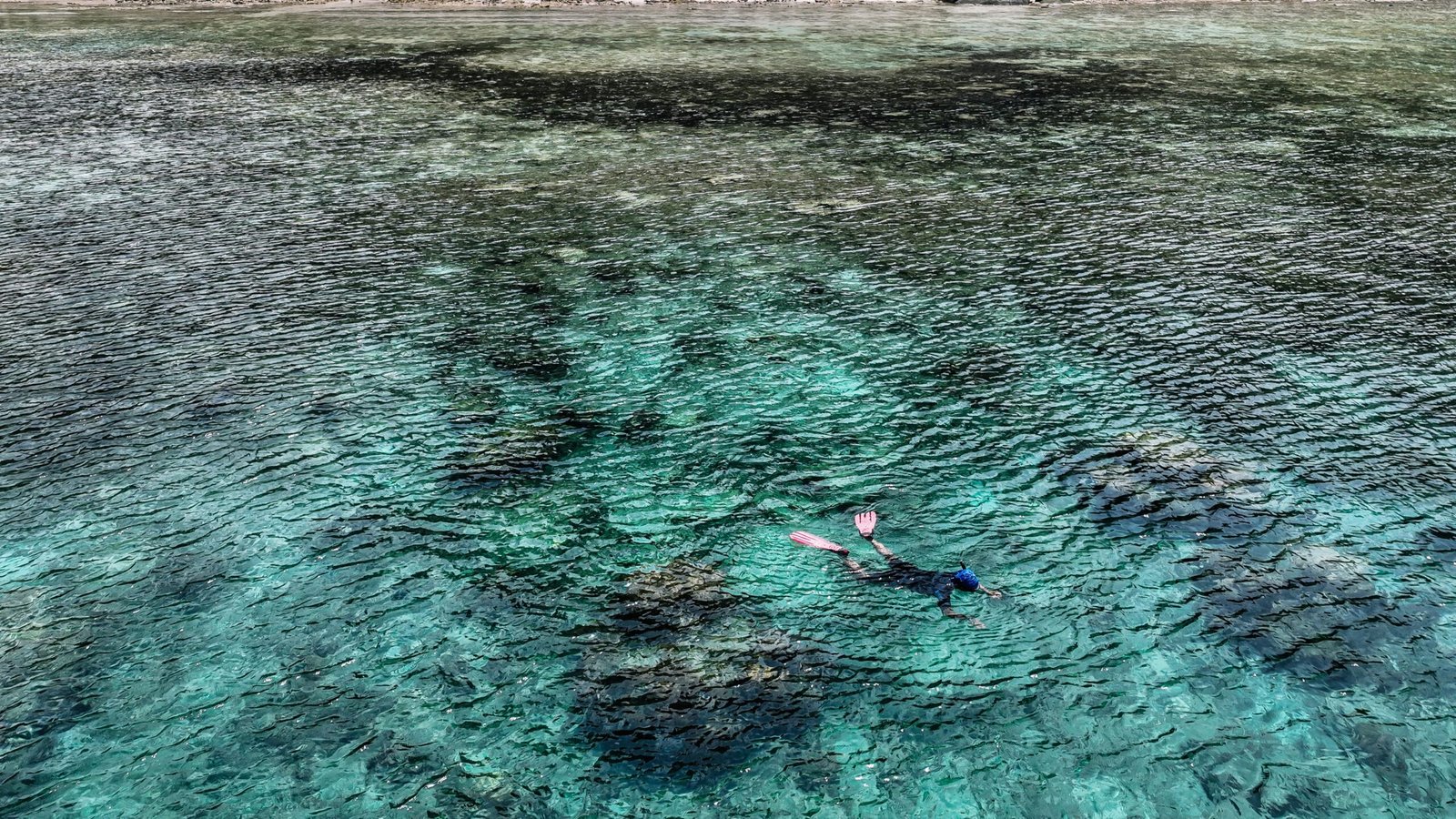
When snorkeling, keep your body and fins away from coral. Do not stand on reef structures, grab coral, or touch marine animals.
Even accidental contact can damage fragile coral formations. Therefore, practice controlled swimming and maintain enough distance from the reef.
If you are not fully comfortable in the water, let your guide know before you begin the activity. Your crew can recommend suitable equipment and locations based on your experience and current conditions.
Observe Manta Rays Without Disturbing Them
Manta rays are among the most exciting marine animals that travelers may encounter around Komodo. However, their presence should always be treated as a wildlife experience rather than an opportunity for interaction.
Do not chase manta rays, attempt to touch them, or swim directly toward them. Instead, allow the animals to determine the distance between you.
If a manta ray approaches, remain calm and avoid sudden movements.
Your guide may provide specific instructions depending on the location and conditions. Follow them carefully to minimize disturbance.
Never Take Natural Souvenirs
A beautiful shell, piece of coral, rock, or other natural object may look like a harmless souvenir. However, removing natural materials from protected environments can affect the ecosystem.
Instead of taking something home, photograph it.
This simple habit allows you to keep a memory without removing part of the landscape. It also ensures that other visitors can experience the same environment in its natural state.
If you want to purchase souvenirs, choose locally made crafts or other products that do not involve wildlife or protected natural materials.
Stay on Designated Trails
Some wildlife areas require visitors to follow specific paths. These routes help manage visitor movement while reducing unnecessary disturbance to the surrounding environment.
Therefore, do not create shortcuts simply because another route appears faster.
Walking outside designated areas can damage vegetation, disturb wildlife, and create unnecessary safety risks, particularly on steep or rocky terrain.
Follow your ranger and remain within the permitted route throughout the trek.
Keep Your Distance From Nesting or Resting Animals
Animals need quiet areas where they can rest, feed, or raise their young. If you notice an animal staying in one location for an extended period, avoid approaching it.
This becomes especially important around birds, marine animals, and other species that may be sensitive to disturbance. Your guide can help identify situations where visitors should remain farther away. Consequently, do not interpret a stationary animal as an invitation to move closer.
Keep Noise Under Control
Loud sounds can disturb wildlife and change their natural behavior. Avoid shouting, playing loud music, or making repeated noises to attract animals. Instead, keep conversations at a reasonable volume while exploring natural areas.
A quieter approach also improves your own experience. You may notice birds, insects, and other wildlife that you would otherwise miss.
In addition, maintaining a calm environment helps everyone in your group observe animals without creating unnecessary disturbance.
Reduce Plastic Waste
Responsible wildlife tourism also involves managing your own rubbish.
Bring a reusable water bottle, minimize single-use packaging, and keep all personal waste with you until you reach an appropriate disposal point.
Never leave plastic bottles, food wrappers, or other rubbish on beaches, trails, or boats. Lightweight plastic can easily enter the marine environment and create hazards for wildlife.
Furthermore, ask your tour operator how it manages waste during the trip. Supporting companies with responsible waste practices can encourage more sustainable tourism throughout the region.
Do Not Collect Marine Life
Snorkeling can reveal shells, coral fragments, and other fascinating objects beneath the surface. However, you should leave these items where you find them.
Even seemingly empty shells can serve a purpose within the marine environment. Hermit crabs, for example, rely on shells for protection.
Therefore, resist the temptation to collect underwater souvenirs. Take photographs instead and leave the marine environment intact.
Read Also: Internet, SIM Cards, and Mobile Signal in Labuan Bajo: What to Expect
Respect Local Communities
Wildlife etiquette also extends to people. Several communities live around the islands and contribute to the cultural identity of the region.
When visiting villages, behave respectfully and remember that you are entering someone’s home and community.
Ask for permission before taking close-up photographs of people, avoid entering private areas, and follow local guidance.
Additionally, purchasing food, crafts, or services from local businesses can help tourism provide benefits to surrounding communities.
Choose a Responsible Tour Operator
Your tour operator can strongly influence how you experience wildlife.
Before booking your komodo tour package, ask how the company handles wildlife encounters, waste, snorkeling activities, and changing environmental conditions.
A responsible operator should prioritize safety and conservation rather than encouraging visitors to get as close as possible to animals.
The crew should also be willing to change the itinerary when weather, sea conditions, or environmental concerns make a destination unsuitable.
By choosing responsible businesses, you can support tourism practices that respect the natural environment.
Be Flexible With Your Itinerary
Wildlife does not follow a schedule. You may not see every animal you hoped to encounter, and a particular snorkeling site may become unsuitable because of currents or weather.
Instead of demanding that your operator complete every planned activity, remain flexible.
For example, if your Day trip Komodo itinerary changes because of sea conditions, trust the crew’s judgment. A responsible adjustment can protect both passengers and the environment.
Ultimately, an authentic wildlife experience should never depend on forcing nature to follow a human schedule.
Final Thoughts
Respecting wildlife in Komodo National Park begins with understanding that you are entering a protected natural environment. The animals you encounter are wild, and their habitats deserve the same consideration as the landscapes that attract visitors.
Maintain a safe distance from Komodo dragons, follow ranger instructions, avoid feeding or touching wildlife, protect coral reefs, stay on designated trails, and take your rubbish with you.
At the same time, choose tour operators that demonstrate responsible practices and support local communities. These choices can help create a tourism model that benefits visitors while reducing pressure on the environment.
Most importantly, remember that the best wildlife encounter is one where the animal can continue behaving naturally after you leave. By exploring with patience, respect, and care, you can enjoy the extraordinary biodiversity of Komodo National Park while helping protect it for future generations.