Understanding Weather and Sea Conditions Before Your Komodo Adventure – Planning a trip to Komodo National Park involves more than choosing beautiful islands and exciting activities. Weather and sea conditions can influence almost every part of your journey, from the comfort of your boat ride to the visibility while snorkeling and the difficulty of hiking.
Because most visitors explore the park by boat, understanding local conditions before departure can help you prepare for unexpected changes. The weather around Komodo can shift, and conditions at sea may differ from what you experience in Labuan Bajo. Therefore, checking the forecast and staying flexible should become an important part of your travel preparation. Reviewing your Day trip Komodo itinerary in advance can also help you plan activities around expected weather and sea conditions.
Why Weather Matters in Komodo National Park
The climate around Komodo National Park is generally hot and tropical, but rainfall and wind patterns change throughout the year. Indonesia Travel notes that much of Indonesia experiences a dry season from April to October and a wetter period from November to March, although seasonal patterns can vary between regions and have become less predictable.
For travelers, these changes can affect outdoor activities significantly. A sunny morning may provide excellent conditions for hiking and photography, while stronger wind or rain later in the day can affect boat movement.
As a result, you should avoid planning your itinerary based only on general seasonal information. Always check conditions closer to your departure date and remain prepared for adjustments.
Understanding the Dry Season
The dry season is generally one of the most popular periods for exploring Komodo. Official tourism information identifies approximately April to October as the dry period in the region, with lower rainfall making outdoor activities more convenient. Understanding the weather and sea conditions during this period can help you prepare for your trip more effectively.
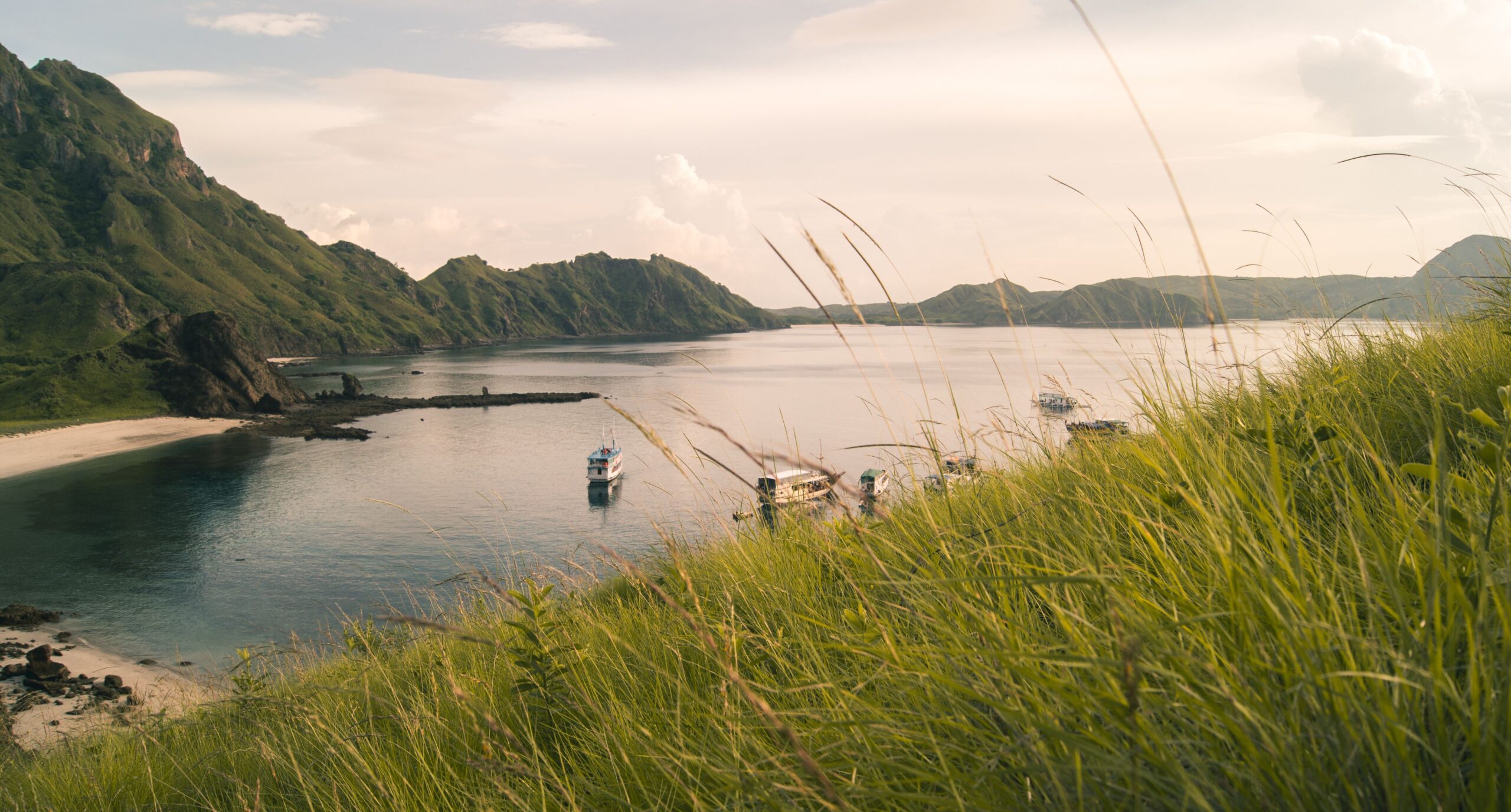
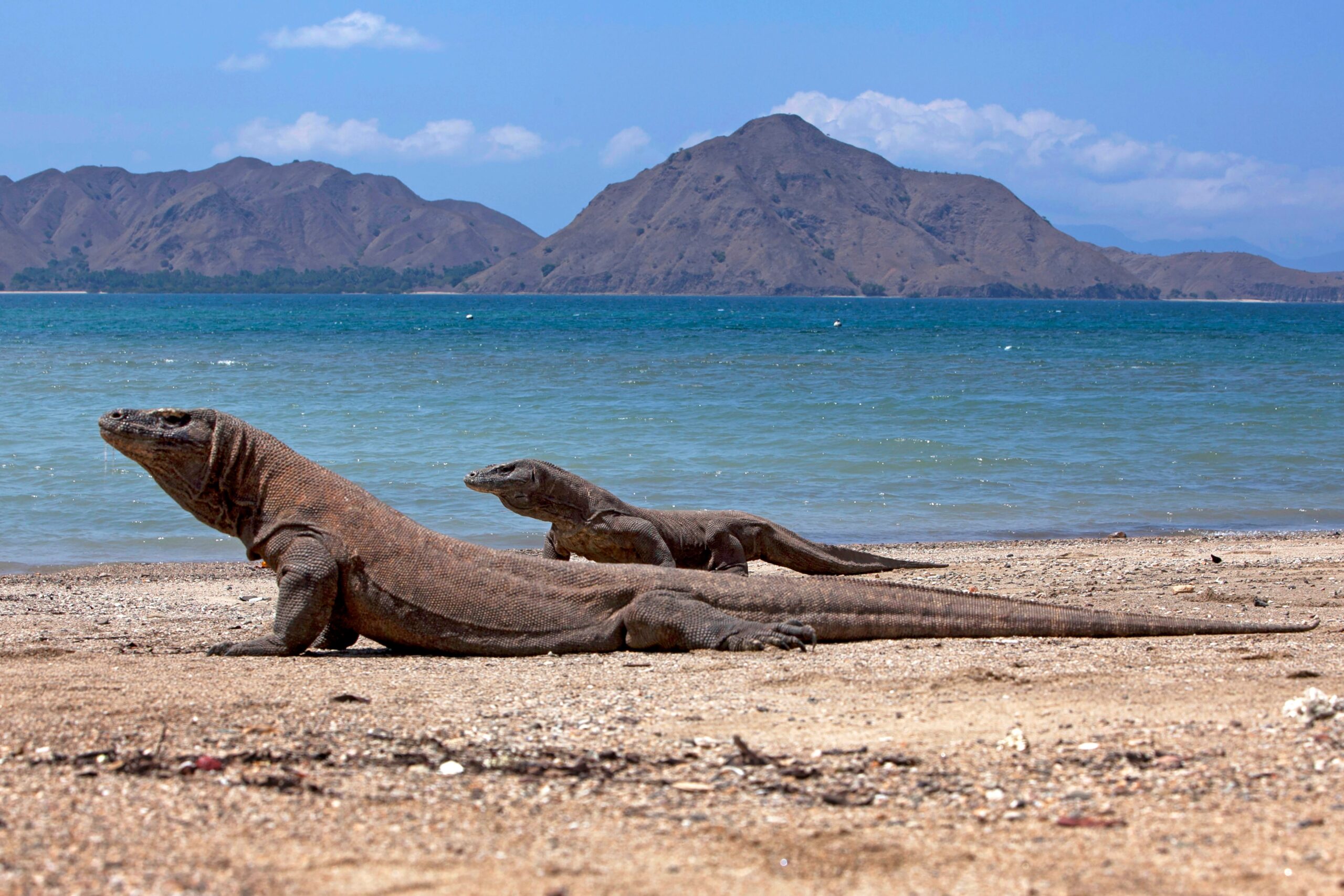
During these months, travelers can often enjoy clearer skies and better conditions for sightseeing. The dry landscape also creates the distinctive savanna scenery that makes the islands so recognizable.
However, dry weather does not automatically mean perfect conditions every day. Strong winds, waves, or changes in local weather can still occur. Therefore, treat the dry season as a general guideline rather than a guarantee of calm seas.
Read Also: How to Plan a Komodo Trip Around Your Bali Vacation
What Happens During the Rainy Season?
The wetter months can bring more unpredictable conditions. Rain does not necessarily occur throughout the entire day, but heavier rainfall and stronger winds can affect outdoor plans.
Indonesia Travel notes that January and February can be particularly challenging for boat trips because of frequent storms and higher waves in Flores.
Consequently, travelers visiting during wetter periods should allow more flexibility in their schedule. A responsible tour operator may change the route, postpone an activity, or replace a destination when sea conditions become unsafe.
Rather than viewing these changes as a failed trip, remember that weather adjustments exist to protect passengers and crew.
Why Sea Conditions Are Especially Important
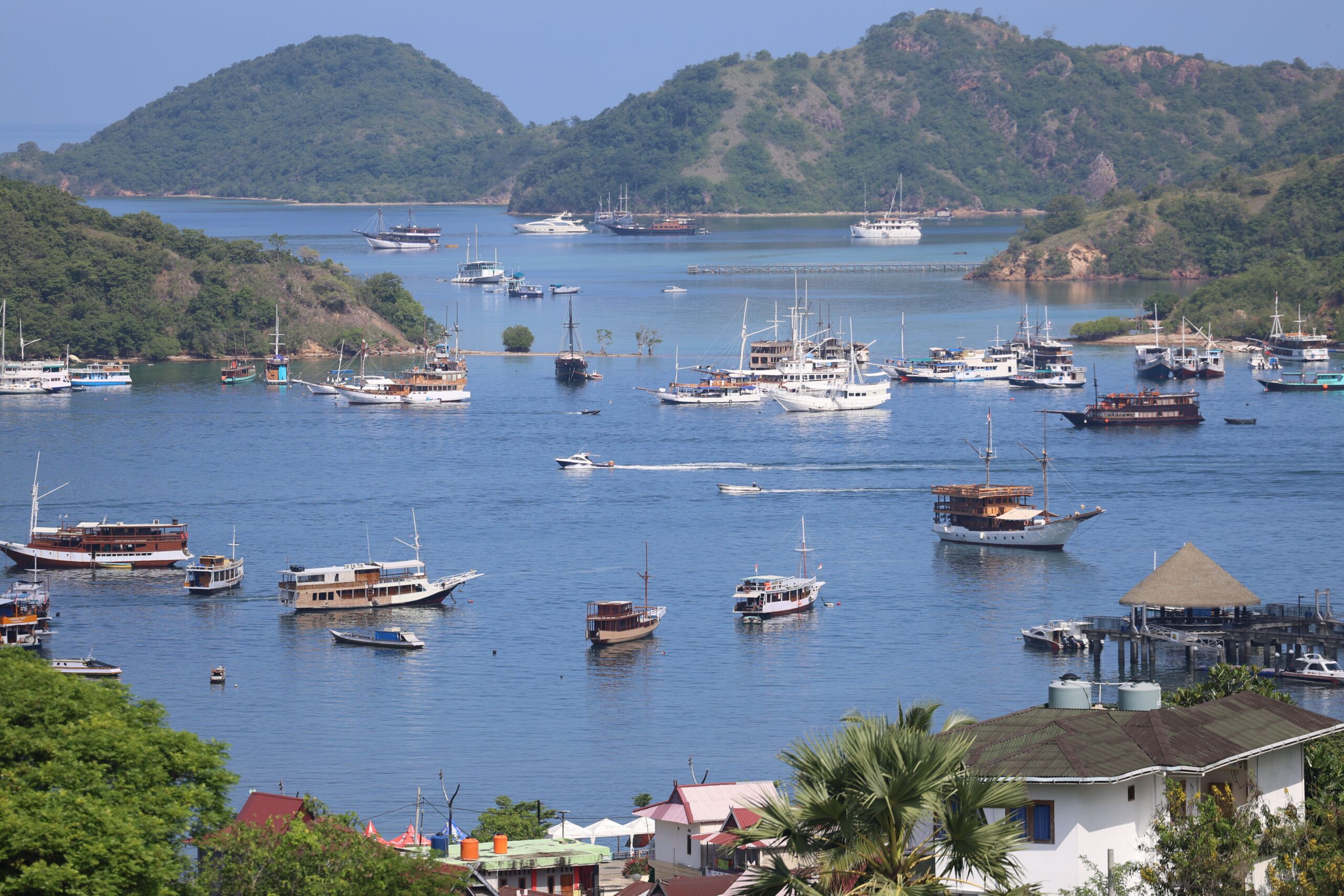
Weather and sea conditions are closely connected, but they are not exactly the same. You may see blue skies from Labuan Bajo while the water between islands remains rough.
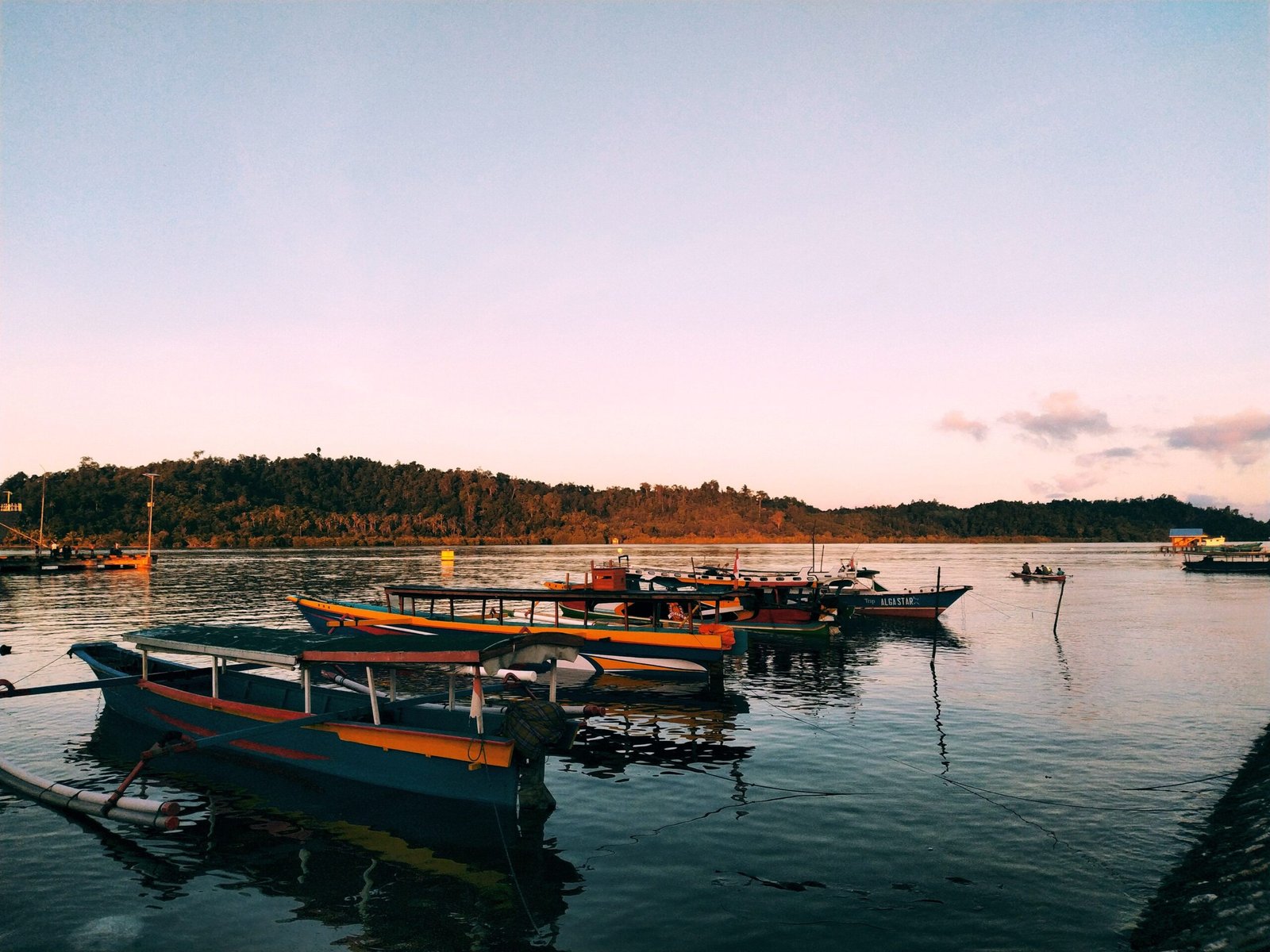
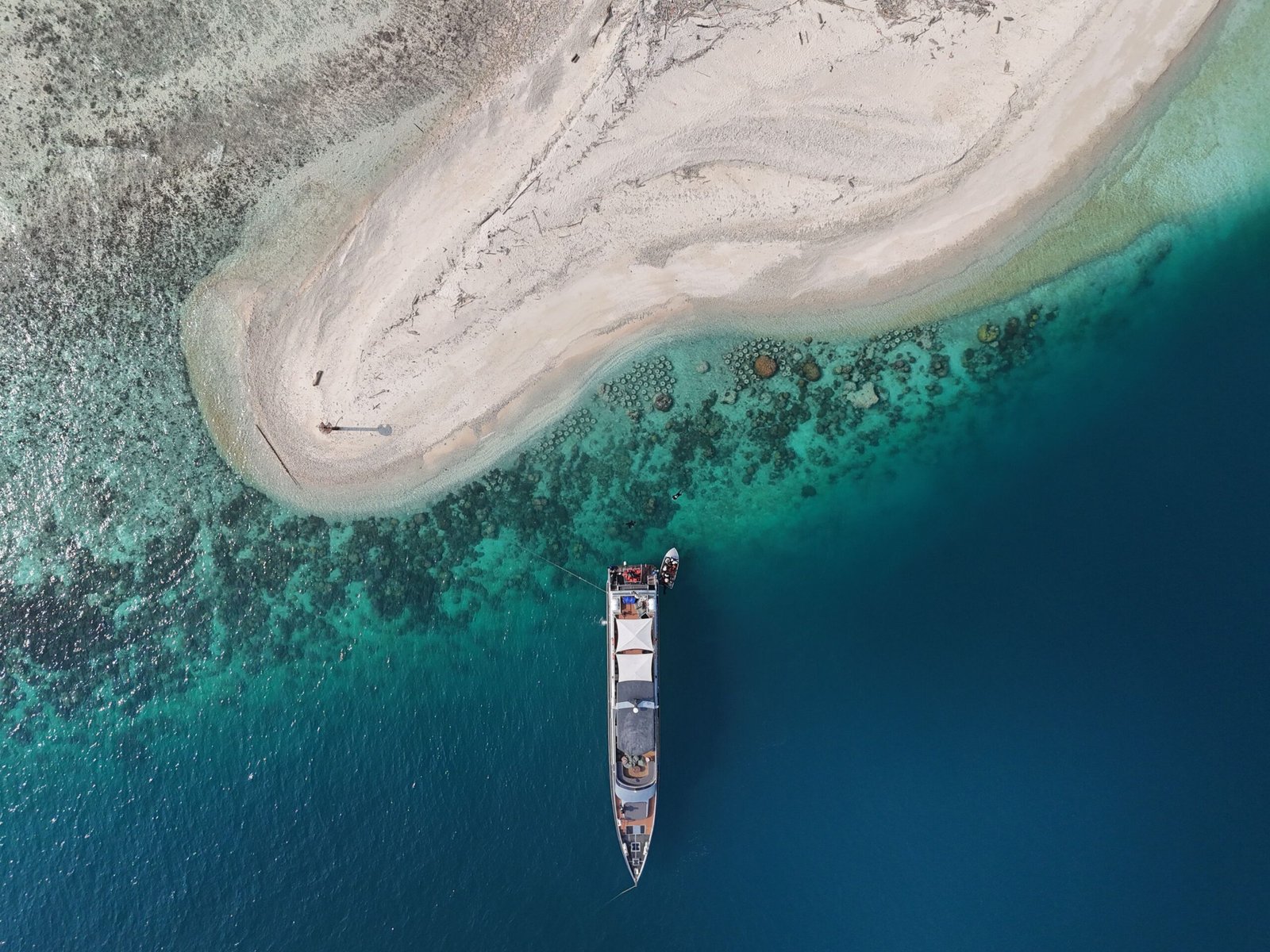
This difference matters because most Komodo adventures involve boat transportation. Strong winds, waves, and currents can affect travel time and passenger comfort.
Indonesia Travel specifically recommends early visits to parts of the park because afternoon conditions can become choppier, with stronger currents affecting boat travel.
Therefore, an early departure can sometimes provide a more comfortable experience, particularly for travelers who are sensitive to boat movement.
Check Conditions Before Your Boat Leaves
Do not rely only on a weather application several days before your trip. Check the latest forecast as your departure approaches and ask your tour operator about the conditions on the planned route.
The crew has practical knowledge of local waters and can assess whether a particular destination remains suitable. If they recommend changing the route, follow their advice.
Moreover, conditions can vary between locations. A calm area near Labuan Bajo does not necessarily mean that every snorkeling site will have equally calm water.
Plan Your Activities Around the Weather
Your itinerary should reflect the conditions you are likely to encounter. If you plan to hike Padar Island, for example, an early start can help you avoid the strongest daytime heat.
Indonesia Travel recommends an early visit to Padar because morning temperatures are more comfortable for the climb.
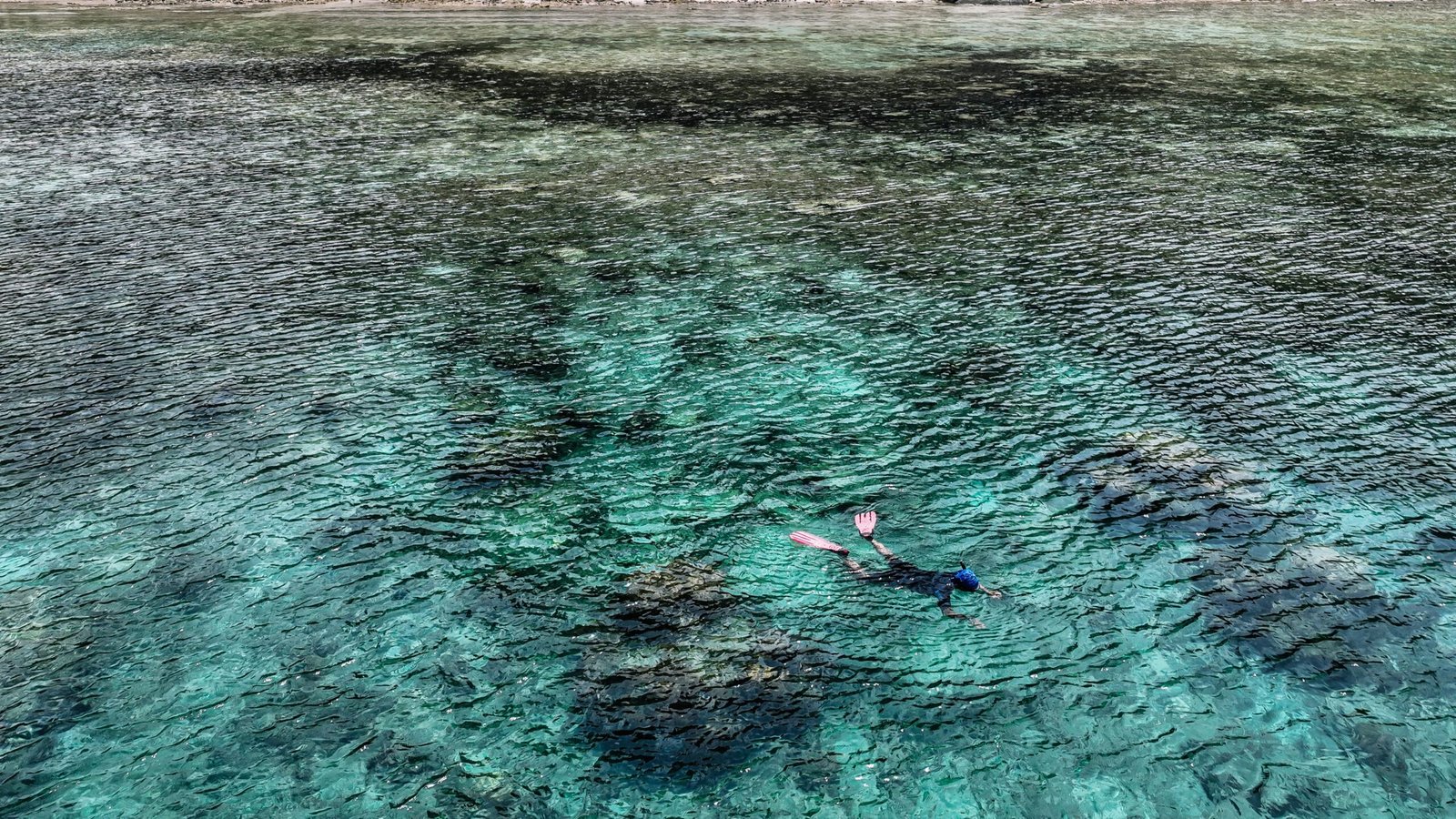
Similarly, travelers who want to snorkel should remain flexible about the location. Water clarity, currents, wind, and waves can influence whether a particular site is suitable on a specific day.
Therefore, do not become too attached to one exact snorkeling spot. The best location can change depending on the conditions.
Prepare for Strong Sun and Heat
Even when the sea remains calm, the tropical sun can make a Komodo adventure physically demanding. The dry climate produces hot conditions, especially during outdoor activities.
Indonesia Travel highlights the importance of sun protection and sufficient water when exploring Komodo.
Pack lightweight clothing, sunscreen, sunglasses, a hat, and enough drinking water. Comfortable footwear also becomes important if your itinerary includes walking across rocky or uneven terrain.
Additionally, take regular breaks during hikes. You do not need to rush to reach every viewpoint.
Be Prepared for Wind on the Boat
A boat can feel considerably cooler and windier than the land, particularly during an early morning departure. Even when temperatures are warm, the breeze can make the journey uncomfortable.
Bring a lightweight jacket or long-sleeved layer that you can easily store when temperatures rise. At the same time, protect your belongings from spray by using a waterproof bag or pouch.
If you experience seasickness, prepare before boarding. Eat a light meal, stay hydrated, and consider an appropriate preventive option if you normally use one.
Weather Can Affect Snorkeling Conditions
Komodo is famous for its marine biodiversity, but underwater conditions depend heavily on the sea. Strong currents form part of the region’s natural environment and help support its rich marine ecosystem.
However, strong currents can also create challenging conditions for inexperienced swimmers. Your guide should determine whether the water is suitable before you enter.
If the crew advises against snorkeling at a particular location, follow their recommendation. The itinerary can change, but your safety should remain the priority.
Keep Your Itinerary Flexible
One of the smartest ways to prepare for changing weather is to avoid creating an overly rigid schedule.
For example, instead of expecting to visit a specific snorkeling location at an exact time, allow your operator to choose the most suitable destination based on the conditions.
This flexibility can actually improve your experience. You may discover a different reef, beach, or viewpoint that was not originally part of your plan.
In addition, leave some time between major transportation arrangements. If rough seas slow down your boat, a flexible schedule gives your operator more options without creating unnecessary pressure.
Ask the Right Questions Before Booking
Before confirming your Komodo tour package, ask the operator several practical questions:
- What type of boat will be used?
- How long will the boat spend at sea?
- What happens if weather conditions change?
- Can the itinerary be adjusted?
- Which snorkeling locations are included?
- Does the crew provide safety equipment?
- Is drinking water available on board?
- What time does the boat normally depart and return?
These questions can help you understand what to expect and identify operators who take safety seriously.
Consider the Season When Choosing Your Trip
The best travel period depends partly on what you want to do. Travelers focused on hiking and sightseeing may prefer the drier months because weather and sea conditions are generally more convenient for outdoor activities.
Meanwhile, travelers interested in marine activities should also consider visibility, currents, and local sea conditions rather than focusing only on rainfall.
Indonesia Travel identifies April to June and September to December as favorable periods for visiting Komodo, while September to November can be particularly interesting for travelers hoping to see manta rays and other marine life.
Still, weather and sea conditions can vary from day to day, so always check the latest information before departure.
Read Also: Island Hopping: Simple Ways to Reduce Plastic Waste During Your Adventure
Pack for Changing Conditions
A good packing list should prepare you for both sun and wind. Consider bringing:
- Lightweight, breathable clothing
- A light jacket
- Sunscreen
- Sunglasses
- A hat
- Comfortable walking shoes
- Swimwear
- A reusable water bottle
- Waterproof bags or pouches
- Motion-sickness supplies if needed
- Personal medication
Keep important belongings somewhere dry and secure. Boat spray can reach passengers even when the sea does not appear particularly rough.
Follow Your Crew’s Safety Advice
Final Thoughts
Understanding weather and sea conditions can make your Komodo adventure safer and more enjoyable. The region’s tropical climate, strong currents, seasonal rainfall, and changing wind conditions can all influence how you experience the islands.
The dry season from around April to October generally offers favorable conditions for outdoor activities, but weather can still change unexpectedly. For this reason, review your Day trip Komodo itinerary before departure and make sure you understand which activities may be affected by changing conditions.
Ultimately, the best approach is to prepare without becoming too rigid. Check the forecast, ask your tour operator about current conditions, pack for both heat and wind, and remain open to itinerary changes.
With sensible preparation and a flexible attitude, you can enjoy the spectacular landscapes, wildlife, beaches, and underwater world of Komodo National Park while keeping safety at the center of your journey.