Komodo National Park: Explore the Most Scenic Sailing Routes – Exploring Komodo National Park by boat offers a completely different perspective of Indonesia’s spectacular island landscapes. Instead of seeing the destination from a single location, travelers can move between rugged hills, secluded beaches, turquoise bays, and small islands scattered across the Flores Sea.
A sailing journey also connects many of the park’s most popular attractions in one adventure. Depending on your route, you may hike to a viewpoint, snorkel above coral reefs, encounter Komodo dragons, relax on a beach, and watch the sunset from the water.
However, no single sailing route suits every traveler. Your ideal route depends on the length of your trip, preferred activities, weather, sea conditions, and the destinations you want to prioritize. Therefore, understanding the main routes can help you create a more enjoyable Komodo tour package.
Why Explore Komodo by Boat?
Labuan Bajo as Your Starting Point
Most visitors begin their Komodo adventure in Labuan Bajo, the main gateway to the national park.
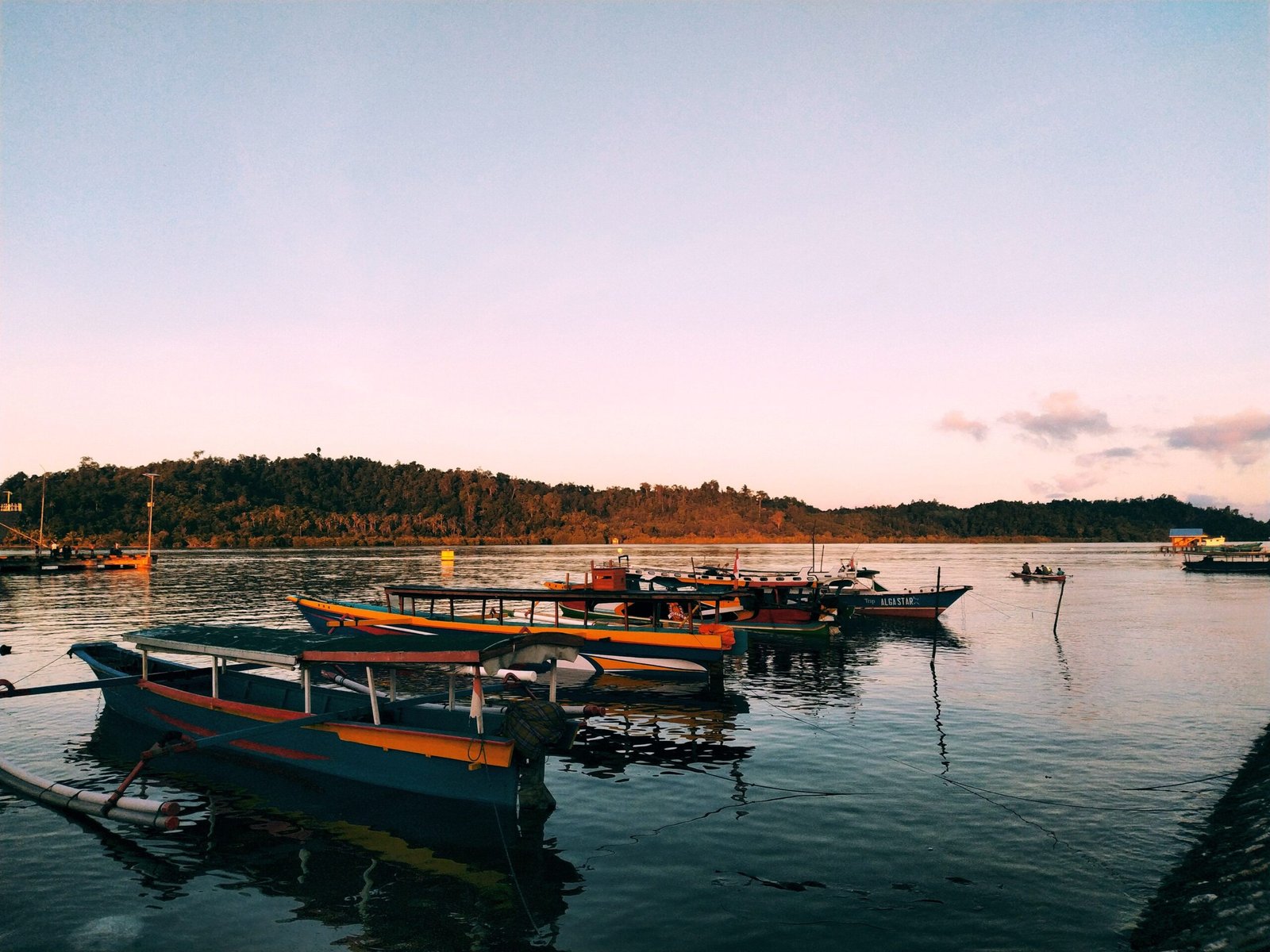
The town provides access to numerous boat operators offering day trips, private charters, and longer sailing journeys.
Before departure, check your itinerary carefully. Different operators may use different routes depending on the boat, duration, and current conditions.
If you only have one day, you will generally need to prioritize several destinations rather than attempting to see everything.
For longer trips, you have greater flexibility and can spend more time exploring smaller islands and quieter areas.
Read Also: Komodo Photography Tips: How to Take Great Photos With Your Phone
The Padar Island Route
Pink Beach and Its Surrounding Waters
Pink Beach offers another popular stop along many routes through Komodo National Park.
The beach gets its distinctive appearance from a mixture of pale sand and tiny fragments of red coral. The exact intensity of the pink color can vary depending on lighting, tides, and viewing conditions.
After arriving, travelers can relax on the beach or explore the surrounding water.
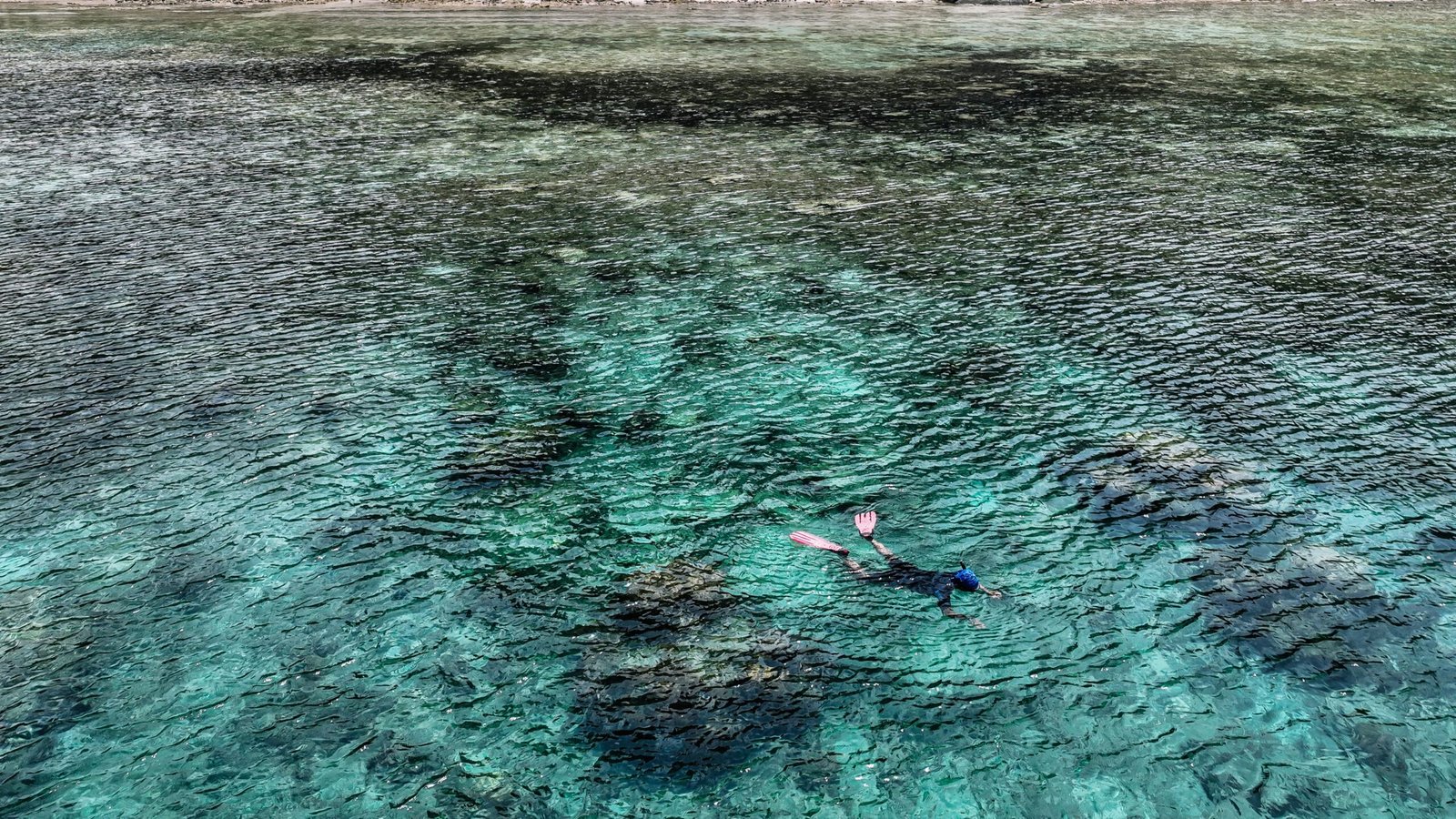
Snorkeling can add another dimension to the visit because the marine environment around Komodo National Park contains diverse coral and fish species.
However, avoid standing on coral or touching marine life. Protecting the underwater environment should remain part of every snorkeling experience in Komodo National Park.
Komodo Island for Wildlife Encounters
For many visitors, seeing a Komodo dragon represents the main reason for visiting the national park.
Komodo Island provides opportunities to observe these reptiles in their natural habitat with the guidance of park rangers.
Wildlife encounters require patience and respect. Never approach a dragon independently, attempt to touch it, or try to attract it for a photograph.
Instead, remain with your group and follow your ranger’s instructions.
The surrounding landscape also contributes to the experience. Dry forests, grasslands, and coastal areas create a natural backdrop for wildlife observation.
Rinca Island as an Alternative Wildlife Destination
Rinca Island is another important location for travelers interested in Komodo dragons.
The island offers wildlife trekking opportunities and a different landscape from Komodo Island.
Your experience can vary depending on the route, weather, and wildlife activity on the day of your visit.
Therefore, do not expect every wildlife encounter to follow the same pattern.
A knowledgeable ranger can help you understand the animals and the environment while keeping the group at a safe distance.
Kanawa Island for Snorkeling
If marine activities are your priority, consider including Kanawa Island in your route.
The island is known for clear water, white sand, coral reefs, and tropical fish. Its combination of beach scenery and underwater attractions makes it a popular addition to island-hopping itineraries.
After a hike or wildlife trek, a snorkeling stop can also provide a welcome change of pace.
However, sea conditions can affect visibility and swimming conditions. Always listen to your boat crew before entering the water.
Kelor Island for a Short Island Escape
Kelor Island offers a smaller-scale experience compared with some of the park’s more famous destinations.
Travelers can enjoy the beach, swim, snorkel, or simply appreciate the surrounding scenery.
Because the island does not require the same type of extended wildlife trek as Komodo or Rinca, it can fit naturally into a more relaxed itinerary.
This makes Kelor useful for travelers who want to combine active sightseeing with periods of downtime.
Menjerite for Marine Scenery
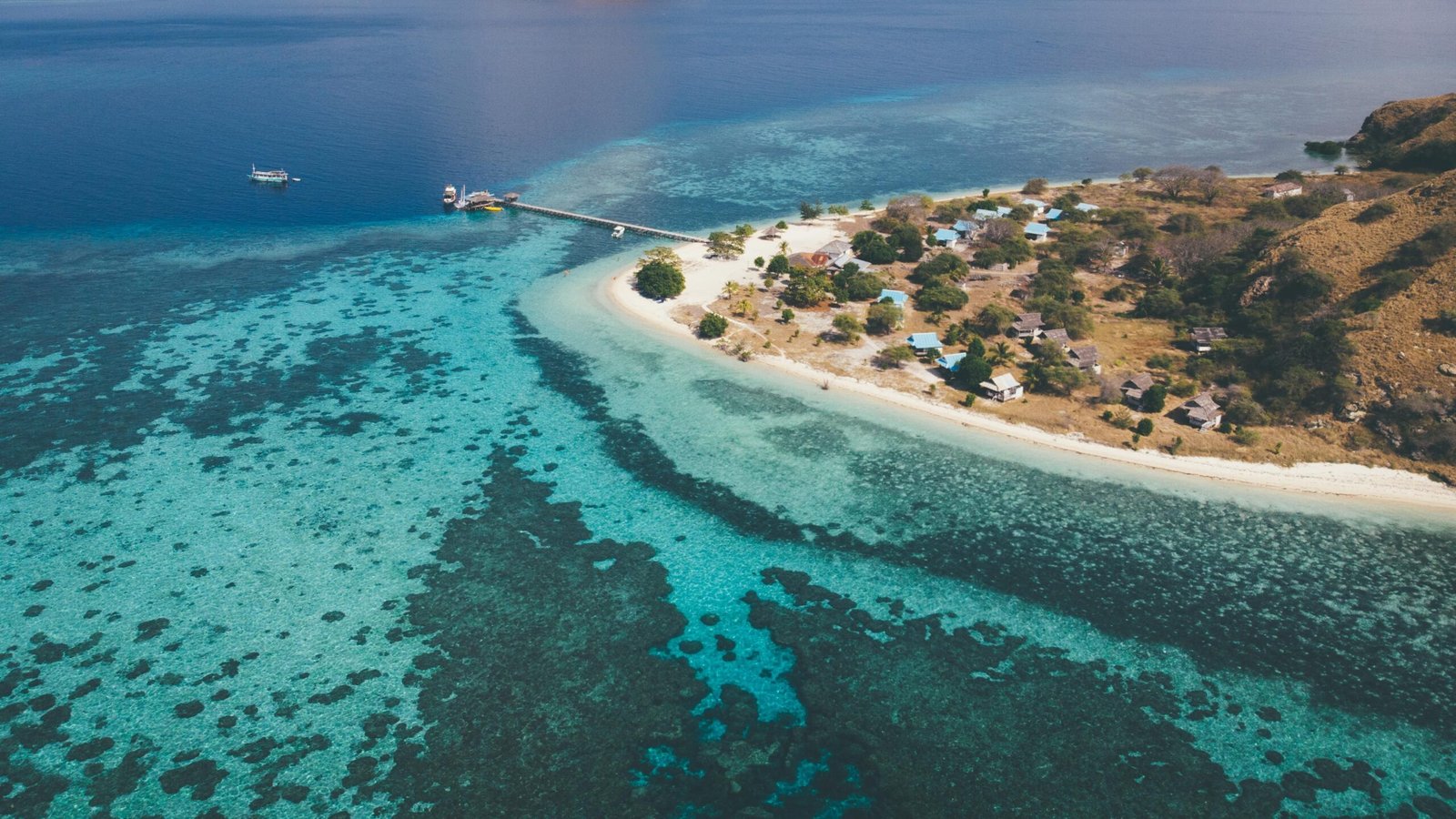
Menjerite is another location that can complement a sailing itinerary.
The area is particularly appealing to travelers who enjoy snorkeling and clear coastal water.
Instead of focusing only on famous beaches, adding a marine stop such as Menjerite can introduce more variety to your day.
Furthermore, the boat journey between destinations gives you opportunities to enjoy the changing landscape.
Sebayur Island for a Quieter Experience
Travelers who prefer to move beyond the busiest attractions can consider Sebayur Island.
Its coastal environment offers opportunities for snorkeling and enjoying the surrounding scenery.
The island can work well as part of a private or customized route where you have greater flexibility over how long you spend at each location.
However, availability and route options depend on your operator and current sea conditions.
Kalong Island at Sunset
Kalong Island provides one of the most distinctive evening experiences around Labuan Bajo.
The island’s mangrove environment provides a habitat for flying foxes. Around dusk, these animals may leave their roosting areas and fly across the evening sky.
Watching the flying foxes from the boat creates a memorable end to a day on the water.
Instead of treating Kalong as only a sunset viewpoint, take time to appreciate the mangrove ecosystem and wildlife.
Because these are wild animals, sightings can vary. Therefore, remain patient and avoid making noise or attempting to attract them.
Build Your Route Around Your Interests
The best sailing route depends on what you want to experience.
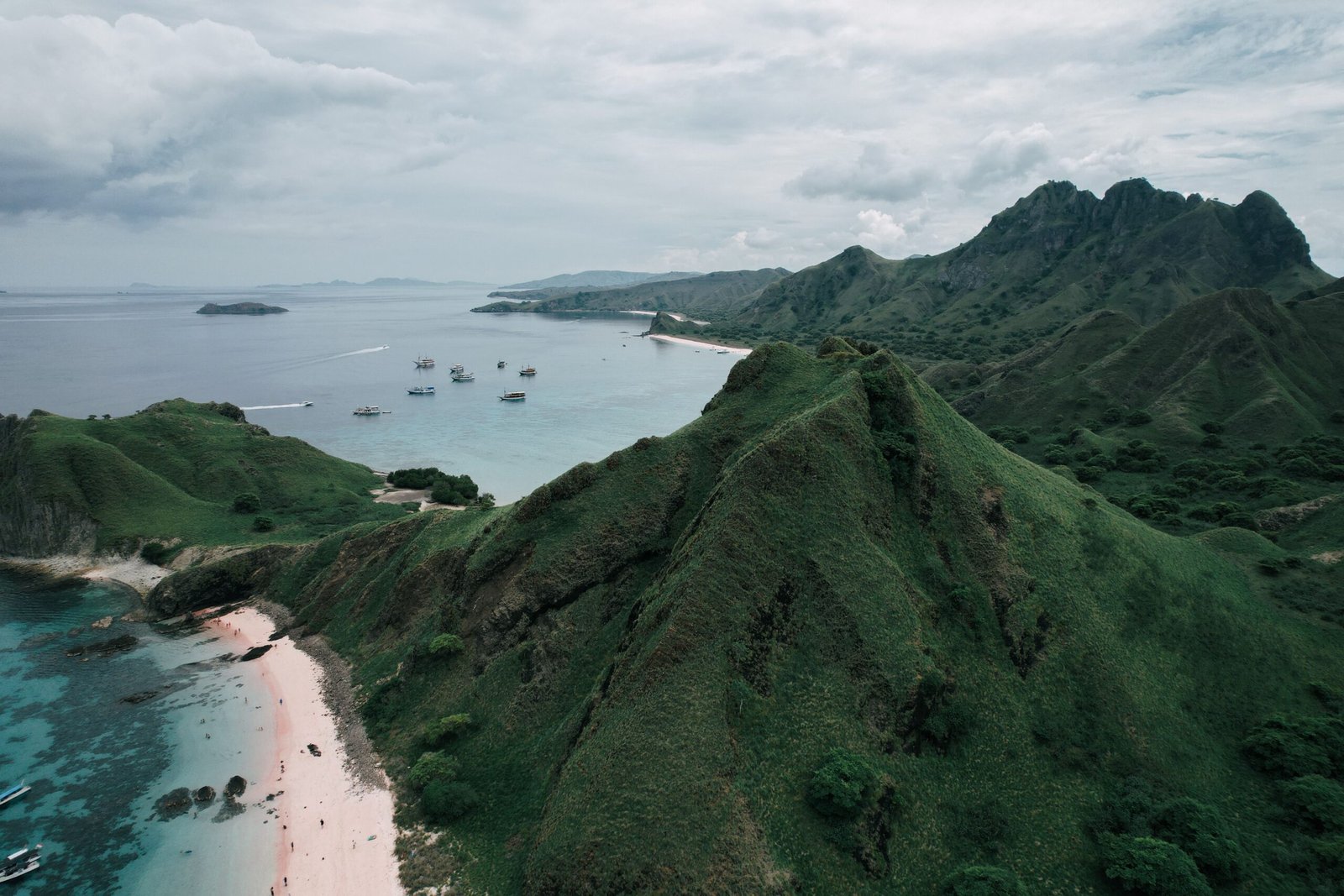
If you prioritize landscapes and photography, Padar Island should receive more attention.
If you prefer wildlife, consider routes that include Komodo or Rinca.
If you enjoy snorkeling, destinations such as Kanawa and Menjerite may fit your interests.
For travelers seeking a relaxed experience, Kelor and quieter coastal stops can provide a better balance.
You do not need to visit every destination to have a rewarding trip.
One-Day Sailing Route
A one-day trip requires careful planning because you have limited time on the water.
A typical itinerary may combine several highlights, such as:
- Morning: Labuan Bajo departure → Padar Island
- Late morning: Pink Beach → snorkeling or beach time
- Afternoon: Komodo Island → wildlife trekking
- Late afternoon: Another snorkeling or beach stop
- Evening: Return toward Labuan Bajo
The exact order can change depending on your operator, weather, sea conditions, and departure time.
Therefore, review the complete Day trip Komodo itinerary before booking.
Multi-Day Sailing Route
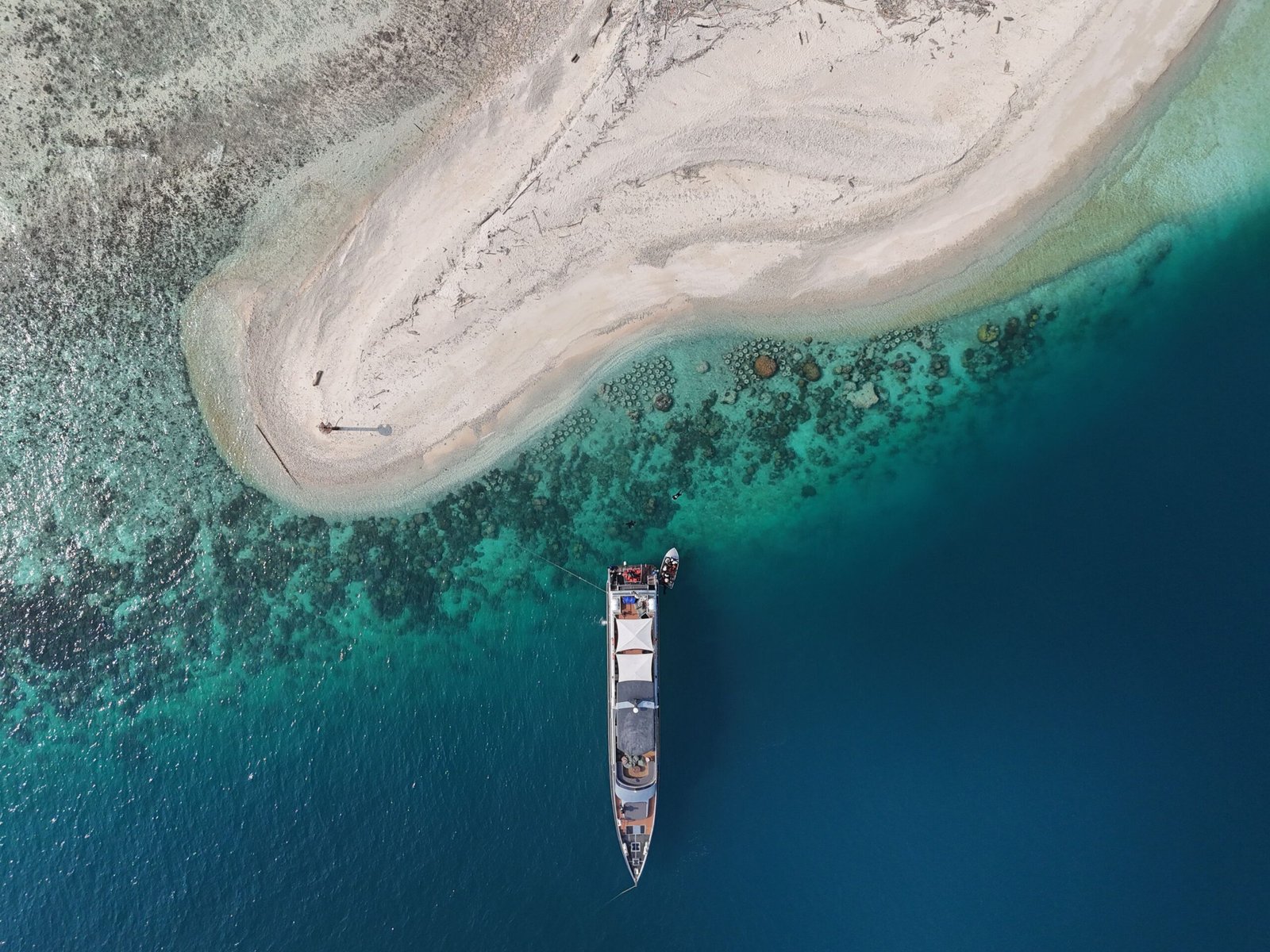
A multi day trip provides more freedom. Instead of rushing between attractions, you can spend additional time snorkeling, exploring smaller islands, and watching sunsets from the boat.
A longer journey may also allow you to visit destinations that do not fit comfortably into a one-day schedule.
For travelers who enjoy slow travel, this option can feel less demanding.
However, spending several nights on a boat requires additional preparation. Check the sleeping arrangements, bathroom facilities, meals, charging options, and boat capacity before booking.
Private Boat or Shared Boat?
Your choice of boat can also influence your route.
A private boat gives your group greater flexibility and can make it easier to discuss preferences with the crew.
A shared boat, meanwhile, usually follows a predetermined schedule. This option can be more affordable and may suit travelers who enjoy meeting other passengers.
Neither option is automatically better.
Instead, choose based on your budget, group size, desired privacy, and preferred pace.
Check Weather and Sea Conditions
Sailing routes around Komodo depend heavily on natural conditions.
Wind, waves, tides, and currents can affect travel times and determine whether certain activities remain suitable.
Therefore, do not assume that your planned route will always operate exactly as advertised.
A responsible captain may change the order of destinations or replace a stop when conditions become unfavorable.
Although an itinerary change can feel disappointing, prioritizing safety is always the right decision.
Respect the Marine Environment
A scenic sailing trip should not come at the expense of the environment.
Keep plastic waste on board until you can dispose of it properly. Avoid throwing anything into the sea.
During snorkeling, keep your fins away from coral and never touch marine animals.
Additionally, follow instructions about where boats can anchor and where visitors can swim.
Small actions from travelers can help reduce pressure on fragile marine ecosystems.
Read Also: How to Capture Amazing Photos in Komodo Without Professional Camera Gear
Prepare for a Day on the Water
A comfortable sailing experience starts with the right preparation.
Bring sunscreen, sunglasses, a hat, drinking water, comfortable clothing, and appropriate footwear.
A waterproof pouch can protect your phone and other valuables from splashes.
If you plan to take photographs, bring enough battery power and storage space.
Also save your itinerary and important contact information offline because mobile connectivity can become unreliable once you travel away from Labuan Bajo.
Keep Your Schedule Flexible
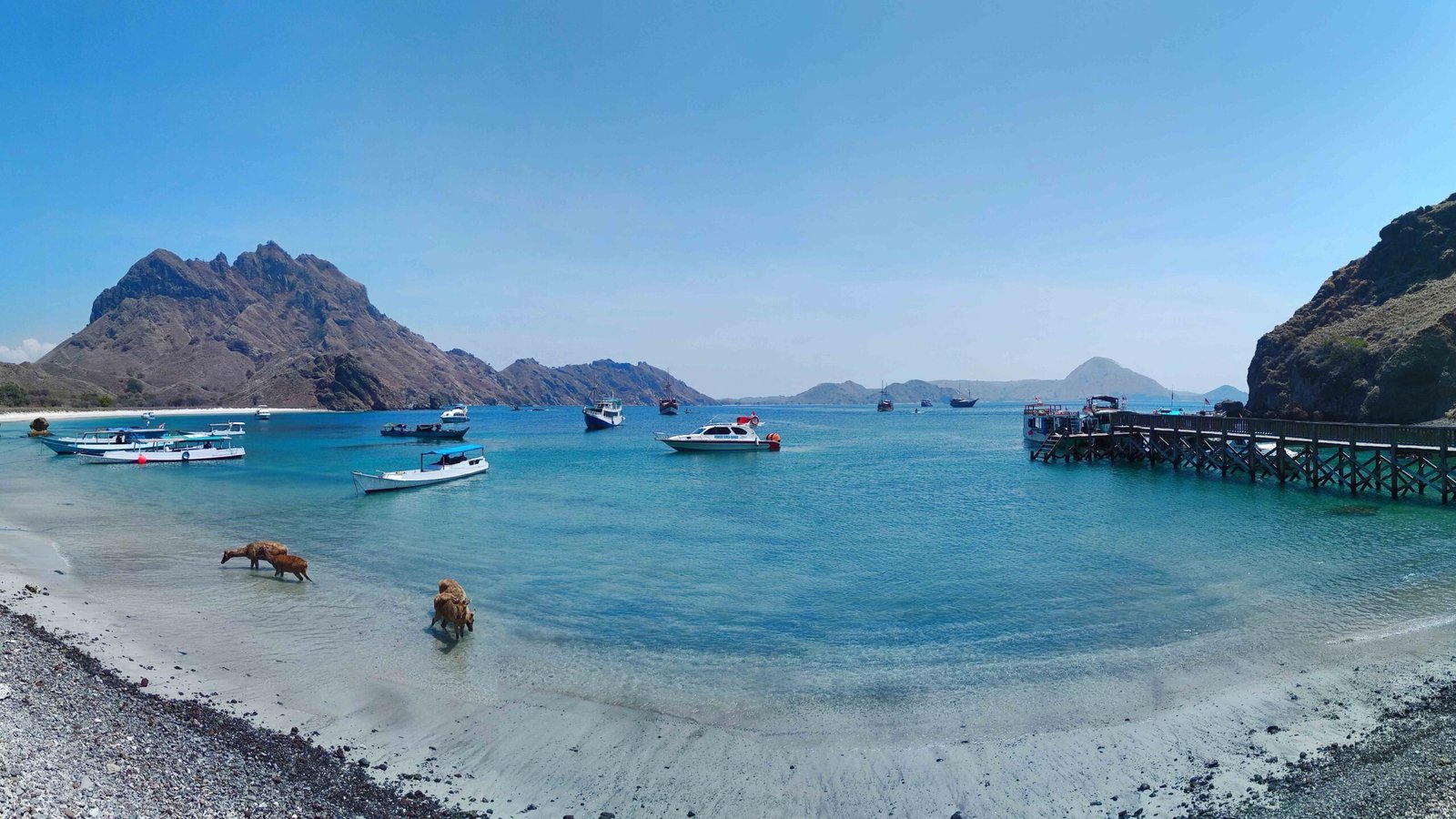
Although planning matters, flexibility can make your trip more enjoyable.
Wildlife sightings, weather conditions, sea conditions, and operational decisions can change your route.
Instead of focusing entirely on completing a checklist, enjoy the journey between destinations.
The scenery from the boat can become one of the most memorable parts of your trip.
Moreover, a flexible attitude allows your crew to make responsible decisions without unnecessary pressure.
Choose a Responsible Tour Operator
Your operator plays an important role in the quality of your sailing experience.
Before booking, ask about the boat, passenger capacity, safety equipment, itinerary, waste management, and environmental practices.
You should also ask how the operator responds to unfavorable weather and sea conditions.
A responsible company should prioritize passenger safety and environmental protection while still providing an enjoyable experience.
Final Thoughts
A sailing adventure around Komodo National Park allows travelers to experience far more than individual attractions. The journey connects dramatic viewpoints, wildlife habitats, beaches, snorkeling areas, mangrove forests, and quiet islands into one memorable experience.
Popular destinations such as Padar Island, Pink Beach, and Komodo Island can provide unforgettable highlights, while places such as Kelor, Kanawa, Menjerite, Sebayur, and Kalong can add variety to your route.
Ultimately, the best route depends on your interests, available time, budget, and comfort level. Review your Komodo tour package, check the planned destinations, and remain flexible when natural conditions require changes.
With thoughtful preparation and responsible travel habits, your sailing journey can become a rewarding way to discover the landscapes and marine beauty of Komodo National Park.