How to Capture Amazing Photos in Komodo Without Professional Camera Gear – You do not need expensive camera equipment to capture memorable photos during a trip to Komodo National Park. The dramatic landscapes, turquoise waters, rugged hills, wildlife, and tropical sunsets already provide a naturally photogenic setting. With a smartphone or basic camera, you can still create impressive images when you understand how to use light, composition, timing, and perspective. Reviewing your Day trip Komodo itinerary beforehand can also help you identify the best opportunities for photography.
Instead of worrying about professional lenses or complicated settings, focus on making the most of the equipment you already have. Moreover, thoughtful preparation can help you capture better photos without carrying heavy gear throughout your Komodo adventure.
Use Natural Light to Your Advantage
The quality and direction of light can significantly influence how your photos look and feel. Fortunately, Komodo offers plenty of natural light throughout the day, so you can create beautiful images without additional lighting equipment.
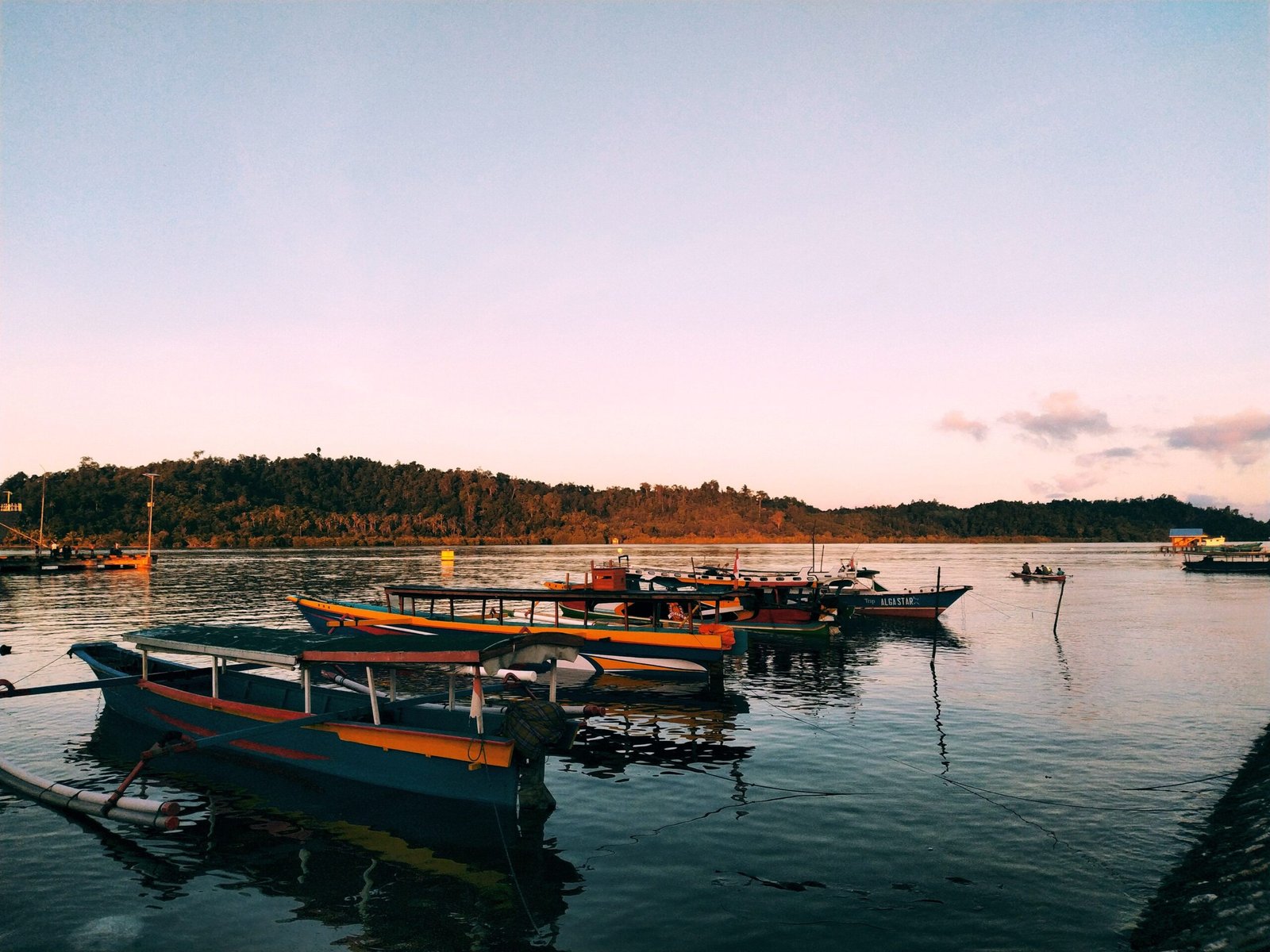
Early morning often provides softer light with less intense shadows. This makes it a good time to photograph landscapes, beaches, and boats leaving Labuan Bajo.
Meanwhile, late afternoon creates warmer tones that can add depth to hills, beaches, and surrounding islands. Therefore, if photography matters to you, consider planning some stops around these periods.
However, avoid relying only on midday sunlight. Strong overhead light can create harsh shadows and make colors appear less appealing.
Plan Around Golden Hour
Golden hour refers to the brief period near sunrise or sunset when the sunlight creates a soft, warm glow. These conditions can give your photographs a more atmospheric appearance.
For example, you can use the warm evening light to photograph the coastline, boats, or silhouettes of nearby islands.
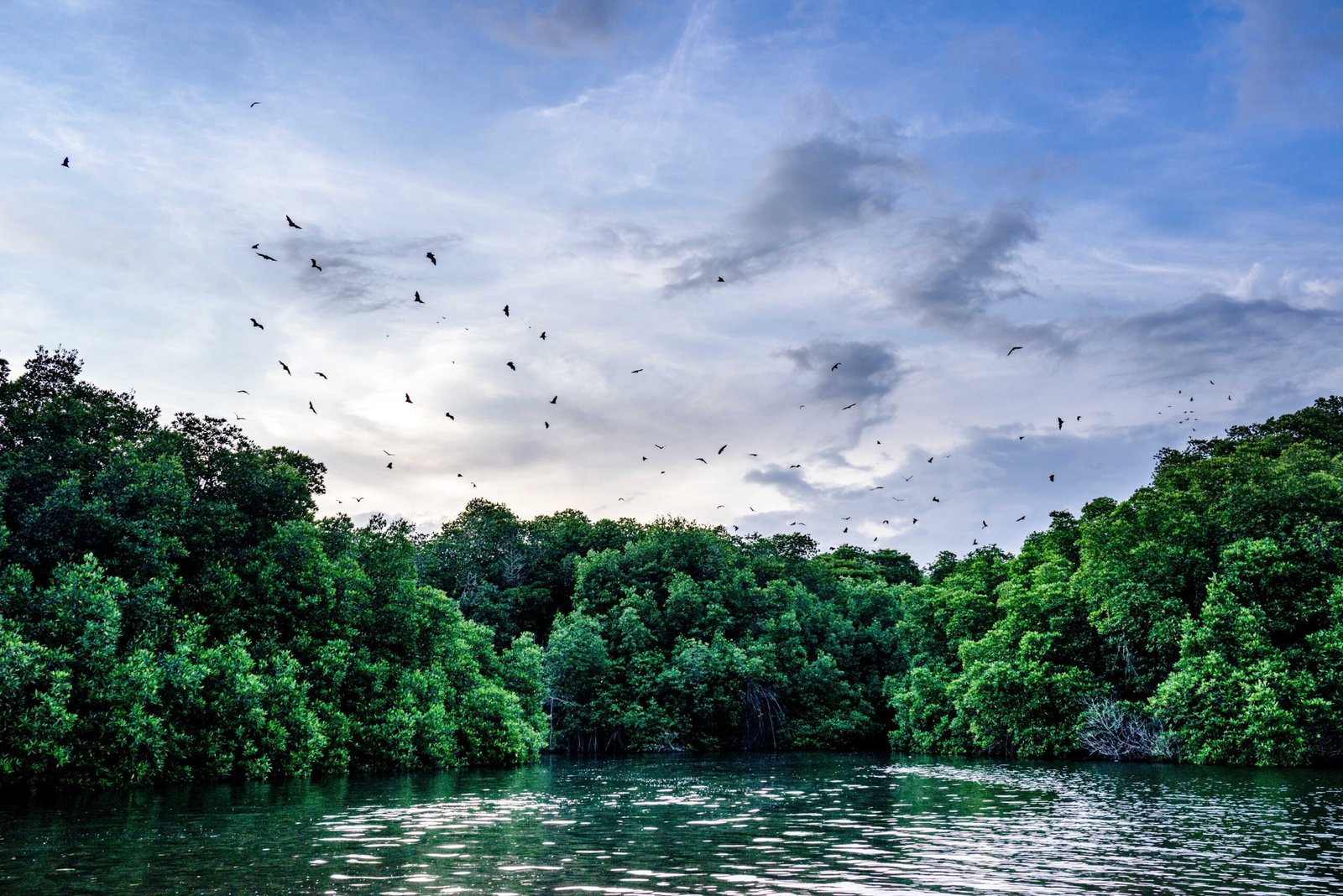
Kalong Island can be particularly interesting around sunset because travelers may observe flying foxes leaving their mangrove habitat as the day ends.
Instead of taking only one photograph, try several compositions as the light changes. The sky may look completely different within a few minutes.
Keep Your Lens Clean
A small adjustment like this can noticeably improve the quality of your photos.
Your smartphone camera spends most of its time inside your pocket or bag, where fingerprints, dust, and sunscreen can accumulate on the lens.
Before taking photographs, gently wipe the lens with a soft, clean cloth.
A clean lens can produce sharper images and clearer highlights, particularly when photographing bright skies or water.
Therefore, make cleaning your lens part of your photography routine during your Komodo day trip.
Use the Rule of Thirds
You do not need advanced photography knowledge to improve composition.
One easy technique involves placing your main subject slightly away from the center of the frame. Many smartphones allow you to activate a grid that divides the screen into thirds.
You can position the horizon along one of the horizontal lines while placing an island, boat, or person near an intersection point.
This approach can create a more balanced photograph than simply placing everything directly in the middle.
At the same time, experiment with centered compositions when they suit the scene. Photography rules can guide you, but they do not need to limit your creativity.
Photograph the Landscape in Layers
Komodo’s landscapes often contain several elements that you can use to create depth.
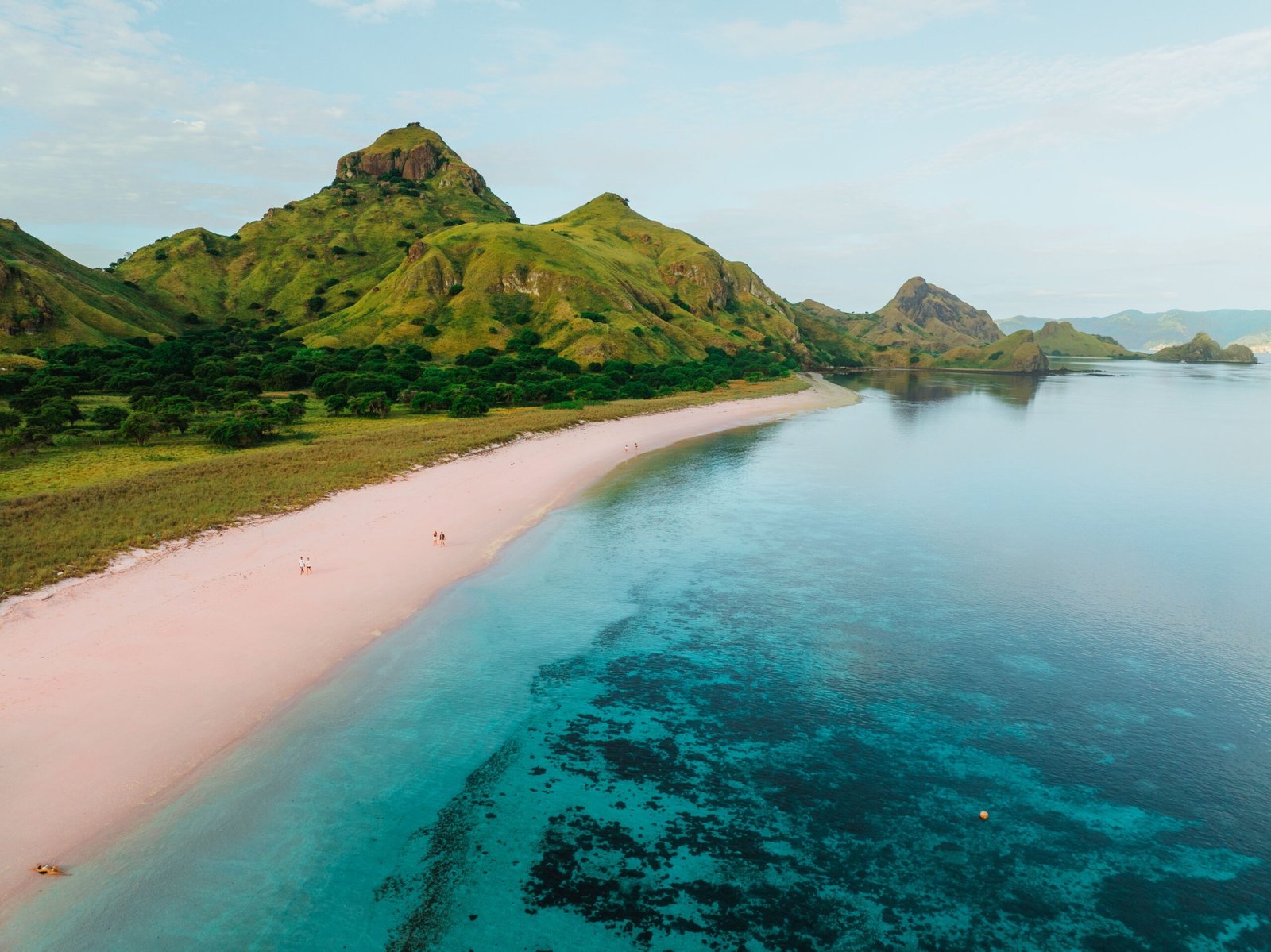
Instead of photographing only the distant hills, include something in the foreground. A boat, rock, tree, or person can create a sense of scale.
For example, when photographing Padar Island, you can include part of the trail or surrounding vegetation in the foreground while keeping the dramatic coastline in the background.
This technique helps viewers understand the size and distance within the scene.
Read Also: How Marine Conservation Helps Preserve Komodo’s Underwater Paradise
Capture More Than the Main Attraction
Many travelers photograph the same famous viewpoints. While these images can look beautiful, you can make your photographs more personal by looking beyond the obvious subject.
Instead of photographing only the top of Padar Island, capture the path leading toward the viewpoint.
Rather than taking another standard beach photograph, photograph the movement of the water around the shoreline.
Likewise, during a snorkeling trip, capture the boat, equipment, and surrounding landscape before entering the water.
These smaller details can tell a more complete story about your journey.
Use People to Add Scale
People can help communicate the size of Komodo’s landscapes.
A person standing on a hill, walking along a beach, or sitting on a boat can provide a visual reference.
If you photograph travel companions, avoid placing them directly in front of the most important part of the landscape. Instead, position them slightly to one side.
Furthermore, candid photographs often feel more natural than heavily posed images.
Ask your companions to walk naturally, look toward the scenery, or interact with their surroundings.
Photograph Wildlife Responsibly
Komodo National Park offers opportunities to observe wildlife, but photography should never interfere with animal behavior.
When photographing Komodo dragons, manta rays, monkeys, birds, or other animals, maintain a safe distance and follow your ranger or guide’s instructions.
Never approach an animal simply to get a closer photograph.
Similarly, do not chase wildlife if it moves away.
A responsible wildlife photograph captures the animal in its natural environment without causing unnecessary disturbance.
Use Your Phone’s Portrait Mode Carefully
Portrait mode can create attractive photographs by separating the subject from the background. It works particularly well for people, food, and close-up details.
However, do not use it automatically for every photograph.
Landscape scenes usually benefit from keeping more of the environment in focus. Therefore, switch back to the standard camera mode when photographing islands, beaches, boats, or wide scenery.
Experiment with both options and decide which one communicates the scene better.
Avoid Excessive Digital Zoom
Smartphones make it easy to zoom in, but digital zoom can reduce image quality. Instead of immediately zooming, move closer when it is safe and appropriate.
For wildlife, however, never move closer just for the sake of photography. Use the optical zoom available on your phone if you have it, or simply capture the animal within its environment.
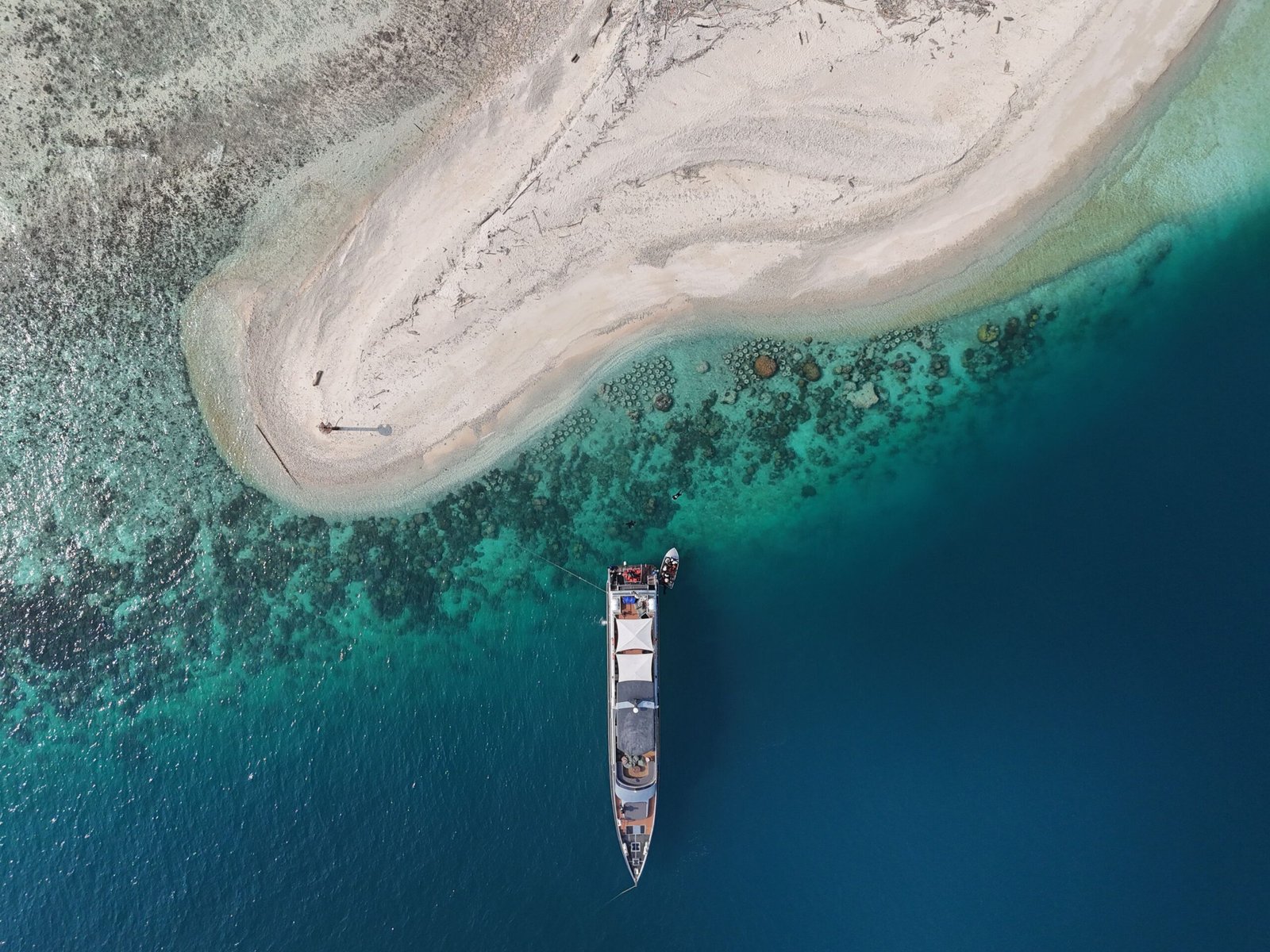
A slightly wider photograph can often tell a more interesting story than a low quality close up. Try Different Angles. Changing your position can completely transform a photograph. Instead of always taking pictures at eye level, try photographing from a lower angle, a higher viewpoint, or from the side. When photographing a beach, for example, get closer to the shoreline and use the water as a leading element.
From a boat, try different positions to capture the relationship between the vessel, the sea, and the surrounding islands. Therefore, before pressing the shutter, take a few seconds to consider whether another angle would improve the composition.
Use Reflections and Water
Komodo’s clear waters provide plenty of opportunities to experiment with reflections.
When the sea remains relatively calm, the surface can reflect boats, islands, and clouds.
Try positioning the horizon carefully and leaving enough space for the reflection.
However, avoid forcing the shot when waves or wind make the surface too rough. Natural conditions often determine whether reflections will work.
Capture the Underwater World With Your Phone
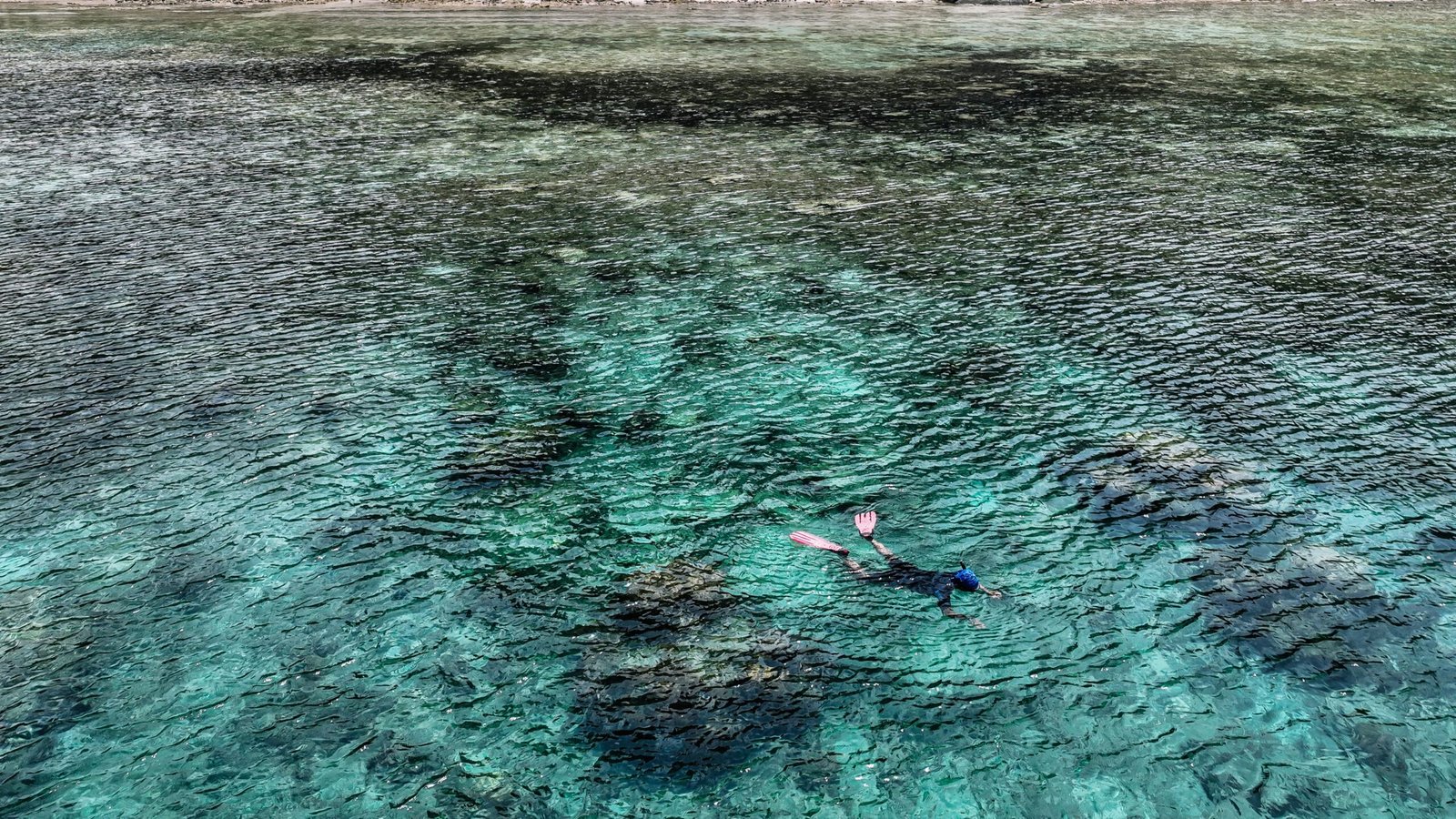
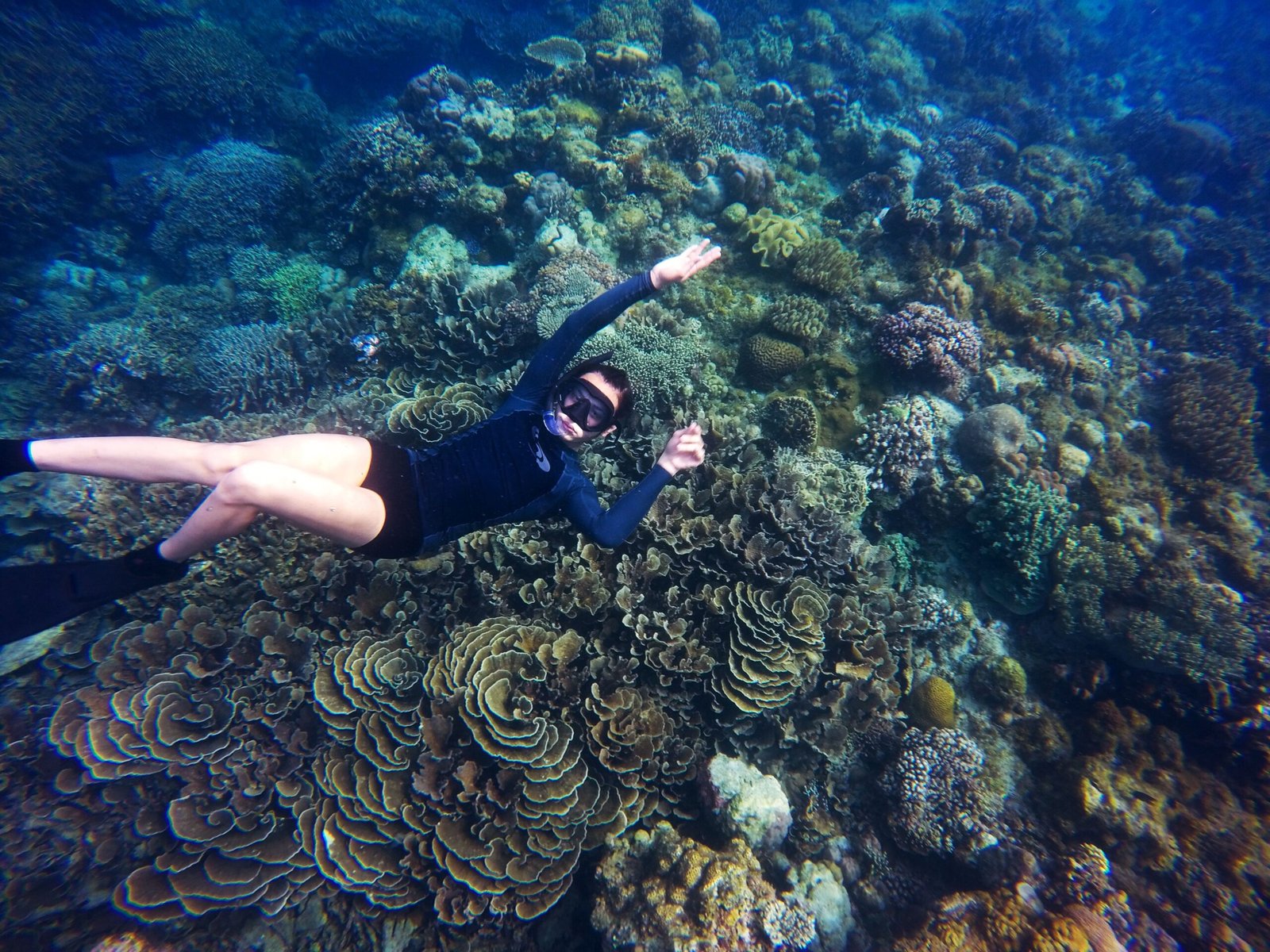
If your smartphone supports underwater photography with an appropriate waterproof case, you can capture snorkeling memories without professional equipment.
Before entering the water, check that the case seals correctly.
Underwater photography also requires patience. Water movement can make subjects difficult to frame, so take several photographs rather than relying on one shot.
Most importantly, never touch coral or marine animals simply to create a better photograph.
Protecting the environment should always take priority over getting the perfect image.
Keep Your Camera Dry
Boat trips expose your equipment to splashes, humidity, and saltwater.
Even if your phone is water resistant, protecting it from unnecessary exposure remains a good idea.
Use a waterproof pouch or dry bag when you are not taking photographs.
Before changing cases or opening any waterproof container, make sure your hands and the surrounding area are dry.
This simple habit can help prevent avoidable equipment damage.
Photograph the Journey, Not Just the Destination
Some of your best travel photographs may happen between attractions.
Capture the boat leaving the harbor, waves moving past the vessel, your travel companions preparing for snorkeling, or the changing landscape during the journey.
These photographs can create a visual story rather than a collection of isolated destinations.
Moreover, these moments are often easier to photograph because you can focus on composition without rushing toward the next attraction.
Take Advantage of Your Camera’s HDR Mode
Many smartphones include an automatic HDR function that helps balance bright and dark areas.
This can become useful when photographing landscapes with bright skies and darker foregrounds.
For example, if you photograph a person standing against a bright sunset, HDR may help preserve some detail in both the subject and the sky.
However, avoid applying HDR excessively during editing. Natural looking photographs usually remain more appealing than images with exaggerated contrast.
Do Not Overedit Your Photos
Editing can improve an image, but excessive adjustments can make photographs look unnatural.
Start with simple changes to brightness, contrast, highlights, shadows, and saturation.
If the sky looks completely artificial or the colors no longer resemble what you saw in person, reduce the effect.
Komodo already offers strong natural colors, so you often need only minor adjustments.
Save Your Photos During the Trip
Photography can quickly fill your phone’s storage, particularly if you record videos as well.
Before your trip, check how much storage space remains and delete unnecessary files.
If you have access to reliable Wi-Fi, back up important photographs regularly.
However, remember that mobile connectivity can become unreliable once you leave Labuan Bajo and travel offshore. Therefore, do not wait until the end of your trip to create your only backup.
Check Your Itinerary Before Leaving
Knowing your route can help you prepare for photography opportunities.
Review your Day trip Komodo itinerary and identify locations where you want to photograph landscapes, wildlife, beaches, or sunsets.
If Padar Island forms part of your route, prepare for a hike and keep your equipment lightweight.
If your itinerary includes snorkeling, bring suitable waterproof protection.
Planning ahead allows you to focus on photography without carrying unnecessary equipment.
Read Also: The Best Beaches Near Labuan Bajo Before or After Your Komodo Tour
Respect Other Travelers
Popular viewpoints can become busy, especially during peak travel periods.
Avoid blocking paths while taking photographs, and do not spend excessive time occupying a viewpoint if other visitors are waiting.
If you want a photograph without people in the background, wait patiently rather than asking strangers to move.
Good travel photography should also include good travel etiquette.
Choose the Right Time for Your Photos
Timing can matter as much as equipment.
An early morning departure can provide softer light and cooler conditions for outdoor activities. Meanwhile, late afternoon can offer warm colors and attractive sunset scenes.
If your main goal involves photography, discuss timing with your tour operator before booking your Komodo tour package.
Your crew can also help you understand which destinations work best at different times of the day.
Final Thoughts
You do not need a professional camera to capture impressive photographs in Komodo National Park. A smartphone or basic camera can produce memorable images when you pay attention to light, composition, timing, and perspective.
Clean your lens, use natural light, experiment with angles, include foreground elements, and capture both major attractions and small travel moments. At the same time, protect your equipment from water and respect wildlife and other visitors.
Most importantly, do not let photography take over the entire experience. Put your camera away occasionally and enjoy the scenery with your own eyes.
With thoughtful preparation and a little creativity, your Komodo day trip can provide plenty of opportunities to create beautiful photographs without professional camera gear.