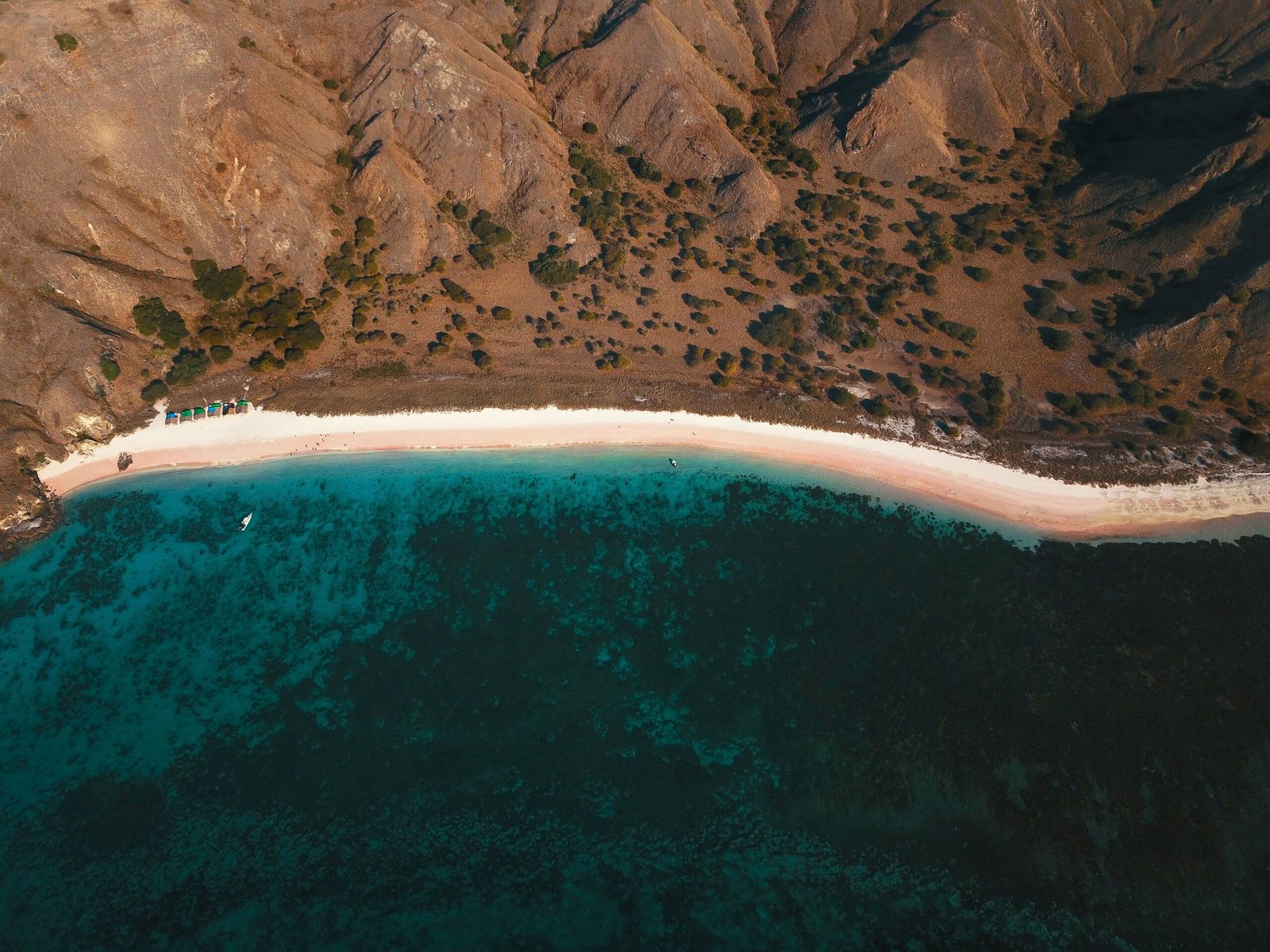
How Marine Conservation Helps Preserve Komodo’s Underwater Paradise – The waters surrounding Komodo National Park form one of the most remarkable parts of Indonesia’s natural heritage. Beneath the surface, travelers can discover colorful coral reefs, tropical fish, sea turtles, manta rays, dolphins, dugongs, and other marine species. UNESCO recognizes the park for its exceptional terrestrial and marine biodiversity, with approximately 60% of the World Heritage property consisting of ocean.
However, beautiful marine ecosystems do not remain healthy without protection. Fishing pressure, tourism activity, pollution, climate change, and physical damage to coral reefs can affect underwater habitats. Therefore, marine conservation plays an important role in keeping Komodo’s waters healthy while allowing visitors to experience them responsibly.
Understanding how conservation works can also help travelers make better choices during snorkeling, diving, and island-hopping activities.
Why Komodo’s Marine Ecosystem Matters
The marine environment around Komodo is much more than a backdrop for snorkeling. Coral reefs provide habitat for numerous marine species and contribute to the ecological health of coastal waters.
UNESCO describes Komodo’s coral reefs as diverse and highly productive, supported by clear water, strong sunlight, and the exchange of nutrient rich water. The park’s marine environment also supports sea turtles, dolphins, dugongs, whales, and many other species.
Consequently, protecting coral reefs also means protecting the many animals that depend on them.
When travelers swim above a healthy reef, they are seeing only one part of a much larger ecological system. Small organisms, fish, corals, and other marine life interact continuously beneath the surface.
Marine Conservation Protects Coral Reefs
Coral reefs can become vulnerable when people use them carelessly. Physical contact, damaging fishing practices, pollution, and poorly managed boat activities can all create pressure on reef habitats.
Marine conservation helps reduce these risks by controlling activities in sensitive areas and managing how people use marine resources.
Komodo National Park uses a zoning approach to regulate different activities across terrestrial and marine areas. These measures help separate conservation priorities from activities that are permitted in particular locations.
As a result, conservation does not simply mean closing the ocean to visitors. Instead, it creates a framework that allows people to enjoy marine environments while limiting activities that could cause unnecessary damage.
Read Also: The Best Beaches Near Labuan Bajo Before or After Your Komodo Tour
Protecting Marine Animals
Komodo’s underwater environment supports a wide range of wildlife. Travelers may encounter manta rays, turtles, dolphins, and many species of tropical fish during snorkeling or diving.
However, wildlife encounters require responsible behavior. Visitors should never chase, touch, feed, or intentionally disturb marine animals.
For example, when you encounter a manta ray, allow it to decide how close it wants to approach. Maintain a respectful distance and avoid sudden movements.
Similarly, keep your fins away from coral when snorkeling. Even accidental contact can damage fragile reef structures.
By changing how we interact with marine wildlife, we can reduce disturbance while still enjoying memorable encounters.
Managing Fishing Activities
Conservation also protects marine resources from unsustainable fishing.
Illegal and damaging fishing practices can affect fish populations and damage habitats. UNESCO identifies illegal fishing and poaching among the threats to the park’s natural values and emphasizes the importance of marine management and enforcement.
Marine conservation programs can help address these pressures through regulations, monitoring, patrols, and designated zones.
These measures benefit both ecosystems and communities. Healthy fish populations can support local livelihoods while maintaining the ecological relationships that keep marine environments functioning.
Therefore, conservation is not simply about protecting wildlife for tourists. It also helps maintain natural resources that communities depend on.
Zoning Helps Balance Tourism and Conservation
Komodo National Park welcomes tourism, but not every marine area should receive the same level of activity.
Zoning allows managers to determine where different activities can occur and where stronger protection is necessary. The park’s management framework includes different land and marine zones designed to balance conservation, tourism, traditional use, and other activities.
This system becomes particularly important as tourism grows.
Instead of allowing boats, divers, snorkelers, and other activities to operate without restrictions, managers can guide activities toward appropriate areas.
Consequently, zoning can help reduce concentrated pressure on sensitive habitats.
Responsible Boat Activities Matter
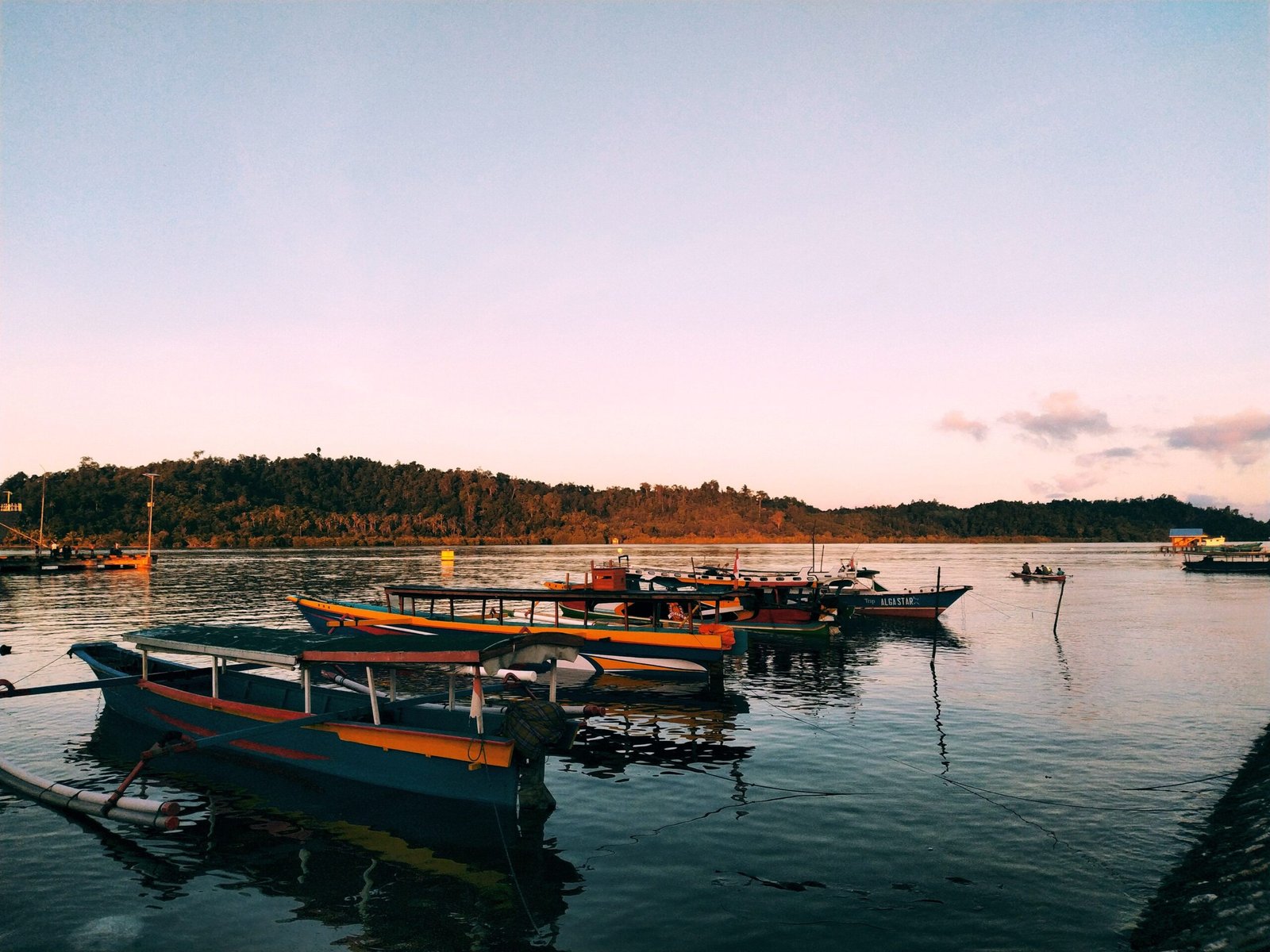
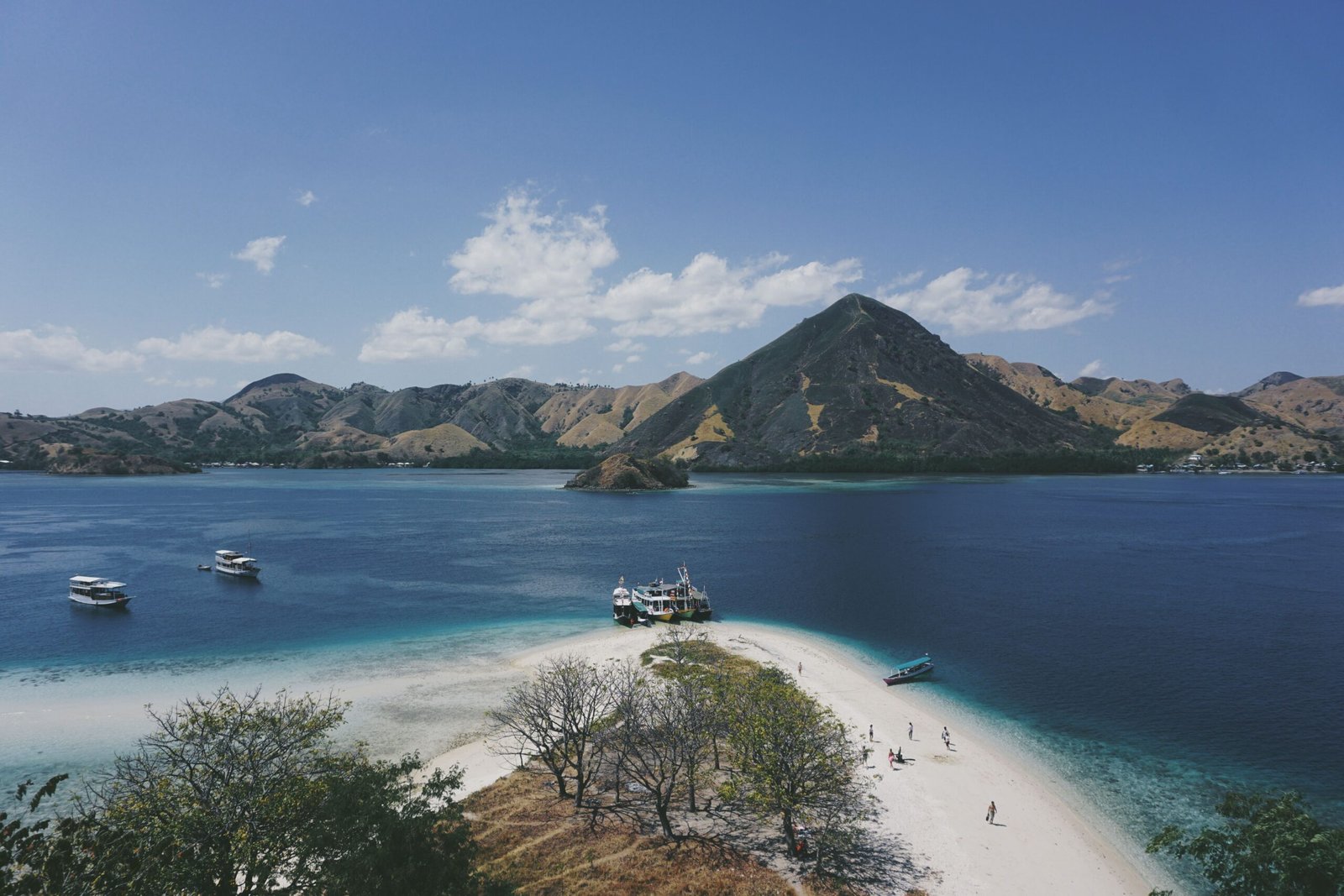
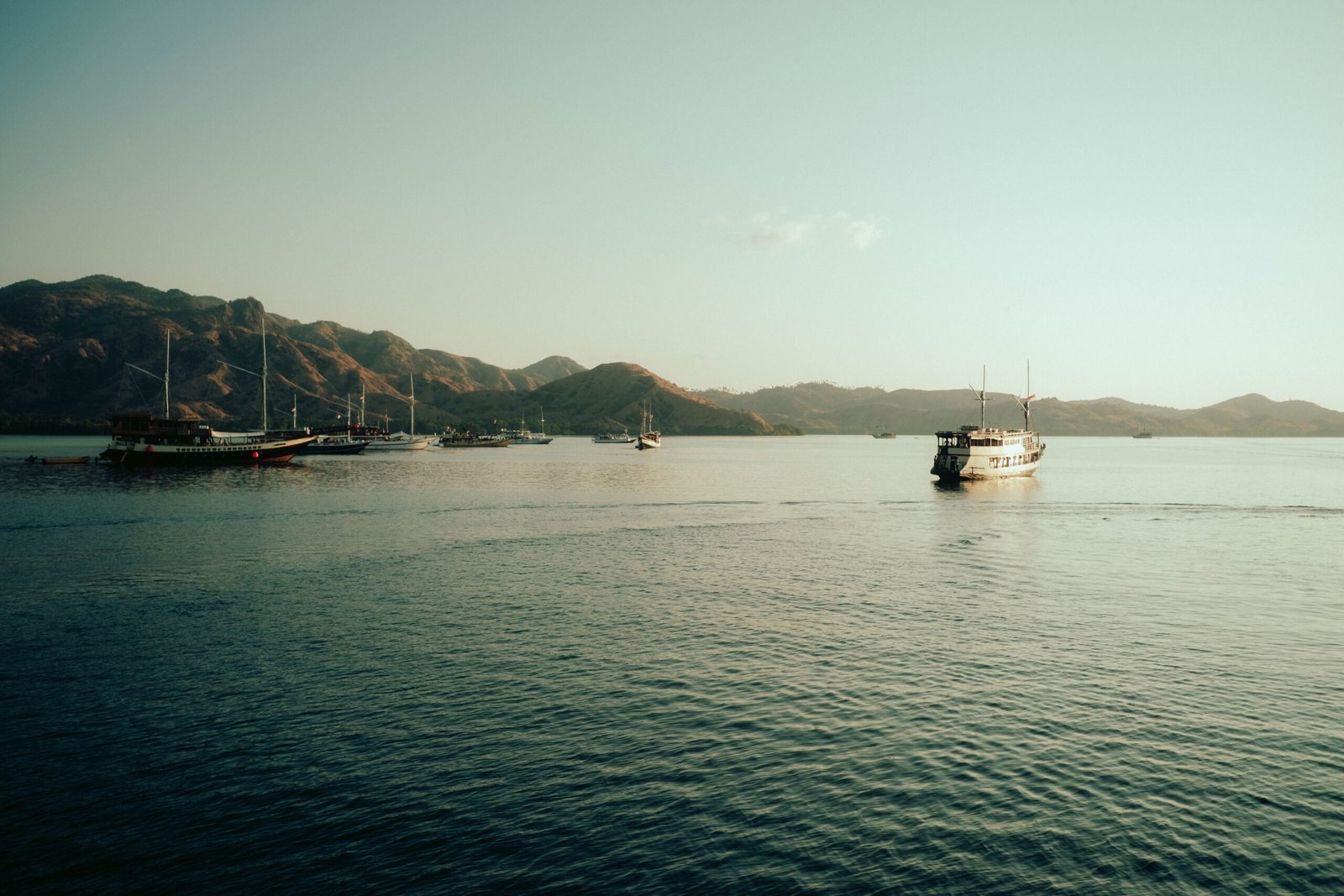
Boat tourism forms an essential part of the Komodo experience. Most visitors reach snorkeling locations, beaches, and islands by boat.
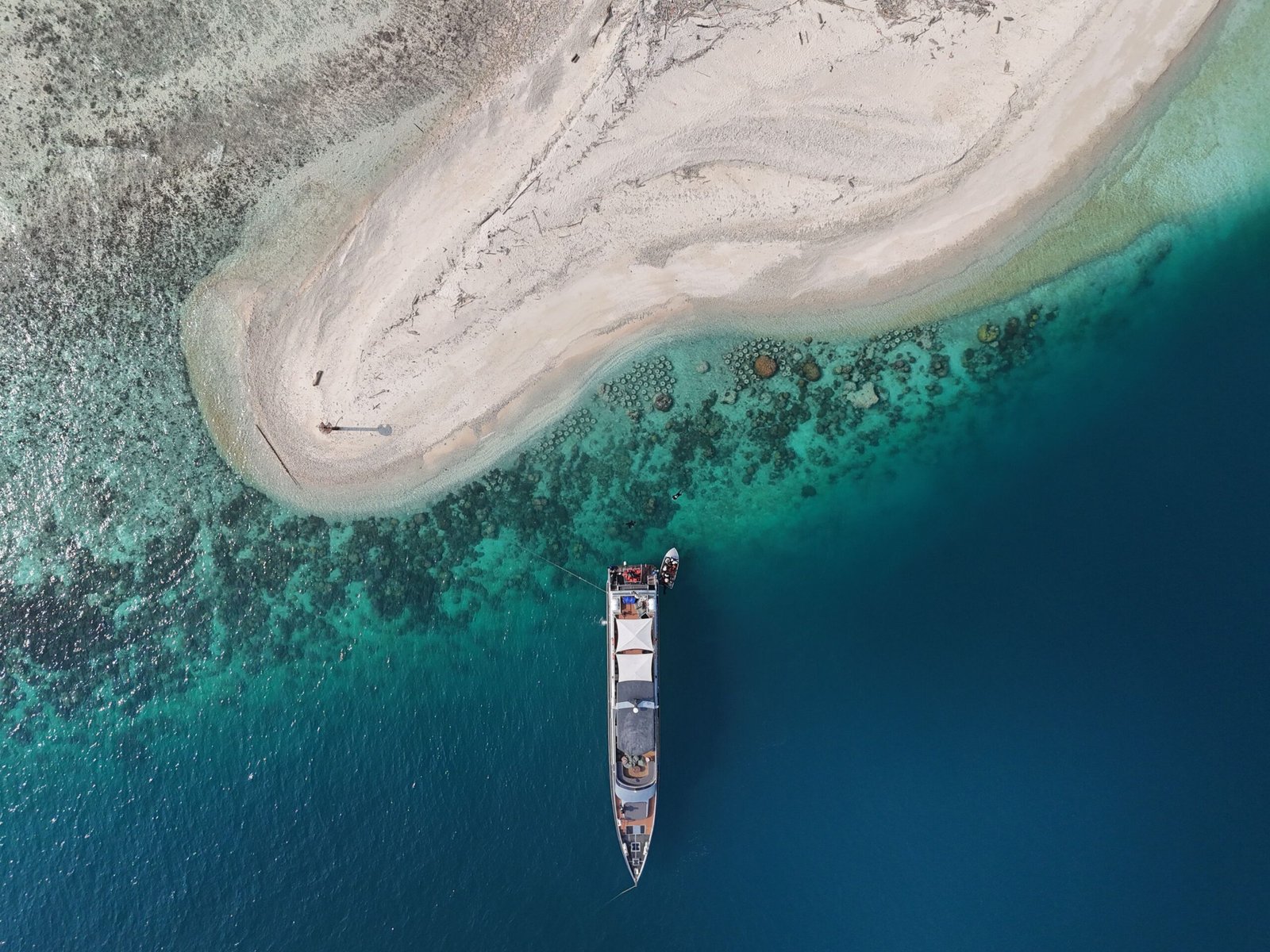
However, boats can also create environmental pressure if operators do not follow appropriate practices. Anchoring in sensitive areas, for example, can damage coral reefs.
UNESCO has specifically highlighted the need to strengthen marine management and address issues including boat anchoring and tourism related pressures.
For travelers, this means choosing responsible operators matters.
Before booking a Komodo tour package, ask how the operator manages anchoring, waste, snorkeling activities, and environmental rules.
A responsible crew should understand where boats can safely anchor and should avoid practices that could damage underwater habitats.
Reducing Plastic Pollution
Plastic waste can become particularly problematic in coastal environments. A bottle, food wrapper, or plastic bag that is carelessly discarded can eventually reach the ocean.
Therefore, travelers should take responsibility for the waste they create.
Bring a reusable water bottle, avoid unnecessary single use packaging, and keep your rubbish with you until you reach an appropriate disposal point.
Additionally, never throw anything into the sea, even if the item appears small or harmless.
These simple actions complement broader conservation programs and help keep beaches and marine habitats cleaner.
Responsible Snorkeling Protects the Reef
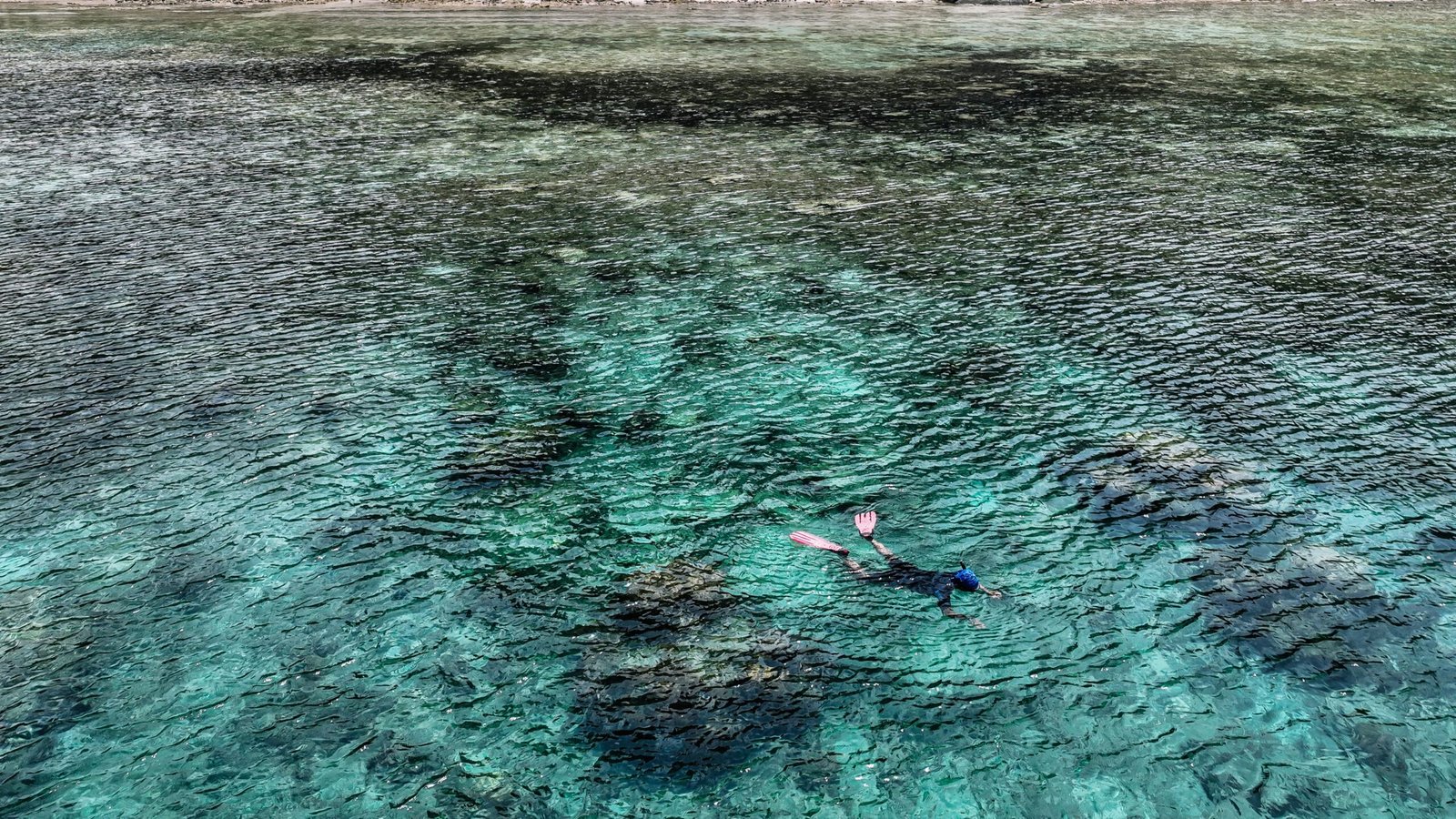
Snorkeling provides one of the easiest ways to experience Komodo’s underwater environment. However, visitors need to understand that coral reefs are living ecosystems.
Do not stand on coral, grab reef structures, or touch marine animals. Instead, maintain good body control and observe the reef without physical contact.
If you are not an experienced swimmer, tell your guide before entering the water. The crew can help determine whether conditions are suitable and recommend appropriate equipment.
Furthermore, follow instructions about currents and designated snorkeling areas. Conditions can change quickly, and the safest location may not always be the one originally planned.
Conservation Supports Local Communities
Marine conservation can also create benefits beyond the environment.
Local communities around Komodo and Labuan Bajo depend on tourism and natural resources in different ways. Sustainable tourism can create opportunities for guides, boat crews, accommodation providers, restaurants, and other local businesses.
UNESCO emphasizes the importance of community involvement and local economic opportunities in sustainable tourism development around Komodo National Park.
Therefore, travelers can contribute by choosing local services and responsible tourism businesses.
When conservation and tourism work together effectively, visitors can enjoy the destination while tourism generates benefits for the people who live in the surrounding region.
Marine Conservation Helps Tourism Continue
Komodo’s underwater environment attracts divers, snorkelers, photographers, and other travelers worldwide. UNESCO notes that a significant share of tourism income associated with the park comes from visitors attracted to its marine environment.
This creates an important relationship between conservation and tourism.
Healthy reefs attract visitors. Visitors generate tourism revenue. That revenue can support local businesses and conservation management when tourism is properly managed.
However, this relationship only works when tourism does not degrade the environment that attracts visitors in the first place.
Therefore, protecting marine ecosystems also protects the long-term appeal of Komodo as a tourism destination.
Climate Change Adds Another Challenge
Marine conservation cannot focus only on local tourism and fishing. Climate change also creates long term pressure on coral reefs and marine ecosystems.
Rising sea temperatures can contribute to coral bleaching, while changing ocean conditions can affect marine species and habitats.
UNESCO has highlighted climate resilience and fisheries health as important considerations in marine management for Komodo.
Although individual travelers cannot control global climate conditions, they can reduce additional local pressures.
Avoiding physical contact with coral, reducing plastic consumption, and supporting responsible tourism can help minimize unnecessary stress on marine ecosystems.
Read Also: What Languages Are Spoken in Labuan Bajo? A Guide for International Travelers
What Travelers Can Do
Marine conservation becomes more effective when visitors participate responsibly.
During your Komodo trip, you can:
- Avoid touching coral and marine animals.
- Keep a safe distance from wildlife.
- Never feed fish, manta rays, turtles, or other animals.
- Use designated snorkeling and swimming areas.
- Keep plastic and other waste away from the ocean.
- Follow your guide’s instructions.
- Respect marine zoning and park regulations.
- Choose responsible boat operators.
- Avoid purchasing souvenirs made from protected wildlife or marine materials.
- Support local businesses that practice responsible tourism.
These actions require very little effort, but they can help reduce the impact of tourism.
Choose a Responsible Tour Operator
Your choice of tour operator can influence the environmental quality of your experience.
Before booking your Day trip Komodo itinerary, ask whether the operator follows park regulations and how the crew handles waste, anchoring, wildlife encounters, and snorkeling activities.
You can also ask what happens if sea conditions become unsuitable for a particular destination.
A responsible operator should prioritize passenger safety and environmental protection instead of forcing the original itinerary under unsuitable conditions.
In this way, your booking decision can encourage better tourism practices.
Conservation and Tourism Can Work Together
Protecting Komodo’s marine environment does not mean preventing people from experiencing it. Instead, effective conservation seeks to create a balance between access and protection.
UNESCO has emphasized the importance of strengthening marine monitoring and management while developing sustainable tourism around the park.
This balance allows travelers to enjoy snorkeling, diving, wildlife encounters, and island hopping while managers continue to protect important habitats.
Ultimately, responsible tourism should leave the ecosystem in a condition that allows future generations to experience it too.
Final Thoughts
Marine conservation plays a central role in preserving the underwater world of Komodo National Park. The park’s coral reefs, fish, sea turtles, manta rays, dolphins, dugongs, and other marine species form a complex ecosystem that requires long-term protection.
Conservation efforts such as marine zoning, monitoring, regulation, patrols, responsible tourism management, and community involvement can help reduce pressure on these valuable environments.
Travelers also have an important role to play. By choosing responsible operators, reducing plastic waste, respecting wildlife, avoiding coral contact, and following park regulations, you can enjoy Komodo’s underwater beauty without unnecessarily damaging it.
Ultimately, the goal is simple: experience the marine environment without taking away from it. With thoughtful choices and responsible behavior, your Komodo day trip can contribute to a tourism model that protects the park’s underwater paradise for years to come.