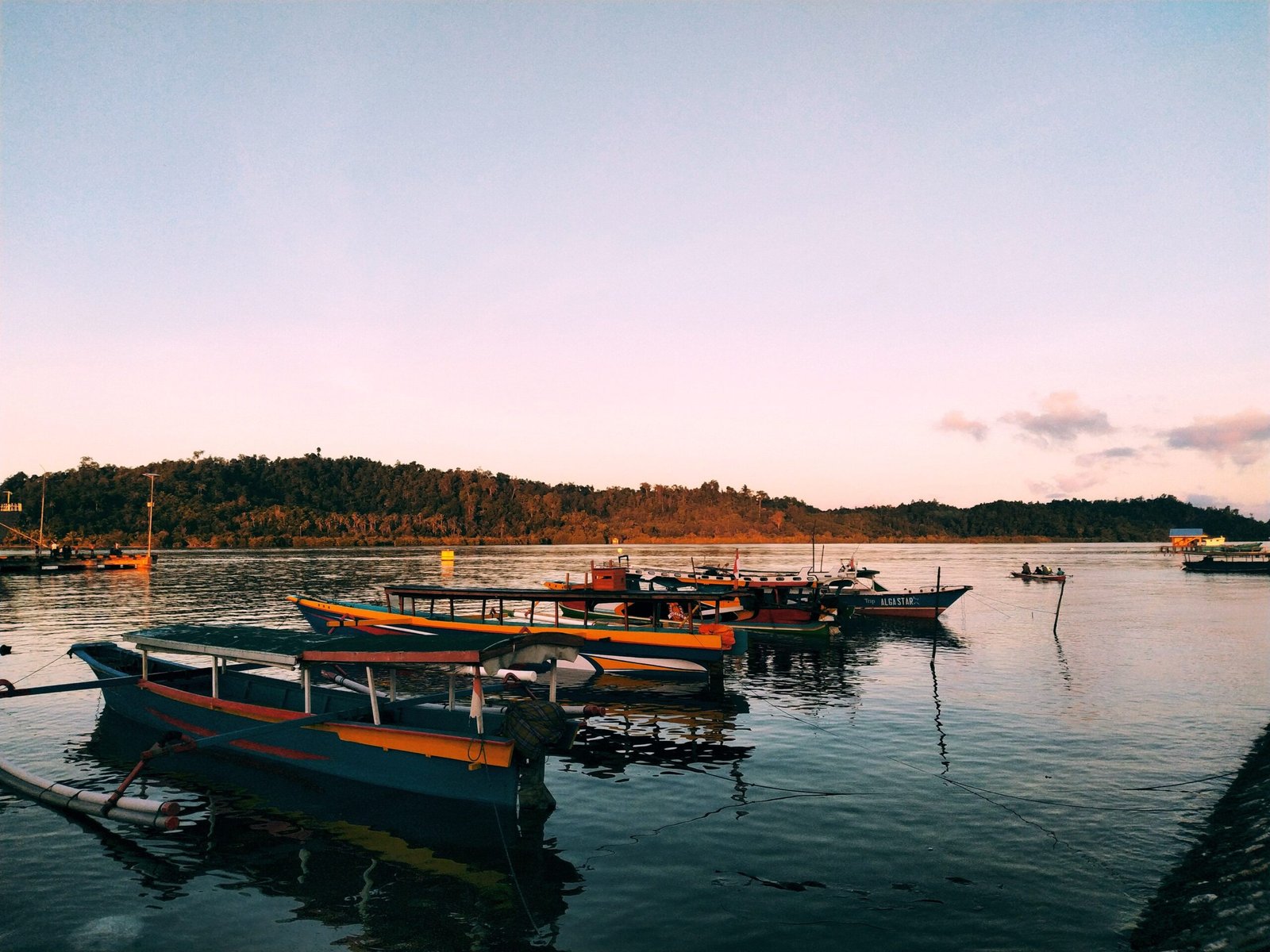

What Languages Are Spoken in Labuan Bajo? A Guide for International Travelers – Traveling to Labuan Bajo is an exciting experience, especially for international visitors exploring Komodo National Park for the first time. While the destination has become increasingly popular with travelers from around the world, understanding the local language environment can make everyday interactions much easier.
From ordering food and checking into accommodation to communicating with boat crews and local guides, language plays an important role in your travel experience. Fortunately, visitors do not need to speak fluent Indonesian to explore Labuan Bajo. English is widely used in tourism related settings, while Indonesian and local languages remain important in everyday community life. Having your Day trip Komodo itinerary saved offline can also make communication easier when discussing your plans with local guides or boat crews.
Knowing what to expect can help you communicate more confidently and interact respectfully with residents.
Indonesian Is the Main National Language
Indonesian, known locally as Bahasa Indonesia, is the country’s official and most widely used language. Travelers can expect Indonesian to appear in signs, menus, transportation information, government services, and everyday conversations.
In Labuan Bajo, Indonesian is commonly used by hotel staff, restaurant employees, drivers, boat crews, guides, and other tourism workers.
Therefore, learning a few basic Indonesian expressions can make your trip easier. Simple words such as terima kasih (thank you), tolong (please/help), berapa? (how much?) and selamat pagi (good morning) can be useful in many situations.
Even when local people speak English, using a few Indonesian words shows respect and often creates a warmer interaction.
Local Languages Are Also Part of Daily Life
Although Indonesian dominates formal communication, Labuan Bajo is also home to communities with their own local languages and cultural traditions.
The town is located on Flores Island, which has a diverse linguistic landscape. Different communities across Flores use different regional languages, and local identity remains closely connected to these languages.
You may not hear every local language during a short visit to Labuan Bajo. However, understanding that the region has more than one linguistic tradition can help international travelers appreciate its cultural diversity.
In other words, language in Labuan Bajo is not limited to Indonesian and English. Local languages remain an important part of community life.
Is English Common in Labuan Bajo?
English is increasingly common in tourism related areas of Labuan Bajo. Hotels, restaurants, travel agencies, dive centers, and tour operators regularly serve international visitors.
You can generally expect staff at established tourism businesses to communicate in English at a basic to good level. However, fluency can vary from person to person.
For example, a hotel receptionist who regularly interacts with foreign guests may speak English confidently, while a local shop owner may use only a few English phrases.
Therefore, do not expect every person you meet to speak fluent English. Simple communication, patience, gestures, and translation apps can help when conversations become difficult.

Read Also: Wildlife Etiquette in Komodo: How to Respect Nature While Exploring the Islands
English With Tour Operators
If you book a Komodo tour package, English communication is usually available because international visitors represent an important part of the tourism market.
Tour operators commonly provide information about departure times, destinations, meals, snorkeling activities, safety procedures, and other services in English.
However, it is still a good idea to confirm important details before departure. Ask questions clearly about the itinerary, boat facilities, meeting point, and return time.
If you have specific dietary, mobility, or activity requirements, explain them before booking rather than waiting until you board the boat.
Clear communication can prevent misunderstandings and make your experience more comfortable.
Communication With Boat Crews
Boat crews around Labuan Bajo work with travelers from different countries, so many crew members have practical English skills.
You may hear common English phrases related to snorkeling, boarding, safety, meals, and departure times.
However, communication can sometimes become difficult when explaining more complicated requests. In those situations, use short sentences and avoid overly technical expressions.
For example, instead of explaining a long problem, use simple phrases such as:
- “Where do we meet?”
- “What time do we leave?”
- “Is it safe to swim here?”
- “Where can I put my bag?”
- “Is drinking water available?”
Simple language can make communication faster and clearer.
Learning Basic Indonesian Can Help
Although you can travel around Labuan Bajo without speaking Indonesian, learning a few expressions can improve your experience.
Start with practical phrases that you can use every day:
- Hello: Halo
- Thank you: Terima kasih
- Please: Tolong
- Excuse me: Permisi
- Yes: Ya
- No: Tidak
- How much?: Berapa?
- Where?: Di mana?
- Good morning: Selamat pagi
- Good afternoon: Selamat siang
You do not need perfect pronunciation. Most locals will understand what you mean from context.
Furthermore, learning a few words before your trip can make interactions feel more natural.
Language at Hotels and Restaurants
International travelers will generally find English communication easier at hotels and restaurants that cater specifically to tourists.
Menus may be available in both Indonesian and English, especially around central Labuan Bajo and major tourist areas.
Nevertheless, smaller local restaurants may use Indonesian primarily. In these situations, photographs on menus or translation applications can help.
If you have food allergies or dietary restrictions, prepare the Indonesian terms before visiting local restaurants. This approach reduces the chance of confusion.
Using Translation Apps
A translation app can become a useful travel tool, particularly when exploring areas outside the main tourism district.
Download Indonesian language support for offline use if your application offers this feature. This matters because mobile internet may become unreliable when you travel offshore toward the islands.
You can also save important phrases in your phone before leaving Labuan Bajo.
For example, prepare phrases related to food allergies, transportation, directions, or medical needs.
This preparation becomes particularly useful during a Komodo day trip, when your boat may spend several hours outside reliable mobile coverage.
Language on Signs and Menus
Most official signs, transportation information, and public information use Indonesian. Tourist oriented businesses may add English translations.
Around the harbor and tourism areas, you are likely to encounter a mixture of Indonesian and English.
If you see an unfamiliar Indonesian word, use your translation app or ask your guide. If any information is unclear, especially regarding safety or your itinerary, ask for an explanation before proceeding.
Understanding signs can also help you navigate Labuan Bajo independently before or after your boat trip.
Communicating With Local Communities
International travelers should approach local communities with respect. Not everyone you meet needs to speak English simply because Labuan Bajo welcomes international tourists.
If someone does not understand you, remain patient rather than speaking louder. Try simpler words, gestures, or a translation application.
Furthermore, ask permission before photographing people, particularly in local villages.
Language is part of cultural exchange, so even a small attempt to communicate respectfully can create a more positive interaction.
Language Should Not Stop You From Exploring
Some travelers worry that they need strong English or Indonesian skills before visiting Labuan Bajo. Fortunately, language barriers rarely prevent visitors from enjoying the destination.
Tourism businesses have experience working with international guests, and travelers can use translation tools when necessary.
Moreover, many travel situations require only basic communication. Checking into a hotel, ordering food, boarding a boat, and following a tour schedule usually involve straightforward instructions.
As long as you remain patient and prepared, communication should not become a major obstacle.
Read Also: Private Boat vs Group Tour in Komodo: Which One Fits Your Travel Style?
What International Travelers Should Prepare
Before leaving for Labuan Bajo, consider preparing a small language toolkit on your phone.
Save:
- Basic Indonesian phrases
- Your hotel address
- Your tour operator’s contact details
- Your Day trip Komodo itinerary
- Important dietary information
- Emergency-related phrases
- Transportation details
Taking screenshots can also help because you may lose mobile coverage during your boat journey.
Additionally, tell your tour operator if you have communication needs that require special attention.

Respect Local Language and Culture
Language represents more than communication. It also reflects local culture and identity.
While Indonesian functions as the common language, local languages remain meaningful to communities around Flores and the wider region.
As a visitor, you do not need to learn an entire local language. However, showing curiosity and respect can make your interactions more meaningful.
Even asking a local guide how to say “thank you” in their language can become a memorable part of your trip.
Final Thoughts
International travelers can explore Labuan Bajo comfortably without speaking Indonesian fluently. English is commonly used in hotels, restaurants, tour companies, and other tourism related businesses, while Indonesian remains the primary language for everyday communication.
At the same time, local languages continue to form an important part of the cultural identity of Flores and its communities.
The best approach is to combine practical preparation with patience. Learn a few Indonesian expressions, download a translation app, save important information offline, and communicate clearly with your tour operator.
If you are booking a Komodo tour package, confirm important details in advance and make sure you understand your itinerary before departure. Once you leave Labuan Bajo, mobile coverage may become limited, so having essential information available offline can be extremely useful.
Ultimately, language should not prevent you from experiencing the remarkable landscapes, wildlife, marine life, and local culture surrounding Komodo National Park. A willingness to communicate, listen, and respect local communities can make your journey even more rewarding.