Eco Friendly Island Hopping in Komodo: Travel Without Leaving a Trace – Komodo National Park is one of Indonesia’s most extraordinary travel destinations, attracting visitors with its dramatic islands, pristine beaches, diverse marine ecosystems, and world famous Komodo dragons. Every year, thousands of travelers join island hopping tours to explore the park’s natural wonders, from Padar Island and Pink Beach to Manta Point and Komodo Island.
While tourism brings economic opportunities and supports local communities, it can also place pressure on fragile ecosystems if not managed responsibly. Increased visitor numbers may contribute to waste generation, habitat disturbance, and environmental degradation when sustainable practices are ignored.
Fortunately, travelers can make a positive difference. By adopting eco friendly travel habits, visitors can enjoy unforgettable experiences while helping protect Komodo National Park for future generations. This guide explains how to explore Komodo responsibly and travel without leaving a trace.
Why Sustainable Travel Matters in Komodo
Komodo National Park is recognized for its remarkable biodiversity both above and below the water, making it one of the most fascinating destinations for island hopping adventures in Indonesia.
Within the national park, visitors can find several interconnected ecosystems, such as:
- Coral reefs
- Mangrove forests
- Savanna landscapes
- Coastal habitats
- Marine ecosystems
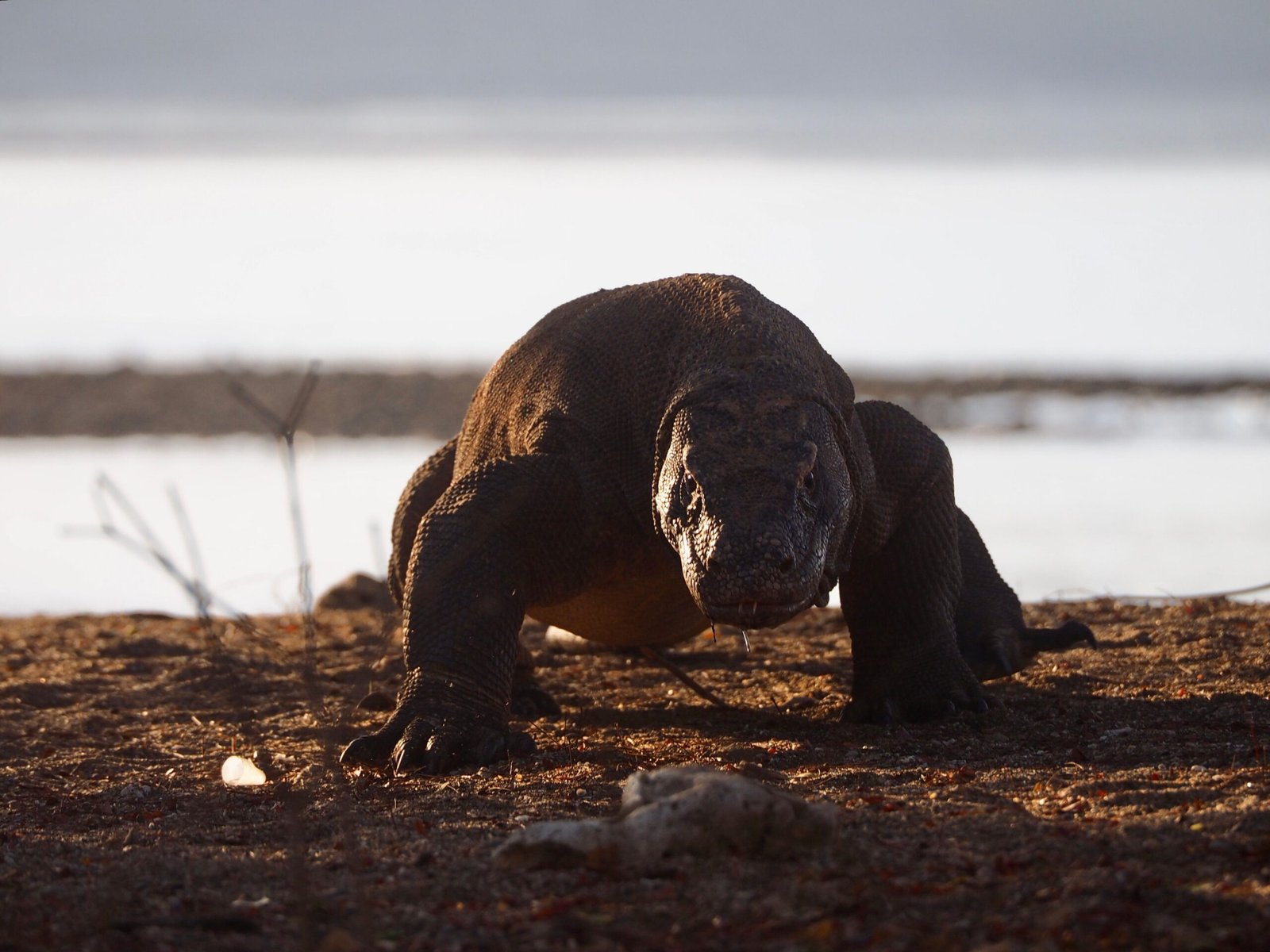
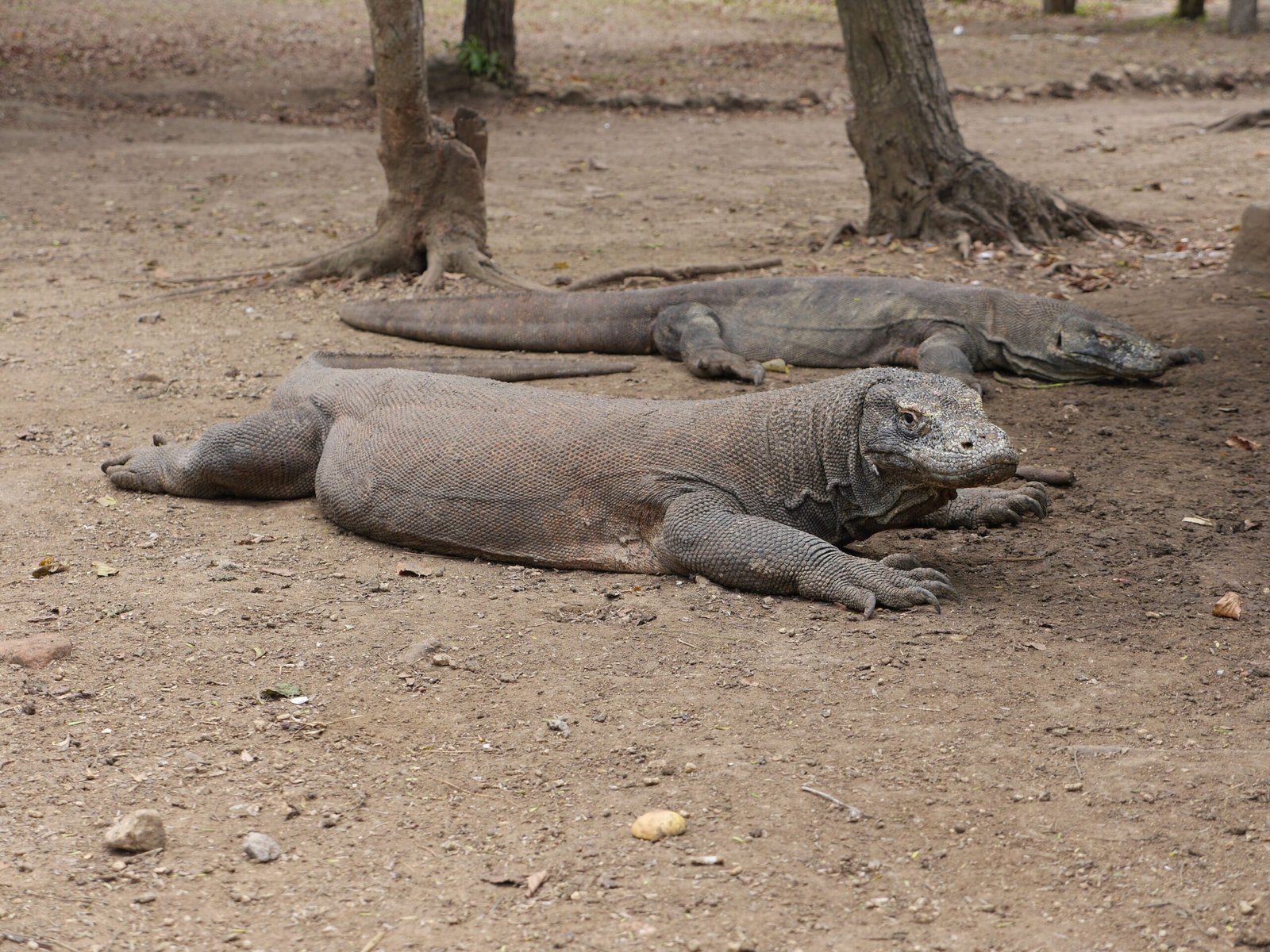
These environments provide shelter for countless species, including manta rays, sea turtles, tropical fish, birds, and the iconic Komodo dragon.
As tourism continues to grow, protecting these natural resources becomes increasingly important. Sustainable travel helps reduce environmental impacts while supporting long term conservation efforts throughout the region.

Read Also: Pink Beach Komodo: Discover One of the World’s Most Unique Beaches
Understand the Leave No Trace Mindset
One of the simplest ways to travel responsibly while island hopping in Komodo is by following the principle of leaving destinations exactly as you found them. At its core, this concept encourages travelers to appreciate natural environments while minimizing their impact on the surrounding ecosystem.
This approach encourages travelers to:
- Respect natural environments.
- Minimize their ecological footprint.
- Protect wildlife habitats.
- Avoid unnecessary disturbance.
- Dispose of waste properly.
Small actions may seem insignificant individually, but collectively they contribute to the preservation of Komodo’s unique ecosystems.
Choose Responsible Tour Operators
The tour company you choose can significantly impact the sustainability of your trip.
When researching operators, look for businesses that:
- Follow environmental regulations
- Educate guests about conservation.
- Reduce single use plastics
- Support local communities
- Promote responsible wildlife interactions.
Many responsible operators actively participate in sustainability initiatives designed to protect the natural environment while maintaining high quality visitor experiences. Supporting these businesses helps encourage environmentally conscious tourism throughout Komodo.
Reduce Plastic Waste During Your Journey
Waste from single use plastics continues to pose a significant threat to coastal areas and marine ecosystems across the globe.
Travelers can help minimize waste by bringing reusable alternatives, including:
- Refillable water bottles
- Reusable shopping bags
- Reusable food containers
- Metal or bamboo straws
Choosing reusable items helps reduce the amount of disposable plastic entering the environment. Small adjustments to daily travel habits can help reduce pollution and support the long-term health of coastal environments.
Respect Marine Ecosystems While Snorkeling
Many visitors come to Komodo specifically to experience its incredible underwater biodiversity.
However, coral reefs are delicate ecosystems that can be easily damaged through careless behavior.
While snorkeling or swimming, travelers should:
- Avoid touching coral formations.
- Maintain proper buoyancy.
- Refrain from standing on reefs.
- Follow the guide instructions.
- Observe marine wildlife from an appropriate distance without interfering with their natural behavior.
Practicing responsible snorkeling habits during island hopping activities helps preserve coral health and protect marine habitats for future visitors. By respecting the underwater environment, travelers can contribute to the long term conservation of Komodo National Park’s rich marine ecosystems.
Observe Wildlife Responsibly
Wildlife encounters are among the most memorable experiences in Komodo National Park.
Visitors may encounter:
- Komodo dragons
- Manta rays
- Sea turtles
- Tropical birds
- Various marine species
While observing wildlife, it is important to prioritize animal welfare over close interactions.
Travelers should:
- Keep a respectful distance.
- Avoid feeding animals
- Follow the ranger’s instructions.
- Refrain from making excessive noise.
- Never attempt to touch wildlife.
Allowing animals to behave naturally creates safer and more authentic wildlife experiences.
Stay on Designated Paths and Trails
Several destinations within Komodo National Park feature established trekking routes and visitor pathways.
Remaining on designated trails helps:
- Protect vegetation
- Prevent soil erosion
- Minimize habitat disturbance
- Improve visitor safety
Whether exploring Padar Island or participating in a ranger guided walk on Komodo Island, following designated routes supports conservation efforts while reducing environmental impact.
Support Local Communities
Sustainable tourism also includes supporting the people who live and work around Komodo National Park.
Visitors can contribute by:
- Purchasing locally made products
- Hiring local guides
- Choosing locally operated businesses
- Respecting local customs and traditions
Community based tourism helps distribute economic benefits more fairly while encouraging local participation in conservation initiatives. When local communities benefit from tourism, they are often better positioned to support long-term environmental protection.
Pack Environmentally Friendly Travel Essentials
Preparing thoughtfully before your trip can help reduce your environmental impact.
Useful eco friendly travel items include:
- Reusable water bottles
- Reef safe sunscreen
- Reusable utensils
- Cloth shopping bags
- Refillable toiletries
These products help reduce waste while supporting more sustainable travel habits throughout your journey.
Be Mindful of Your Waste
Proper waste management remains one of the simplest yet most effective ways to protect natural destinations.
Visitors should always:
- Carry their trash until disposal facilities are available.
- Separate recyclable materials when possible
- Avoid littering
- Leave beaches and islands clean.
A clean environment benefits wildlife, local communities, and future travelers alike.
Encourage Sustainable Travel Awareness
Responsible travel practices can inspire others to adopt more sustainable habits during their own island hopping adventures.
After your trip, consider sharing positive examples of eco friendly tourism through:
- Travel blogs
- Social media posts
- Reviews of responsible tour operators
- Conversations with fellow travelers
Promoting sustainable travel awareness helps expand conservation efforts beyond a single visit.

Read Also: Manta Point Guide: What Travelers Should Know Before Snorkeling
The Long Term Benefits of Eco Friendly Tourism
Eco friendly tourism creates advantages for multiple stakeholders.
Environmental benefits include:
- Reduced pollution
- Healthier ecosystems
- Better wildlife protection
- Stronger conservation outcomes
At thesame time, local communities benefit through sustainable economic opportunities that do not compromise natural resources. When travelers make responsible choices, tourism becomes a valuable toolfor both conservation and community development.
Final Thoughts
Komodo National Park offers some of the most spectacular island hopping experiences in Southeast Asia. From the breathtaking viewpoints of Padar Island to the marine biodiversity of Manta Point and the unique landscapes of Pink Beach, every destination showcases the natural beauty of the region.
However, preserving these environments requires responsible behavior from everyone who visits. By reducing waste, respecting wildlife, supporting sustainable businesses, and following Leave No Trace principles, travelers can help protect Komodo’s ecosystems while still enjoying an unforgettable adventure.
Traveling responsibly does not require major sacrifices. Often, small and thoughtful actions are enough to help ensure that the beauty of Komodo National Park remains intact for generations to come.