Manta Point Guide: What Travelers Should Know Before Snorkeling- Manta Point is one of the most famous snorkeling destinations in Komodo National Park and a highlight of many island hopping itineraries from Labuan Bajo. Known for its frequent manta ray sightings and rich marine biodiversity, this remarkable location attracts travelers from around the world seeking unforgettable underwater experiences.
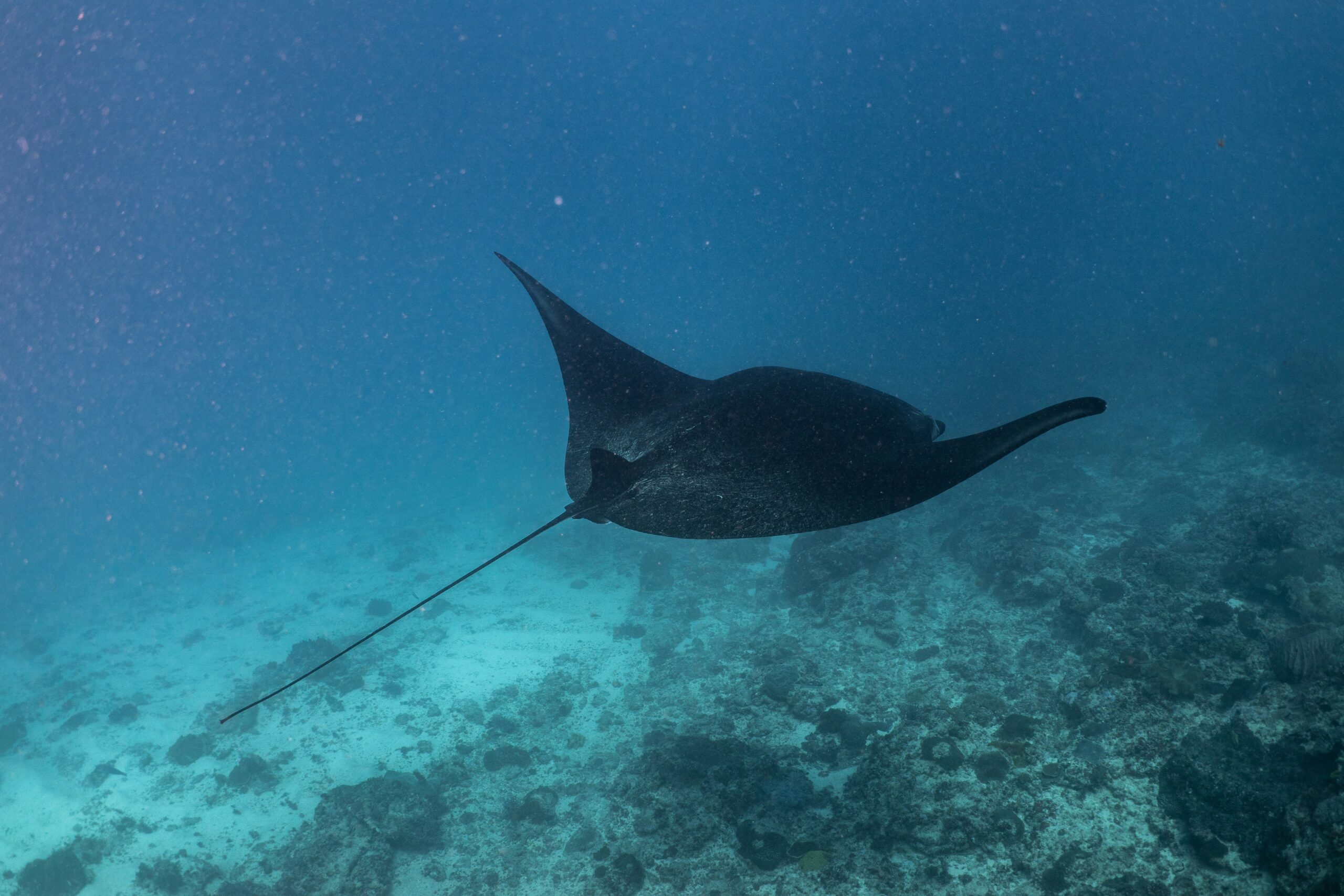
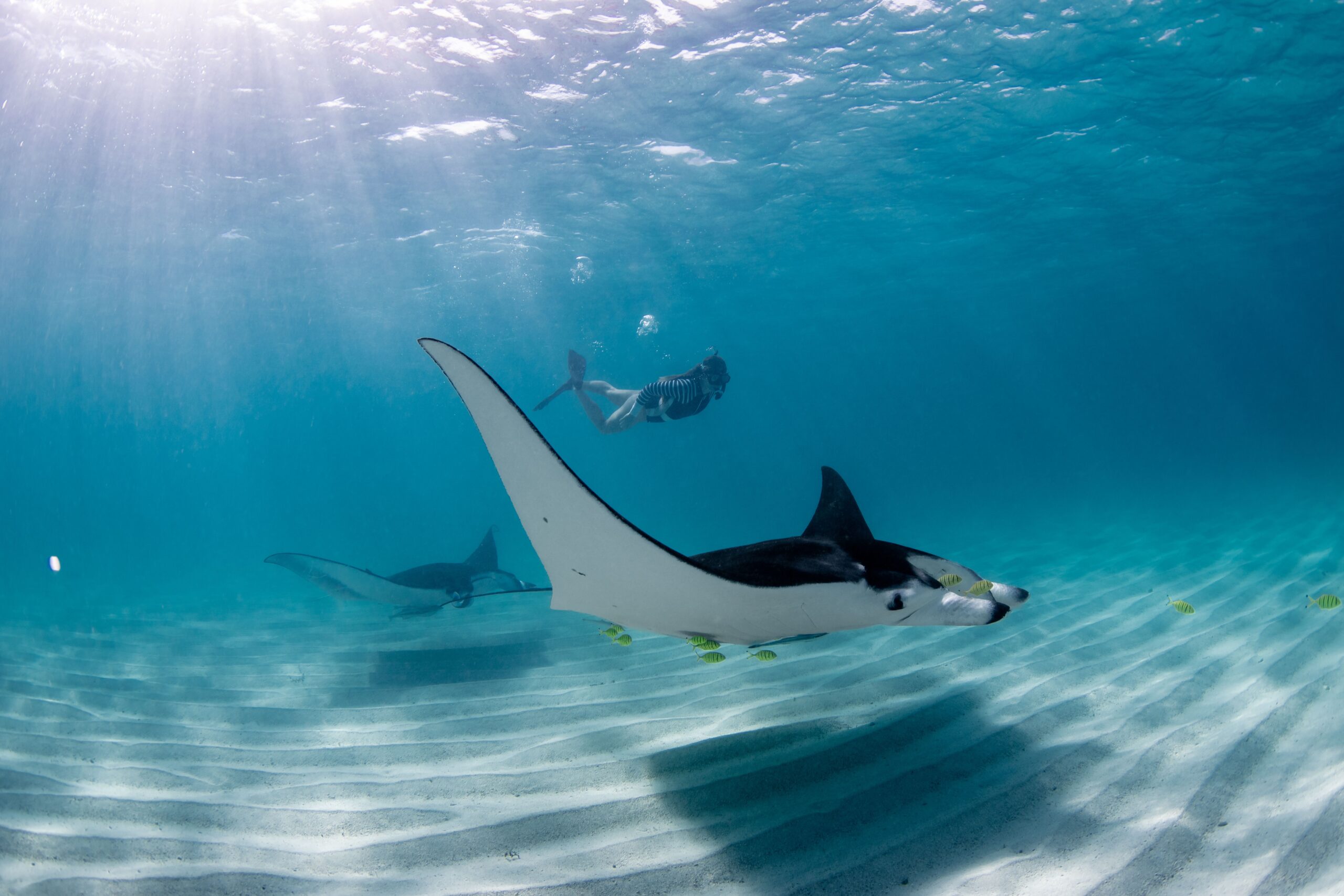
Unlike many snorkeling spots that focus primarily on coral reefs, Manta Point offers the unique opportunity to observe giant manta rays gliding gracefully through the ocean in their natural habitat. For many visitors, swimming alongside these gentle creatures becomes one of the most memorable moments of their Komodo adventure.
However, before entering the water, it is important to understand what makes Manta Point unique, what conditions to expect, and how to snorkel responsibly. This Manta Point guide covers the essential information every traveler should know before visiting.
Where Is Manta Point Located?
Manta Point is situated within Komodo National Park, near several popular destinations frequently included in island hopping tours.
Most travelers reach Manta Point by boat from Labuan Bajo, the main gateway to Komodo National Park. Depending on the tour itinerary and sea conditions, the journey typically takes several hours and is often combined with visits to attractions such as:
- Padar Island
- Pink Beach
- Taka Makassar
- Komodo Island
Because Manta Point is located within a protected marine area, visitors are encouraged to follow all park regulations and environmental guidelines.
Why Is Manta Point So Popular?
The main attraction of Manta Point is the opportunity to observe manta rays in the wild. Manta rays are among the largest ray species in the world, with wingspans that can reach several meters. Despite their impressive size, they are harmless to humans and primarily feed on plankton.
Many travelers visit Manta Point because it offers:
- Regular manta ray sightings
- Clear tropical waters
- Excellent snorkeling opportunities
- Diverse marine ecosystems
- Unique wildlife encounters
While sightings can never be guaranteed, Manta Point is widely recognized as one of the best locations in Komodo National Park for encountering manta rays.
Read Also: How to Choose the Right Komodo Tour for Your Travel Style
What Can You Expect During a Snorkeling Session?
Snorkeling at Manta Point can be very different from snorkeling at calmer reef locations. The area is known for ocean currents that help bring nutrient rich water into the region. These conditions attract plankton, which in turn attract manta rays.
During a typical visit, travelers may experience:
- Moderate to strong currents
- Open water snorkeling conditions
- Excellent visibility during favorable weather
- Encounters with various marine species
Because conditions can change throughout the day, guides will usually assess safety before allowing visitors to enter the water.
Following crew instructions is essential for a safe and enjoyable experience.
Best Time to Visit Manta Point
Although manta rays can be seen throughout much of the year, certain seasons may offer more favorable conditions.
Many travelers choose to visit Komodo National Park during the dry season, which generally runs from April to October.
Benefits of visiting during this period often include:
- Calmer seas
- Better visibility underwater
- More predictable weather
- Comfortable snorkeling conditions
However, manta ray sightings depend on natural factors, so no season can guarantee an encounter.
Essential Items to Bring
Preparing properly can help make your snorkeling experience more comfortable.
Before visiting Manta Point, consider bringing:
- Swimwear
- Towel
- Reef safe sunscreen
- Sunglasses
- Waterproof camera
- Reusable water bottle
- Dry bag for personal belongings
Most tour operators provide snorkeling gear, but travelers may prefer to bring their own if they are accustomed to using specific gear.
How to Snorkel Responsibly Around Manta Rays
Manta rays are protected marine animals, and responsible behavior is essential when interacting with them.
Visitors should follow these important guidelines:
- Avoid touching manta rays.
- Do not chase or block their movement.
- Maintain a respectful distance.
- Follow the guide instructions
- Enter and exit the water carefully.
Respectful wildlife encounters help reduce stress on marine animals and support ongoing conservation efforts.
Remember that observing manta rays in the wild is far more beneficial than attempting to interact closely.
Marine Life You May Encounter
Although manta rays are the main attraction, Manta Point is home to a variety of marine species.
Depending on conditions, travelers may also encounter:
- Tropical reef fish
- Sea turtles
- Colorful coral formations
- Various pelagic species
- Other rays and marine creatures
The diversity of marine life makes every snorkeling session unique.
Safety Tips for First Time Visitors
If you are snorkeling at Manta Point for the first time, a few precautions can help ensure a better experience.
Helpful safety recommendations include:
- Listen carefully to your guide’s briefing.
- Wear a life jacket if recommended.
- Stay close to your group.
- Avoid entering the water if you feel uncomfortable.
- Inform guides about any swimming limitations.
Being prepared can help you feel more confident and comfortable during the activity.
Supporting Marine Conservation
Manta Point is located within a protected marine ecosystem that supports a wide range of marine species.
Travelers can contribute to conservation efforts by:
- Reducing plastic waste
- Choosing responsible tour operators
- Respecting marine wildlife
- Avoiding harmful interactions with animals
- Following national park regulations
Responsible tourism helps preserve Komodo’s underwater ecosystems for future generations.
Read Also: Protecting Komodo Dragons: Responsible Wildlife Tourism Guidelines
Why Manta Point Is a Must Visit Destination
For many visitors, Manta Point represents one of the most exciting marine experiences in Komodo National Park.
Few snorkeling destinations offer the chance to observe giant manta rays in such a spectacular natural setting. Combined with crystal clear waters and rich biodiversity, Manta Point provides a memorable experience for both first time visitors and experienced snorkelers.
Whether you are passionate about marine life, underwater photography, or simply exploring the natural wonders of Komodo, Manta Point deserves a place on your itinerary.
Final Thoughts
Manta Point is one of the most remarkable snorkeling locations in Komodo National Park andan essential stop for travelers interested in marine adventures. Its reputation for manta ray encounters, diverse marine life, and breathtaking ocean scenery makes it a favorite destination among visitors exploring the region.
By understanding local conditions, preparing appropriately, and following responsible snorkeling practices, travelers can enjoy a safe and rewarding experience while helping protect Komodo’s fragile marine ecosystem. With proper planning, a visit to Manta Point can easily become one of the highlights of your journey through Komodo National Park.