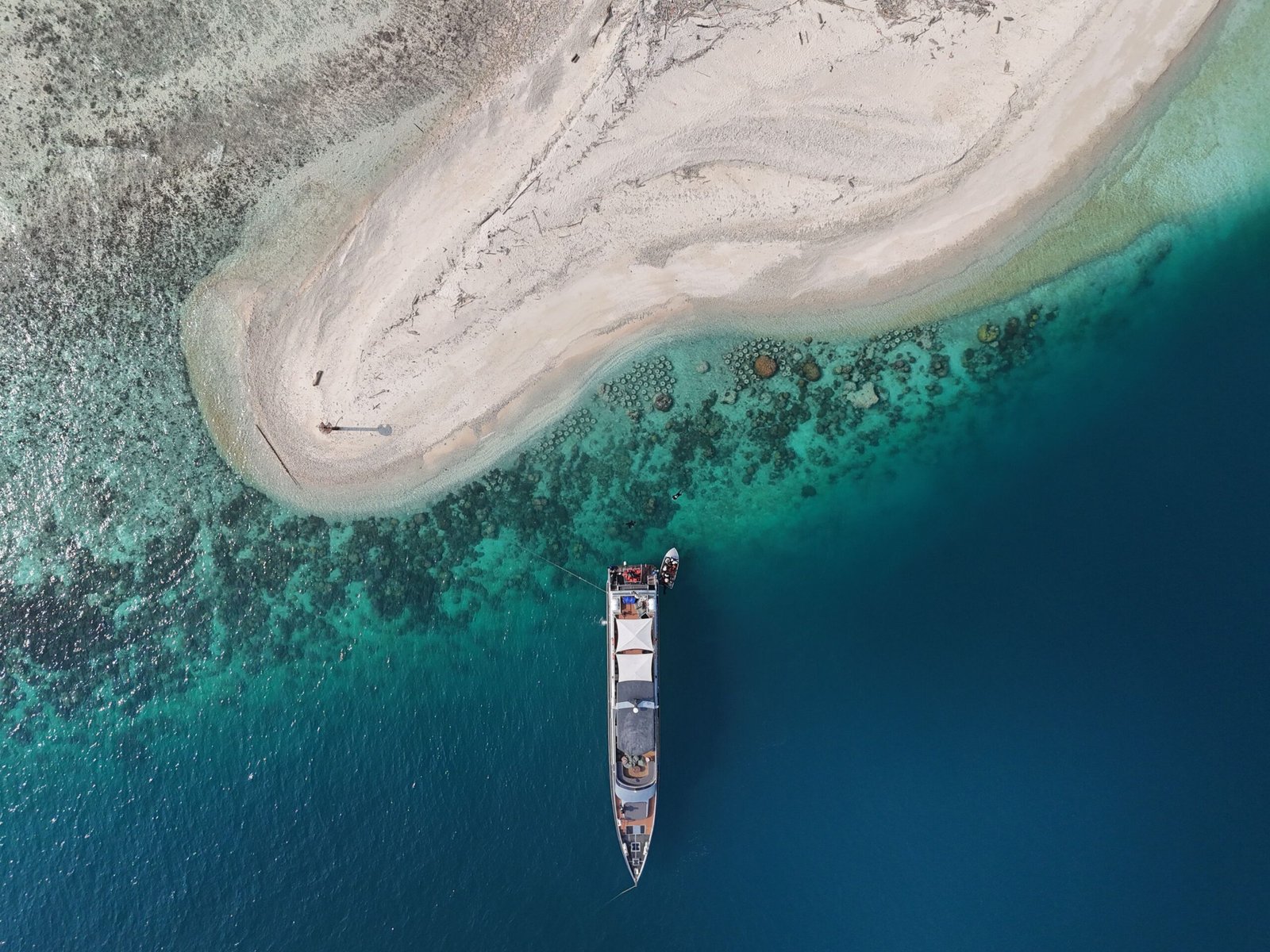

Why Responsible Tourism Matters in Komodo National Park – Komodo National Park stands among Indonesia’s most extraordinary natural attractions, celebrated for its unique wildlife and breathtaking island landscapes. Visitors from around the world come to experience its dramatic islands, crystal clear waters, colorful coral reefs, and the legendary Komodo dragons. Every year, thousands of travelers explore the park through island hopping adventures, snorkeling trips, and wildlife encounters.
However, the growing popularity of this UNESCO World Heritage Site also brings new challenges. Increased tourism can place pressure on wildlife, marine habitats, and local communities if it is not managed responsibly. That is why responsible tourism in Komodo National Park plays a vital role in preserving this extraordinary destination for future generations.
By making environmentally conscious choices during your visit, you can help protect the park’s natural beauty while supporting sustainable tourism throughout the region.
Protecting the Unique Wildlife
Komodo National Park is the only place on Earth where visitors can observe Komodo dragons living in the wild. Besides these iconic reptiles, the park also provides habitat for deer, wild boars, numerous bird species, sea turtles, dolphins, manta rays, and countless marine organisms.
Because these animals depend on healthy ecosystems, every visitor has a responsibility to minimize their impact. For example, staying on designated walking trails prevents unnecessary disturbance to wildlife and protects native vegetation.
Likewise, maintaining a safe distance from Komodo dragons allows them to behave naturally without feeling threatened. Feeding wild animals should also be avoided because it changes their natural behavior and may create long-term ecological problems. When travelers respect wildlife, they contribute directly to the conservation of Komodo National Park.
Preserving Fragile Marine Ecosystems
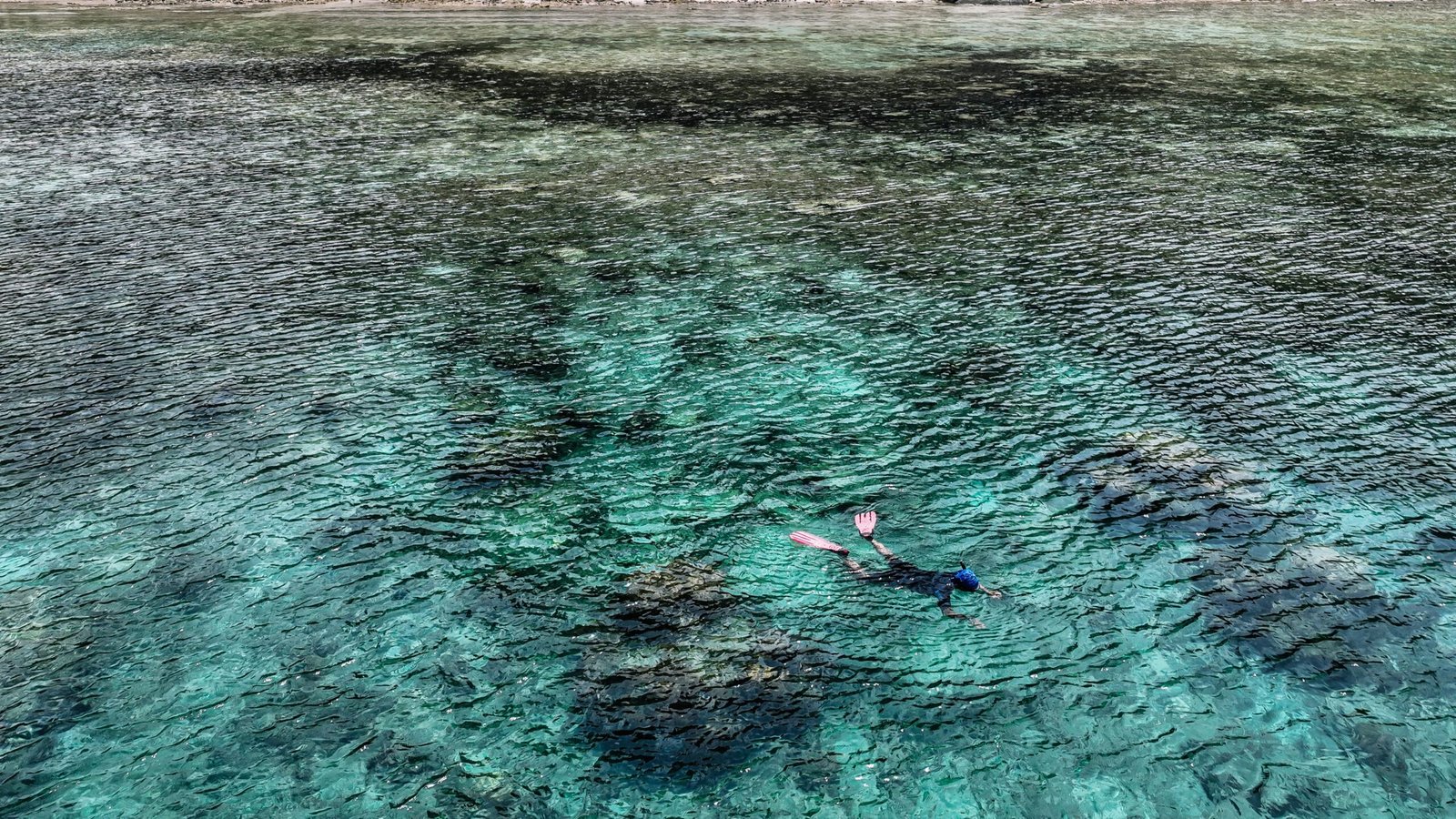
The underwater environment surrounding Komodo National Park is just as valuable as its landscapes. Healthy coral reefs provide shelter for thousands of marine species, making the park one of the world’s premier snorkeling and diving destinations.
Unfortunately, coral reefs are extremely fragile. Even accidental contact with fins, hands, or boat anchors can damage coral that has taken decades to grow.
Therefore, visitors should practice responsible snorkeling and diving by following a few simple principles:
- Avoid touching coral reefs or marine animals.
- Maintain proper buoyancy while snorkeling or diving.
- Never collect shells, coral fragments, or other marine life.
- Dispose of all waste properly.
- Use reef safe sunscreen whenever possible.
These small actions help preserve marine biodiversity and ensure future visitors can enjoy the same incredible underwater experiences.

Read Also: Why Taka Makassar Should Be on Your Komodo Island Itinerary
Reducing Plastic Waste
Plastic pollution has become one of the greatest threats to oceans worldwide, including protected marine areas like Komodo National Park.
Single use plastics often end up in the sea, where they can harm fish, turtles, seabirds, and other wildlife. In addition, plastic waste diminishes the natural beauty that attracts travelers to the park. Fortunately, reducing plastic waste is simple. Visitors can bring reusable water bottles, shopping bags, food containers, and reusable utensils instead of disposable alternatives.
Many tour operators also encourage guests to refill their water bottles rather than purchasing multiple plastic bottles throughout the day. As more travelers adopt sustainable habits, the amount of waste entering the marine environment continues to decrease.
Supporting Local Communities
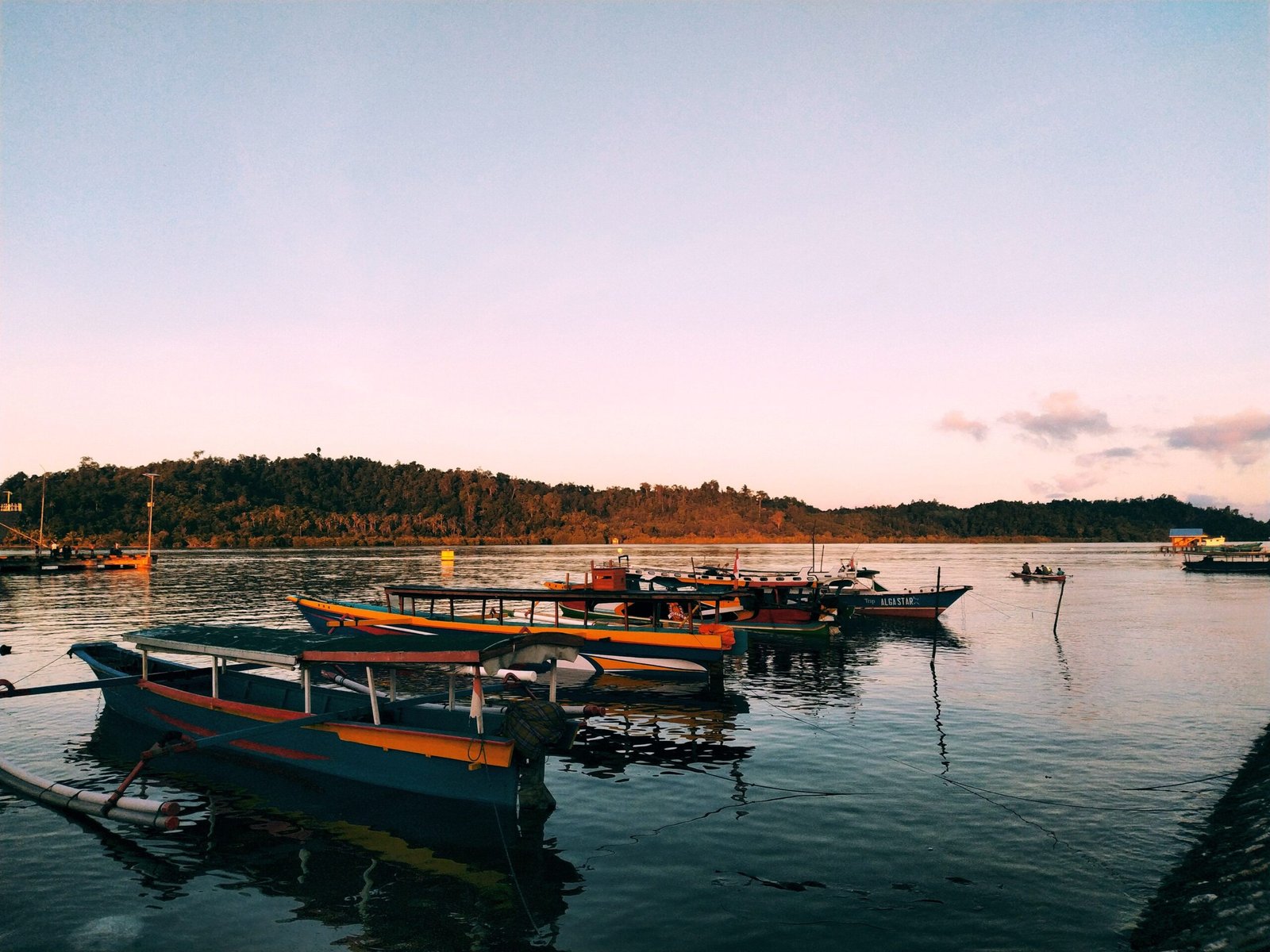
Responsible tourism benefits more than the environment. It also creates meaningful economic opportunities for local communities. Many residents of Labuan Bajo and nearby islands work as boat crews, tour guides, hospitality staff, fishermen, artisans, or restaurant owners. Tourism provides income that supports families while encouraging communities to preserve their natural surroundings.
Visitors can contribute by choosing locally operated tour companies, purchasing handmade crafts, dining at local restaurants, and staying in locally owned accommodations whenever possible. These decisions help ensure that tourism revenue remains within the community and supports long-term economic development.
Respecting Local Culture
While Komodo National Park is famous for its natural attractions, the surrounding communities also have rich cultural traditions that deserve respect.
Visitors should dress appropriately when visiting villages, ask permission before photographing local residents, and respect local customs and traditions.
Simple gestures such as greeting local people politely or learning a few Indonesian phrases create positive interactions between visitors and residents. Responsible tourism strengthens these cultural connections while promoting mutual respect.
Choosing Sustainable Tour Operators
Selecting a responsible tour operator is another important way to support conservation. Many professional operators actively promote sustainable tourism by following park regulations, limiting environmental impact, educating guests, and participating in conservation efforts.
When booking your Komodo tour, look for operators that:
- Follow official park guidelines.
- Provide environmental education during the trip.
- Encourage responsible wildlife viewing.
- Minimize plastic waste onboard.
- Employ experienced local guides.
- Practice safe and environmentally friendly boating.
Choosing responsible providers encourages higher sustainability standards throughout the tourism industry.
Following Park Regulations
Komodo National Park has established rules to protect both visitors and wildlife. Following these regulations helps maintain a safe and sustainable environment for everyone.
Visitors should always remain with certified guides during dragon encounters and stay on designated paths while hiking. Additionally, avoid making loud noises that may disturb wildlife, and never leave litter behind.
If you are snorkeling or diving, respect protected marine areas and avoid removing anything from the ocean.
These guidelines may seem simple, but together they make a significant difference in protecting one of Indonesia’s most valuable ecosystems.
Read Also: Everything You Need to Know About Planning a Komodo Island Trip
Every Visitor Makes a Difference
Many travelers assume their individual actions have little impact. In reality, every responsible decision contributes to the long-term preservation of Komodo National Park.
Carrying reusable items, respecting wildlife, supporting local businesses, and following conservation guidelines all help reduce environmental pressure.
When thousands of visitors adopt these habits, the collective impact becomes substantial. Responsible tourism allows tourism and conservation to coexist while ensuring that future generations can continue to experience the park’s extraordinary biodiversity.
Conclusion
Komodo National Park is much more than a popular travel destination. It is a globally important conservation area that protects rare wildlife, vibrant coral reefs, and unique island ecosystems.
Responsible tourism in Komodo National Park ensures these natural treasures remain healthy while providing lasting benefits for local communities. Every traveler has the opportunity to contribute by making environmentally friendly choices,respecting wildlife, reducing waste, and supporting sustainable businesses.When you visit responsibly, you do more than enjoy an unforgettable adventure you help preserve one of Indonesia’s greatest natural wonders for generations to come.