Komodo Photography Tips: How to Take Great Photos With Your Phone – You do not need expensive photography equipment to take memorable pictures during a trip to Komodo National Park. The destination already offers dramatic hills, clear blue water, unique wildlife, secluded beaches, traditional boats, and colorful skies. With a smartphone or a basic camera, you can capture impressive images by paying attention to light, composition, timing, and perspective. When choosing a komodo tour package, you can also consider an itinerary that gives you enough time to enjoy and photograph the scenery.
For travelers preparing for their first visit, photography doesn’t need to get complicated. Instead of carrying multiple lenses and accessories, focus on understanding your surroundings and making the most of the device you already own. With a little preparation, you can create beautiful travel photographs while keeping your luggage light and practical.
Know Your Camera Before You Leave
Before traveling to Komodo, spend some time learning how your smartphone or camera works. You do not need to understand every setting, but you should know how to adjust basic functions such as exposure, focus, flash, and zoom.
Try taking photographs in different lighting conditions before your trip. This practice can help you react faster when you encounter an interesting landscape or wildlife moment.
Furthermore, check how much storage space remains on your device. A full day of photography and video can use up a lot of storage, so delete unnecessary files before you go.
Make the Most of Natural Lighting
The way light falls on a scene can greatly affect the mood, clarity, and overall appearance of your photographs. Fortunately, Komodo provides plenty of natural lighting opportunities throughout the day.
Morning light can create softer shadows and a calmer atmosphere. Meanwhile, afternoon light can add warmer tones to beaches, hills, and boats.
Therefore, consider the time of day when planning your photography. If a particular location matters to you, ask your tour operator when you are likely to arrive there.
This simple consideration can sometimes improve your photographs more than expensive equipment.
Use Golden Hour for Warm, Atmospheric Images
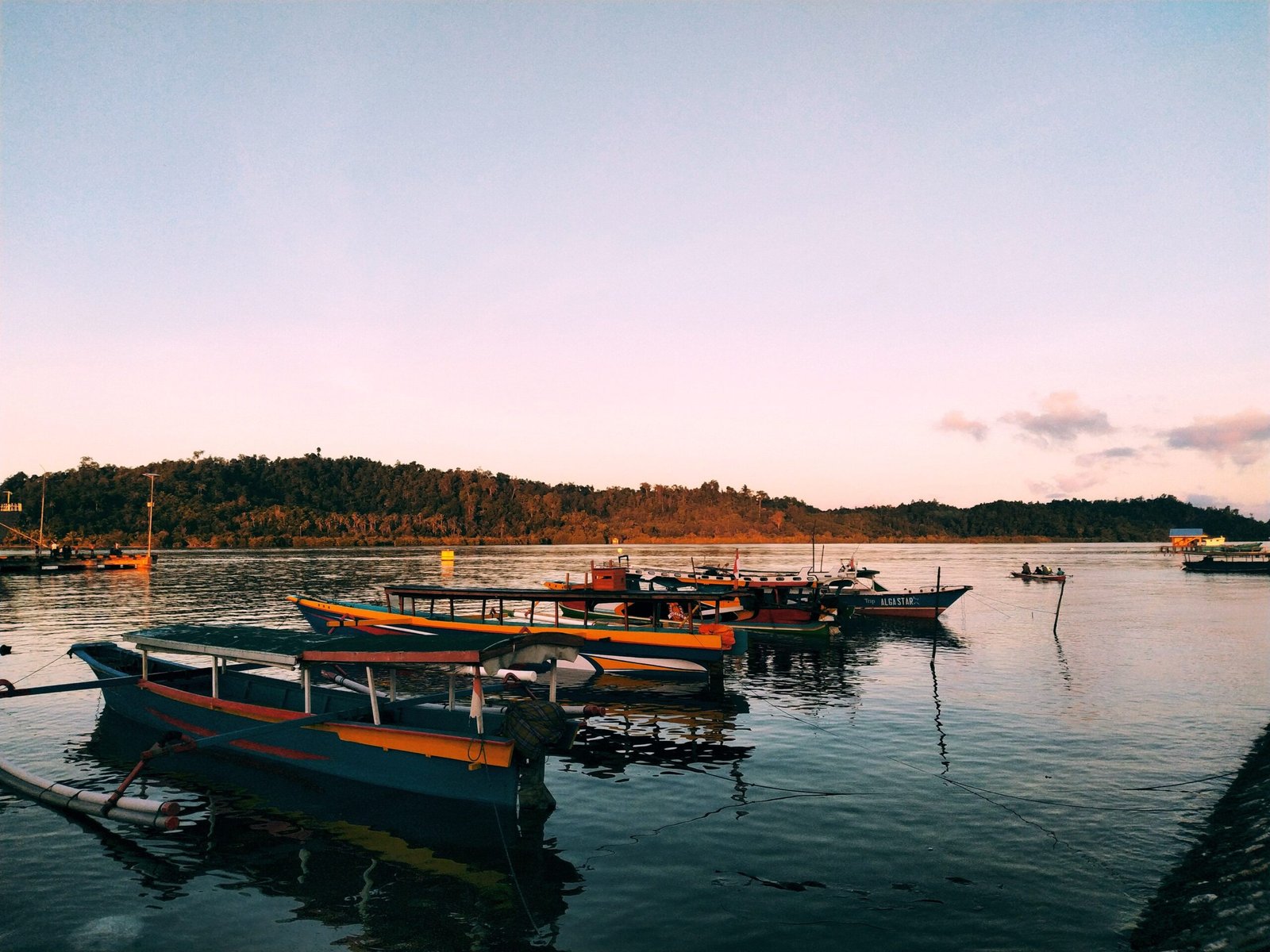
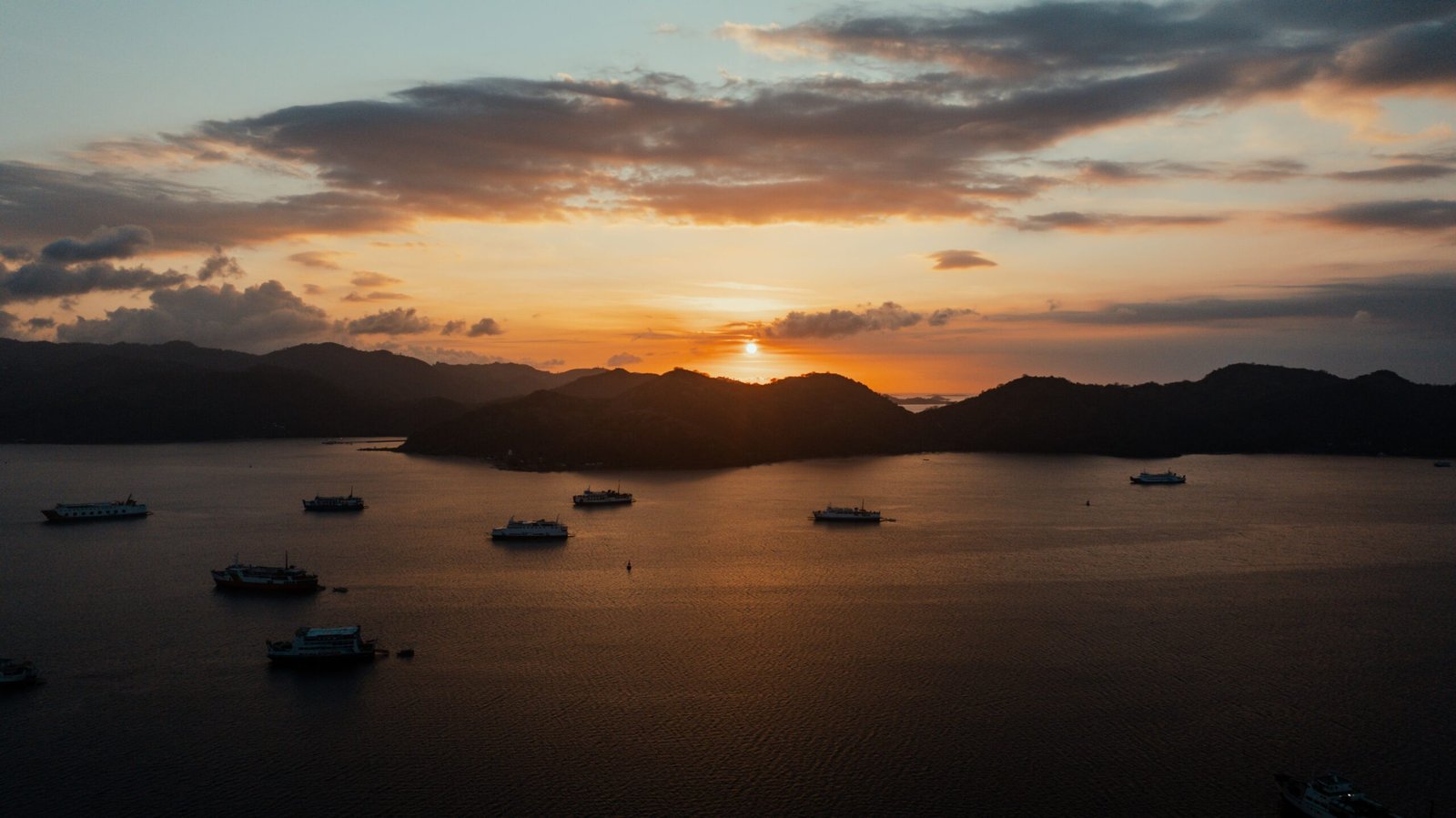
Golden hour refers to the brief period near sunrise or sunset when the sunlight creates a soft, warm glow. This lighting can make landscapes appear more atmospheric and give portraits a natural warmth.
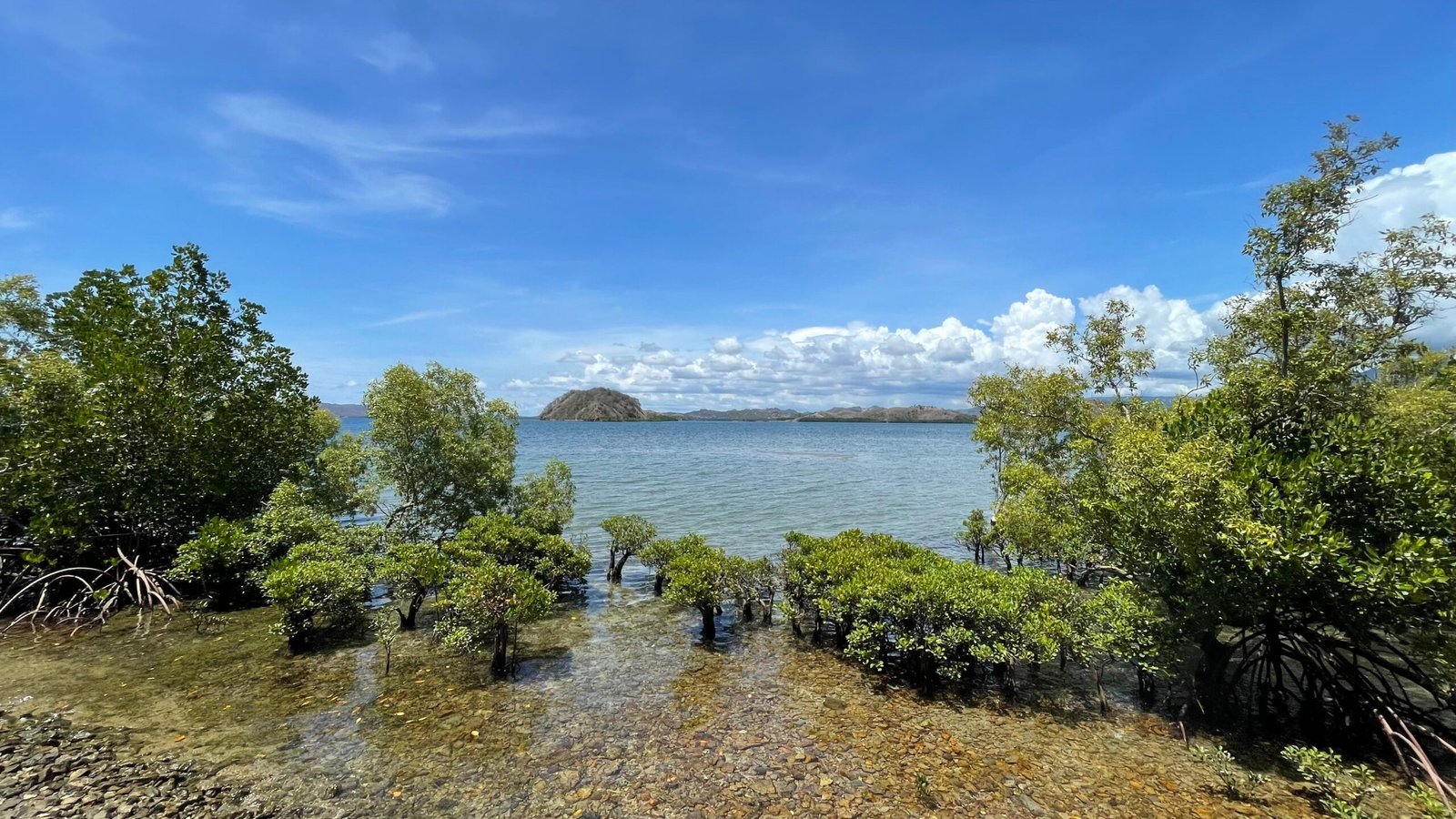
Kalong Island, for example, can provide an interesting setting toward sunset. As daylight fades, travelers may have the opportunity to observe flying foxes leaving their mangrove habitat.
Rather than taking only one photograph, continue shooting as the light changes. The colors and shadows can shift noticeably within a short period.
Read Also: How to Capture Amazing Photos in Komodo Without Professional Camera Gear
Clean Your Camera Lens
A small adjustment like this can noticeably improve the quality of your photos.
Smartphone lenses can easily collect fingerprints, dust, sunscreen, or moisture while you travel. These marks can make photographs look hazy or reduce clarity.
Before photographing an important scene, gently wipe your lens with a soft cloth.
This habit takes only a few seconds but can help your images look significantly clearer.
Turn On the Grid
Most smartphones and digital cameras provide a grid option. This feature can help you compose photographs more effectively.
You can use the grid to position the horizon, a person, a boat, or an island away from the exact center of the frame.
For example, when photographing a landscape, place the horizon along the upper or lower third rather than cutting the image directly in half.
However, do not treat the rule of thirds as an absolute requirement. Centered compositions can also work well when you want to emphasize symmetry or a specific subject.
Create Depth With Foreground Elements
Komodo’s landscapes can appear enormous when photographed correctly. One easy way to communicate that scale is to include something in the foreground.
A person, tree, rock, boat, or section of the trail can add depth to your composition.
When photographing a viewpoint such as Padar Island, for instance, you can include part of the path or surrounding vegetation while keeping the coastline in the distance.
As a result, viewers can better understand the relationship between different parts of the landscape.
Look Beyond the Famous Viewpoints
The most famous locations naturally attract photographers. However, you do not have to photograph them from exactly the same angle as everyone else.
Walk a little farther when it is safe, change your position, or look behind you.
Sometimes the surrounding landscape provides a more original composition than the main viewpoint.
You can also photograph details such as footprints in the sand, boats approaching the shore, waves around rocks, or local fishing equipment.
These smaller details can make your travel album feel more personal.
Experiment With Different Angles
Changing your camera position can transform an ordinary photograph.
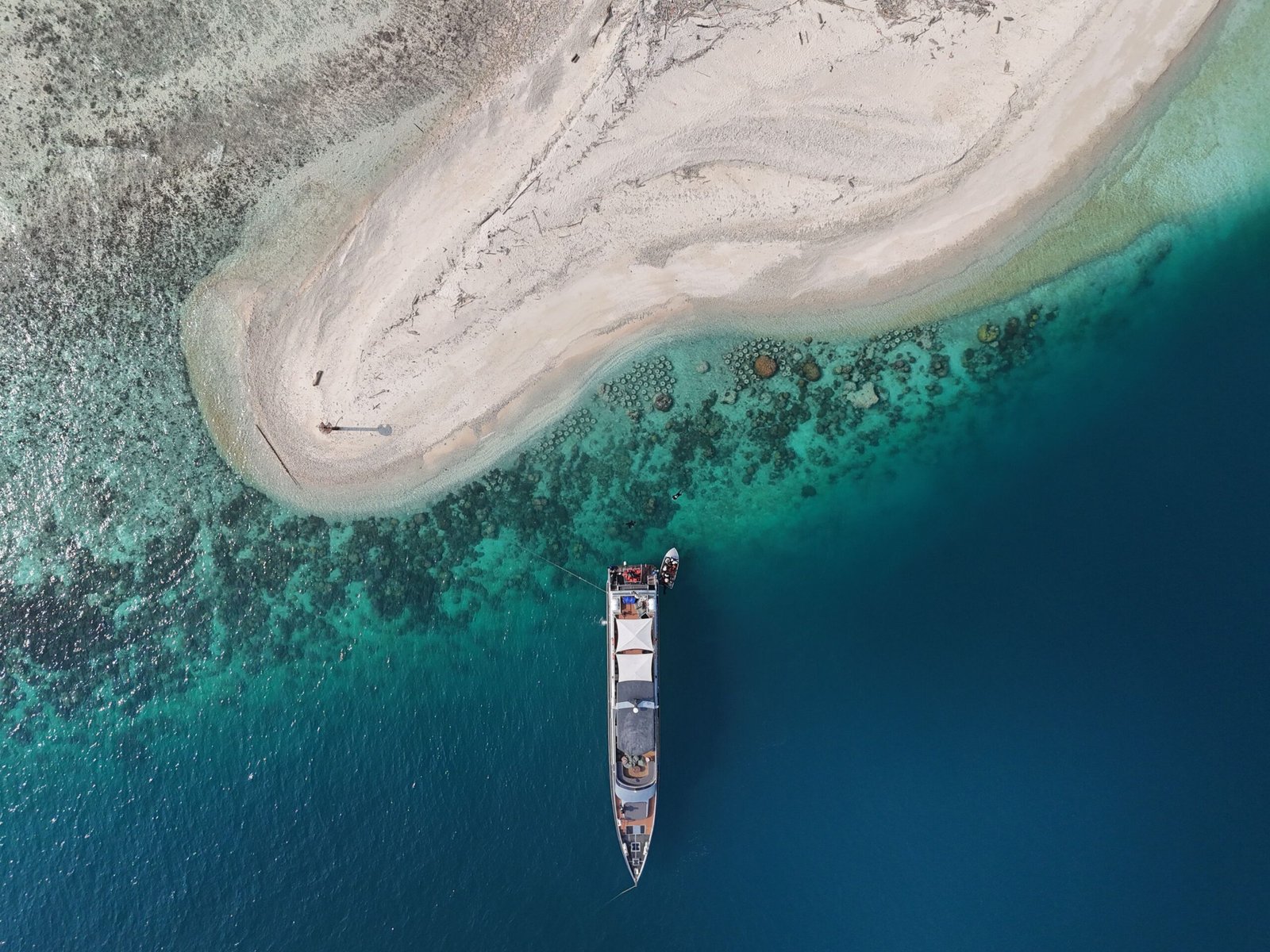
Try taking some images from a lower perspective to make foreground objects appear larger. You can also photograph from a higher viewpoint to emphasize patterns in the landscape.
When you are on a boat, move to different sides of the vessel if it is safe to do so. This can help you capture different relationships between the boat, sea, and islands.
Before taking the photograph, pause for a moment and ask yourself whether another angle could tell the story better.
Use People to Show Scale
Komodo’s hills, beaches, and boats can look even more impressive when you include people in the frame.
A person walking along a beach or standing on a viewpoint provides a sense of scale.
You can also create more natural travel photographs by capturing your companions while they interact with their surroundings rather than asking them to pose constantly.
However, make sure everyone remains in safe areas and follows local instructions.
Avoid Excessive Digital Zoom
Digital zoom can make distant subjects appear closer, but it may reduce image quality.
When possible, move closer to your subject while remaining at a safe and appropriate distance.
This advice becomes especially important when photographing wildlife. Never approach a Komodo dragon, manta ray, or other wild animal simply to obtain a closer shot.
Instead, use the camera’s available optical zoom or capture the animal within its environment.
A wider photograph can often tell a more interesting story than a blurry close-up.
Photograph Wildlife Responsibly
Wildlife photography requires patience and respect.
When you encounter Komodo dragons, follow the ranger’s instructions and maintain an appropriate distance. Never attempt to touch, feed, chase, or provoke an animal for a photograph.
The same principle applies underwater. If you encounter manta rays, turtles, or other marine life, allow them to move naturally.
Do not swim after them or try to force an interaction.
The goal should be to document the encounter without changing the animal’s behavior.
Protect Your Equipment Around Water
Water activities form a major part of many Komodo trips. Therefore, you should protect your phone or camera from splashes, humidity, and accidental drops.
A waterproof pouch or dry bag can provide an additional layer of protection.
If you plan to take underwater photographs with your smartphone, use a reliable waterproof case and test it before the trip.
Most importantly, never assume that water-resistant equipment is completely protected from saltwater.
Try Underwater Photography Carefully
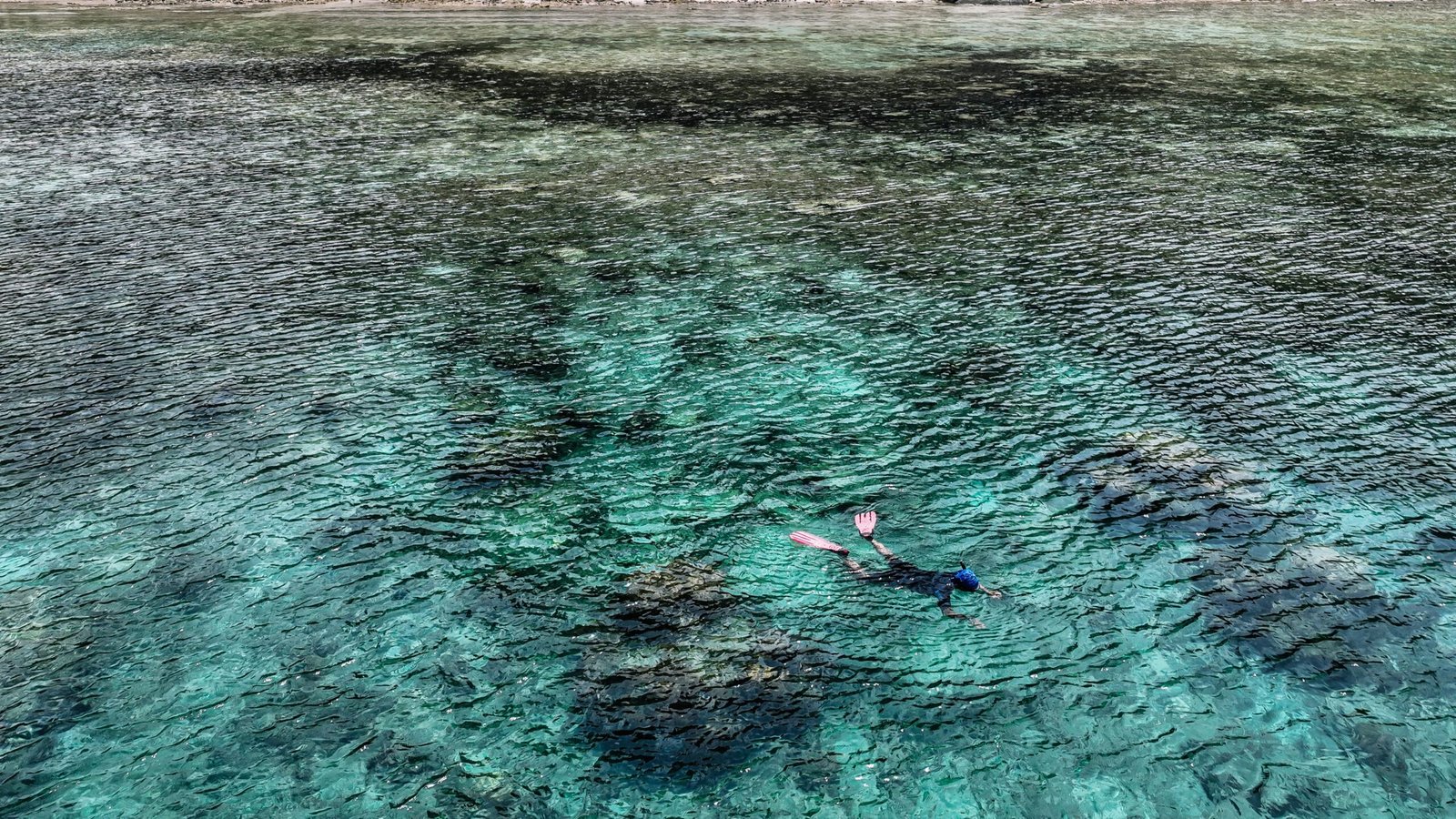
You do not need professional underwater equipment to capture simple snorkeling photographs. A waterproof smartphone case can be enough for casual travel images.
However, underwater photography requires different techniques.
Move slowly and avoid kicking up sand. Keep your fins away from coral and never touch the reef to position yourself for a photograph.
Additionally, pay attention to your surroundings instead of focusing entirely on your screen.
Your safety and the protection of marine life should always come first.
Use Reflections on Calm Water
The sea around Komodo can provide excellent opportunities for reflection photography.
When the surface remains relatively calm, you may capture reflections of islands, clouds, boats, or people.
Try lowering your camera slightly toward the water to include more of the reflection.
Nevertheless, do not worry if waves prevent a perfect reflection. Moving water can create its own interesting patterns and textures.
Capture the Journey Between Destinations
Some of the most memorable photographs happen between major attractions.
Photograph your boat leaving Labuan Bajo, the changing coastline, fellow passengers preparing for snorkeling, or an island appearing in the distance.
These images can help tell the story of your trip rather than simply documenting individual destinations.
Moreover, taking photographs during the journey gives you opportunities to experiment without feeling pressured to capture a specific “perfect shot.”
Use HDR When Appropriate
Many modern smartphones automatically use HDR to balance bright and dark areas within a photograph.
This feature can help when you photograph a person against a bright sky or a landscape with strong differences between sunlight and shadows.
However, check the result afterward. If the photograph looks unnatural, try using the standard camera mode.
Technology should support your composition rather than replace it.
Keep Editing Simple
You can improve your photographs using the editing tools already available on your phone.
Start with small adjustments to exposure, highlights, shadows, contrast, and saturation.
Avoid increasing every setting at once. Excessive editing can make natural landscapes appear artificial.
Komodo already provides strong colors, so subtle adjustments are often enough to enhance your images.
Prepare for Limited Connectivity
Your phone may also serve as your map, communication device, and camera. Therefore, download important information before leaving Labuan Bajo.
Mobile connectivity can become less reliable when you travel offshore, so do not depend entirely on cloud storage or online applications during your boat trip.
Save your Day trip Komodo itinerary, hotel information, important contacts, and maps offline.
If possible, back up your photographs whenever you have reliable internet access.
Bring a Power Bank
Photography, video recording, navigation, and mobile data can quickly drain a smartphone battery.
A power bank provides useful backup during a long day on the water.
Before leaving, fully charge both your phone and power bank.
Also keep your charging cable somewhere accessible rather than buried inside your main luggage.
Read Also: How Marine Conservation Helps Preserve Komodo’s Underwater Paradise
Check Your Itinerary for Photography Opportunities
Your route can influence the types of photographs you can capture.
Review your Komodo tour package before departure and identify destinations where you want to focus on landscapes, wildlife, snorkeling, or sunset photography.
For example, a viewpoint may require more time because of the hike, while a snorkeling location may require waterproof protection for your equipment.
Knowing what to expect allows you to prepare without carrying unnecessary accessories.
Be Considerate Around Other Travelers
Popular viewpoints can become busy. When taking photographs, avoid blocking paths or occupying a viewing area for too long.
If another traveler is waiting for a photograph, take your shot and give them space.
You can also look for alternative angles that allow you to create a good image without interfering with other visitors.
Good photography should not come at the expense of good travel etiquette.
Let the Experience Come First
Photography can help you preserve memories, but it should not prevent you from experiencing the destination.
Take your photographs, then put your phone away for a moment.
Watch the sunset without a screen. Look at the landscape around you. Listen to the water and observe the wildlife.
These moments often become more meaningful than any photograph.
Final Thoughts
Capturing amazing photos in Komodo National Park does not require professional camera gear. A smartphone or basic camera can produce impressive results when you understand how to work with natural light, composition, perspective, and timing.
Keep your lens clean, experiment with angles, use foreground elements, avoid excessive zoom, and take advantage of golden hour. At the same time, protect your equipment from water and always photograph wildlife from a respectful distance.
Before departure, review your Day trip Komodo itinerary, prepare enough storage and battery power, and download important information for offline use.
Most importantly, allow yourself to enjoy the destination beyond the camera screen. With simple preparation and a little creativity, your Komodo adventure can produce both beautiful photographs and unforgettable memories.